Mitsubishi Electric Mitsubishi Heavy Industries Mitsubishi Split System: Key Takeaways After reviewing the top 7 Mitsubishi air conditioner models for […]
For many Australians, air conditioners are a fundamental necessity rather than a luxury, as the nation continues to face record-breaking heatwaves and increasingly volatile weather patterns.
While air conditioning is already established in 75% of Australian homes, the market has reached a significant turning point in 2026.
Nearly 90% of new models hitting the shelves now have smart capability as a standard feature, reflecting a massive industry shift toward automation, energy management, and remote connectivity.
But what are smart air cons, and what are the best models already available in the Australia markets? Let’s find out.
A smart AC unit is essentially a traditional cooling system with a “digital brain.” It goes beyond a simple timer on a remote.
Smart systems combine traditional mechanical cooling (refrigerant cycles) with an electronic layer of intelligence. Sensors monitor room conditions 24/7, sending data to a micro-chip that adapts the compressor’s output. This connectivity allows the unit to communicate with other devices—such as smart speakers or thermostats—to create a unified home ecosystem.
| Feature | The Benefit (The “Pro”) | The Downside (The “Con”) |
| Running Costs | Can slash bills by 30% via smart scheduling. | Costs roughly $200–$400 more upfront. |
| Convenience | Total control via your phone from anywhere. | Needs a stable Wi-Fi connection to work. |
| Maintenance | Tells you exactly when the filter needs a wash. | Smart modules may go “out of date” before the motor. |
| Air Quality | Tracks pollutants and humidity in real-time. | Software glitches can occasionally reset settings. |
Buying the unit is only half the story. You also need to factor in the professional “sparky” and “fridgey” work required to get it running safely.
A standard “back-to-back” install (where the indoor and outdoor units sit on opposite sides of the same wall) usually costs between $600 and $1,000.
Pro Tip: If your switchboard is old, you might need an upgrade to handle the new power load, which can add another $300–$800 to the bill.
In Australia, it is illegal to install an air conditioner yourself. Not only does it void your warranty, but handling refrigerant gas without an ARC license is a serious environmental offence.
If you aren’t ready to drop $2,000 on a brand-new system, you can “hack” your current AC.
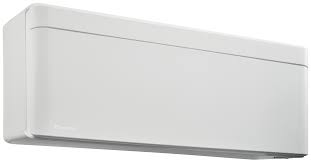
Best For: Style-conscious homeowners and modern living rooms.
The Daikin Zena smart air conditioner is built for those who hate the look of a giant plastic box ruining their home’s aesthetic. It solves the “ugly appliance” problem by coming in matte finishes like black wood, meaning it blends into your decor like a piece of furniture.
One of its main selling points is the “Intelligent Eye” sensor, which fixes the issue of wasted power by tracking movement. If you forget to turn it off before heading out, it shifts to energy-saving mode after 20 minutes, so that your bank account doesn’t drain for your forgetfulness.
Reason to Buy: Choose the Zena if you want a designer-look unit that is smart enough to turn itself off the moment you walk out the door.
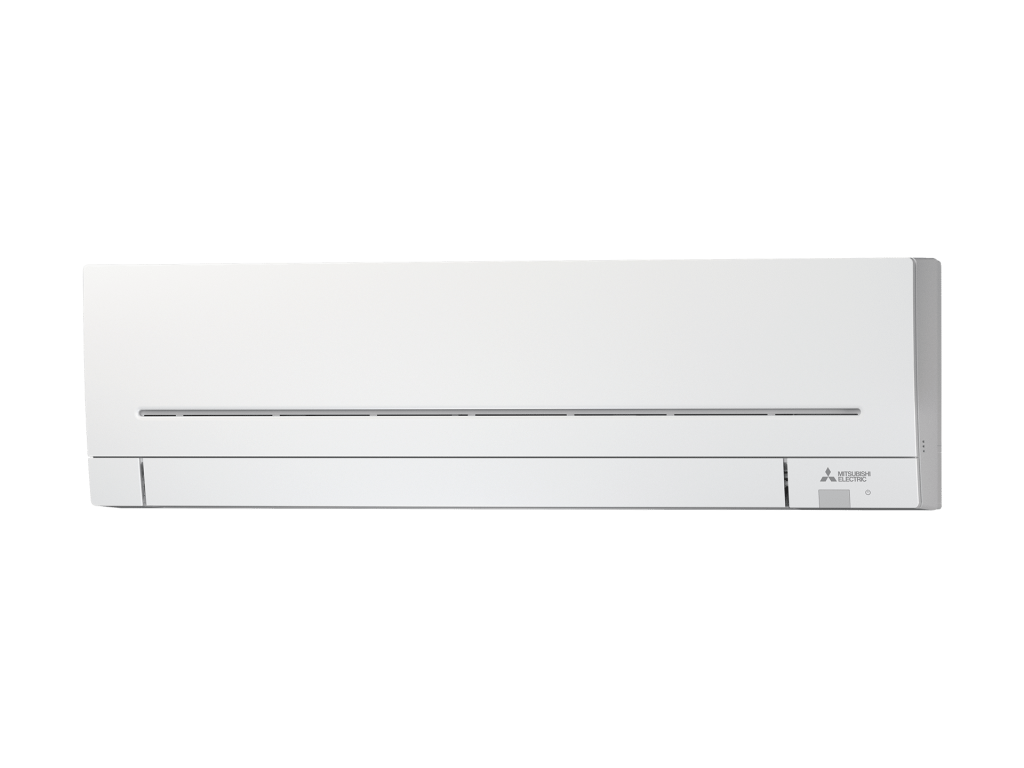
Best For: Quiet sleepers, nurseries, and home offices.
The MSZ-AP smart air conditioner solves the problem of “light sleepers” who are easily woken up by the hum and click of a standard AC.
Thanks to running at just 18 dB, this smart aircon is quieter than a library, meaning you can leave it on all night without it disturbing your rest.
It also handles the “dirty AC” problem with a Dual Barrier Coating, which prevents dust and greasy kitchen fumes from sticking to the internal fan, and the result is that your unit stays efficient and smells fresh for years.
Reason to Buy: This is the most reliable “set and forget” unit for bedrooms where silence and air purity are your absolute priorities.
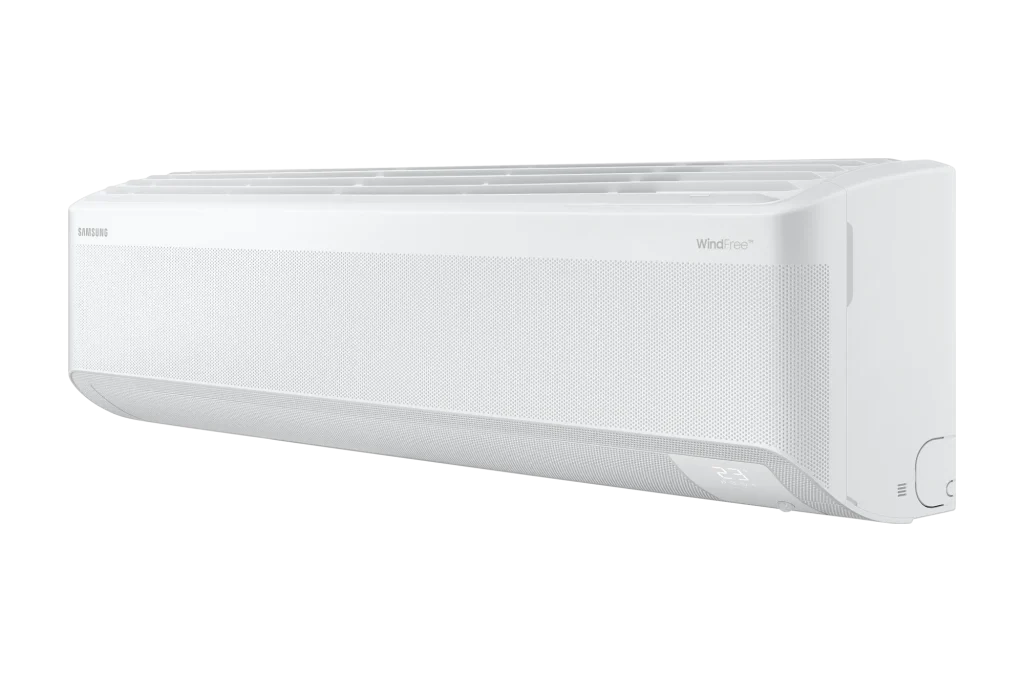
Best For: People sensitive to direct drafts and home offices.
Samsung’s smart AC finally solved the biggest complaint about AC: the “freezing wind” feeling.
The WindFree™ uses 23,000 micro-holes to disperse air, meaning the room stays cold but you never feel a breeze.
It’s the perfect fix for a home office where you want to stay cool without your paperwork blowing everywhere.
And since this best smart air conditioner integrates with SmartThings, it can even coordinate with your smart blinds to keep the sun out, so that your home stays naturally cooler.
Reason to Buy: Get the Samsung if you hate the feeling of air blowing on you and want a system that communicates with the rest of your smart home.
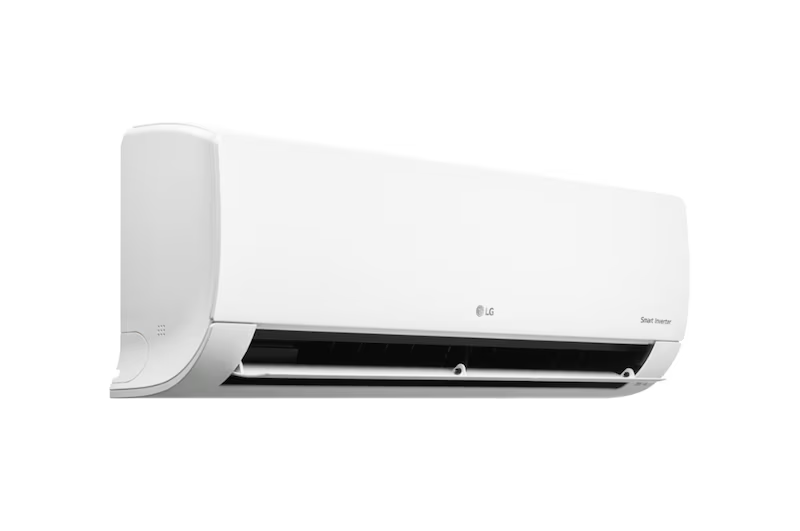
Best For: Busy families and people who hate maintenance.
The LG Eco-Smart is designed for people who have better things to do than clean air filters. It features a built-in Filter Clean Bot that automatically brushes the dust away, meaning the unit stays at peak efficiency without you ever touching a ladder.
It also uses a radar sensor to solve the “empty room” problem; if it doesn’t sense anyone for a while, it turns itself off, ensuring you never waste a cent on cooling an empty lounge room.
Reason to Buy: Choose the LG if you want the most automated experience possible and a unit that literally brushes its own filters clean.
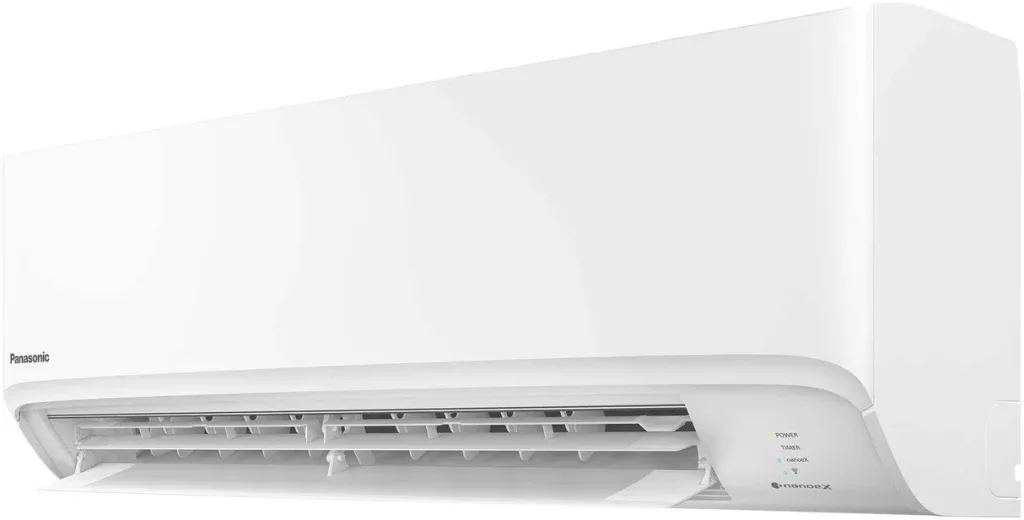
Best For: Allergy sufferers and asthma-prone households.
Panasonic smart aircon solves the “seasonal allergy” nightmare with its NanoeX Mark 3 technology. This system acts as a medical-grade air purifier even when the cooling is off, meaning it neutralizes pollen, pet dander, and odours 24/7.
It’s a lifesaver for anyone with hay fever, providing a safe haven from outdoor irritants. The geofencing feature in the app fixes the “I forgot to turn the AC off” problem by automatically shutting the unit down once your phone leaves the driveway.
Reason to Buy: This is the premier choice for families who need an air conditioner that doubles as a high-end medical-grade air purifier.
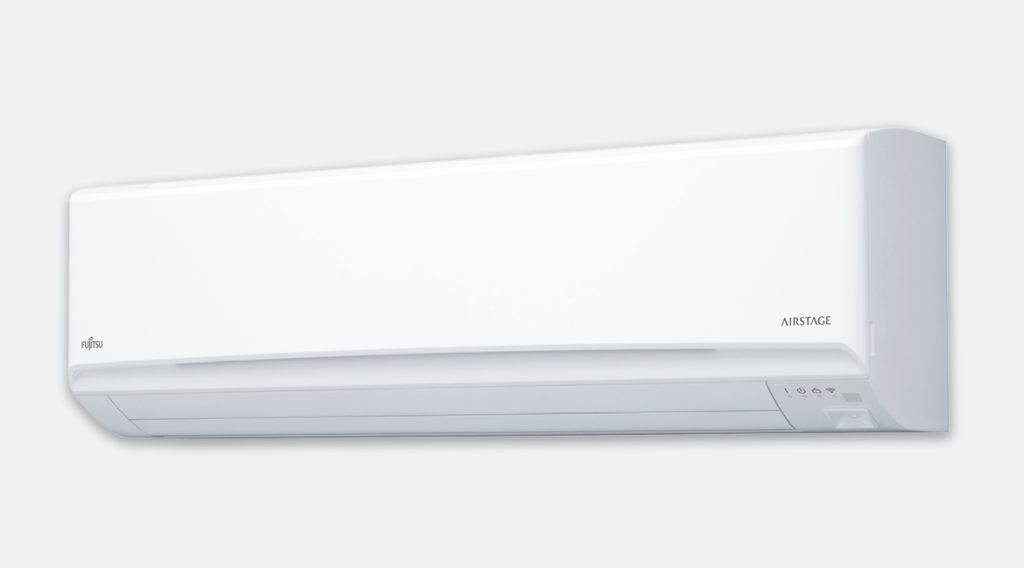
Best For: Southern states and high-performance heating.
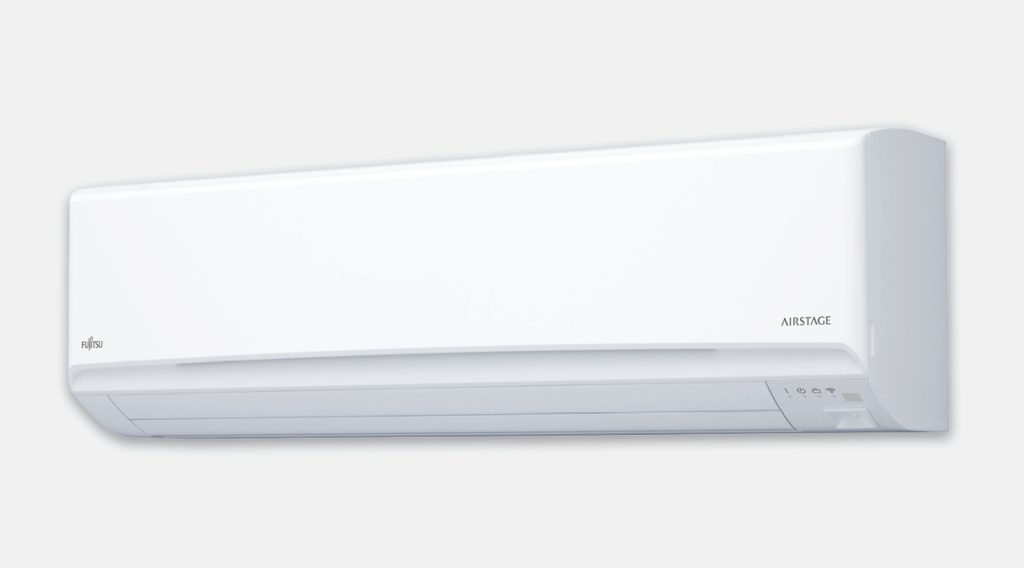
Fujitsu’s smart air conditioner in Australia solves the “winter chill” problem better than almost anyone. Their units are famous for being powerful heaters, meaning they won’t freeze up and stop working when the temperature drops in Melbourne or Canberra.
The Human Sensor handles the problem of empty-room waste by automatically lowering the power output when you leave the area, so that your electricity bill stays manageable even during a cold snap.
Reason to Buy: Get the Fujitsu if you live in a cold climate and need a tough, high-performance heater that won’t struggle when the temp drops below zero.
Best For: First-home buyers and high-tech on a budget.
Midea tackles the “budget vs. features” struggle by offering high-end tech without the premium price tag.
The S-Wing side outlets fix the problem of air only blowing in one direction; they wrap the breeze around the room in 3D, meaning the entire space feels refreshed at once.
It also tackles the “slow start” issue with Flash Cooling, which drops the vent temp in just six seconds, providing immediate relief the moment you walk in on a scorching day.
Reason to Buy: This is the best value choice if you want modern smart features and “breezeless” comfort without paying for a big-name brand.
Best For: Australian families and homes in areas with extreme temperature swings.
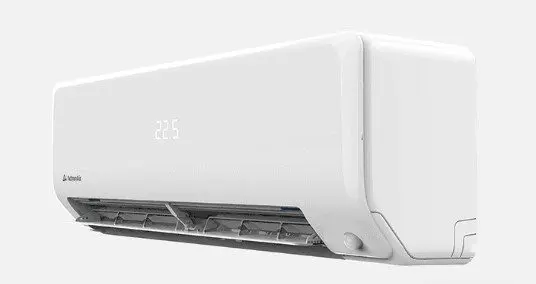
The ActronAir Serene Series 2 is a standout because it is designed and engineered in Australia to handle extreme local conditions. It solves the common problem of imported units struggling when the mercury hits 45°C, meaning you get a system that won’t cut out when you need it most. It’s a rugged, high-performance split system that balances sleek looks with a “Series 2” motor that is both quieter and more powerful than previous models.
Reason to Buy: Choose the ActronAir Serene if you want a system designed locally to handle the absolute worst of the Australian weather without breaking a sweat.
A smart air conditioner in Australia is as simple as a normal AC, but with added digital capabilities. It can connect to your smart devices like mobiles, tablets, or anything else connected to the same internet and be used remotely.
Additionally, it can track data for you so you know how and when you are using your AC, how much power it consume and how to save. Finally, a smart AC in Australia can detect when you are at home and away. This lets it adjust its operation accordingly to avoid energy wastage.
In simple terms, a smart AC connects to the internet, but a normal AC cannot. This connectivity changes how you can use the two, with the smart one letting you operate it even remotely.
The “normal” AC is pretty dumb; it only does what the plastic remote tells it to do when you’re standing right in front of it. If you leave the house and forget to turn it off, it just keeps chugging along.
Don’t just look at the remote. Check the indoor unit for a Wi-Fi symbol or a QR code on the side. Most smart units also have a dedicated “Wi-Fi” light on the front panel that blinks when it’s trying to connect.
If you’re still not sure, open your phone’s Wi-Fi settings while the unit is on; if you see a network name like “DAIKIN_AC” or “LG_Smart_AC” pop up, you’re in luck.
It’s usually a three-step dance.
First, download the brand’s app—like LG ThinQ or Daikin’s mobile controller.
Next, you’ll need to put the unit in “pairing mode,” which usually means holding a specific button on the remote (often “Mode” or “Wi-Fi”) until a light starts blinking on the wall.
Finally, just follow the app’s prompts to link it to your home Wi-Fi. Just remember: most only work on 2.4GHz Wi-Fi, not the faster 5GHz stuff.
A standard inverter is just a mechanical feature. It slows the motor down instead of slamming it on and off. It’s all about saving power.
A smart inverter is the software that talks to that motor. It lets the unit “think” about the most efficient way to cool the room based on your habits and the weather outside, then shows you exactly what that’s costing you in the app.
Yes, and you don’t even need a technician. You just grab a smart controller like a Sensibo or a Cielo.
It’s a little puck that plugs into a wall outlet and mimics your remote’s infrared signals. It gives a 10-year-old unit about 90% of the features of a brand-new 2026 model for about $150.
Make sure your Wi-Fi signal actually reaches the AC unit first (thick walls can be a pain). Open the brand’s app, create an account, and hit “Add Device.”
You’ll usually point your remote at the AC and hold a button to trigger the “handshake.” Once the app “detects” the AC, you just name the room, and you’re good to go.
Mitsubishi Electric Mitsubishi Heavy Industries Mitsubishi Split System: Key Takeaways After reviewing the top 7 Mitsubishi air conditioner models for […]

Designing a home climate system is an exercise in precision. When we talk about installing a new air conditioner, we […]

Normal Range: $1,850 – $30,000 Air conditioning and climate control service costs in Australia depend heavily on your specific project, […]

Cheap air conditioning quotes have a strange pull. You see a low number and feel relief straight away. With summers […]





Our energy efficiency experts are here to answer all your questions and guide you through the products, rebates, and installation process.

Upgrade now, pay later with