Home batteries are becoming an increasingly common part of Australian households. When paired with solar, they help you store excess […]

Batteries for solar energy used to feel like a luxury.
Expensive, complicated, and not worth the hassle for many homeowners. But things are changing.
The Cheaper Home Batteries Program is making it easier to get a battery system at a lower cost, roughly a 30% upfront discount. Suddenly, storing your own solar energy doesn’t feel impossible.
This article explains exactly what makes a battery eligible, gives examples of batteries that qualify, and shows how you can claim the rebate in a clear, step-by-step way.
If you’re thinking about buying a battery, the first thing you need to know is whether it actually qualifies. Not all batteries are eligible. Here’s the detailed breakdown of the rules.
Only batteries paired with new or existing solar PV systems qualify. Standalone batteries or batteries for electric vehicles are excluded.
The program is designed to store self-generated solar energy, helping you use more of your own electricity and rely less on the grid. If you don’t already have solar, you’ll need to install panels alongside the battery to qualify.
Eligible batteries need a nominal capacity between 5 kWh and 100 kWh.
The rebate applies to the first 50 kWh of usable capacity. That’s the amount of energy you can actually use. Batteries smaller than 5 kWh store too little energy to make a meaningful impact.
Systems over 100 kWh are considered commercial and aren’t included in the household rebate program.
To guarantee safety and performance, the battery and inverter must be on the Clean Energy Council (CEC) approved products list.
This ensures they meet Australian standards for safety, reliability, and efficiency. Using an unapproved system can disqualify you from the rebate and might even be unsafe.
Only a Solar Accreditation Australia (SAA)‑accredited installer can install a rebate-eligible battery.
Accredited installers handle the paperwork, ensure a safe connection to your solar system, and configure the battery for optimal performance. DIY or unaccredited installation will void your rebate eligibility.
On-grid batteries must be capable of connecting to a Virtual Power Plant (VPP).
You don’t have to join a VPP, but the system must be technically compatible.
VPPs allow batteries to work together to support the grid during peak demand. VPP-capable systems meet the technical standards required for the rebate.
Rebates only apply to new battery systems or additional capacity added to existing systems that haven’t previously received the rebate.
Older systems or batteries that have already benefited from other subsidies aren’t eligible. The goal is to encourage new uptake of energy storage.
Batteries must be installed on or after 1 July 2025. This ensures the rebate targets modern, up-to-date systems that meet current safety and performance standards.
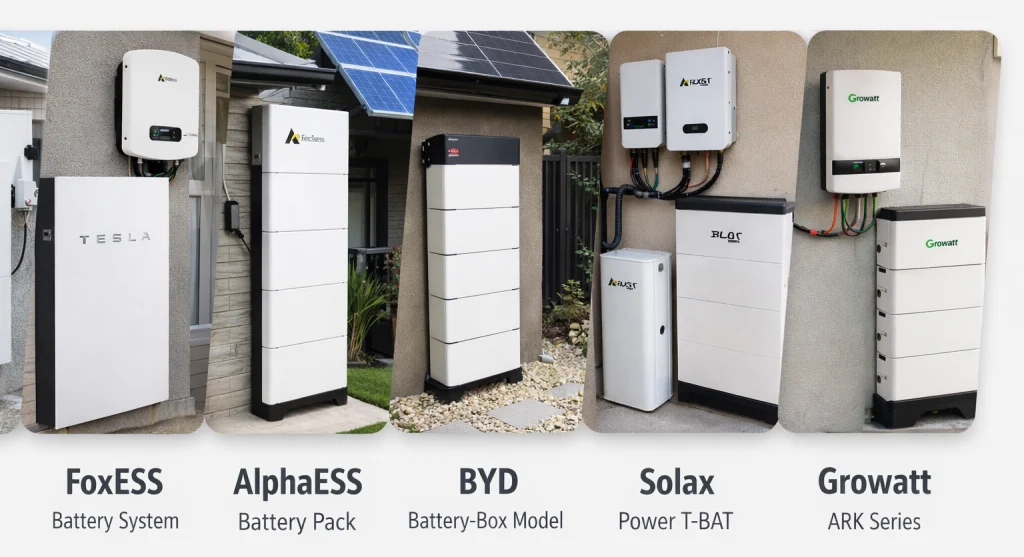
Let’s look at some real-world examples. These are commonly installed in Australia and generally meet all the eligibility criteria:
Keep in mind: The CEC-approved list is updated regularly, so always verify the exact model before you commit.
Getting the rebate might sound complicated, but it doesn’t have to be. Let’s walk through the steps in detail, so you can feel confident and prepared.
Before you start calling installers, make sure your setup qualifies.
The battery must be paired with a solar system, and both the battery and the inverter must appear on the Clean Energy Council-approved list.
It’s also worth checking your property’s history.
If your home has already received a federal battery rebate, you won’t qualify again. Knowing this upfront saves time and avoids unnecessary quotes.
Think of it as doing a quick “pre-flight check” before you go further; it ensures that all your paperwork will line up when you eventually apply for the rebate.
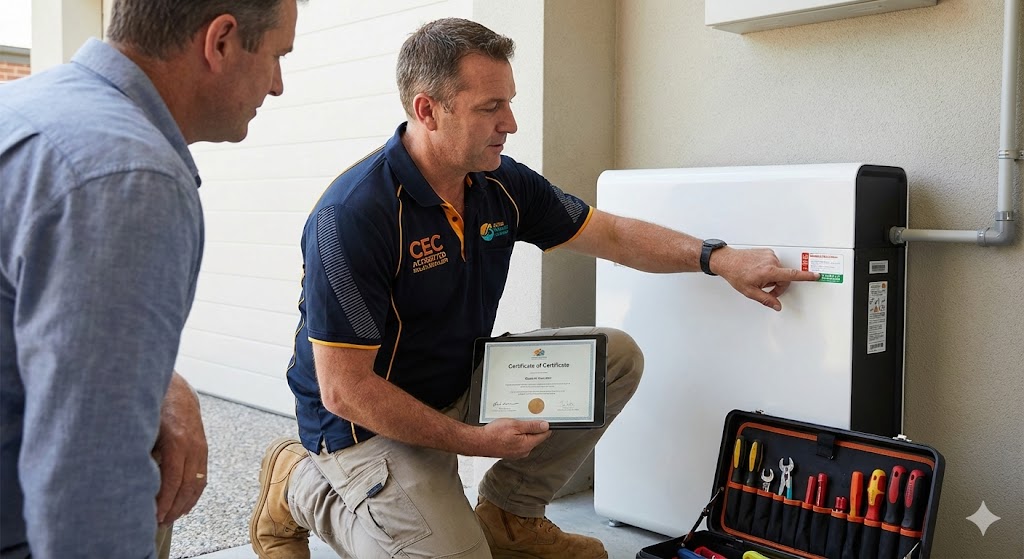
The installer you pick can make or break the process.
Only Clean Energy Council (CEC)‑accredited installers can install a rebate-eligible battery and process the Small-scale Technology Certificates (STCs) required for the discount.
It pays to ask installers about their experience with the rebate program. Some have installed dozens of systems and know how to streamline the process.
Others may be newer to the program, which could mean delays or mistakes. Choosing an experienced installer not only helps secure the rebate but ensures your battery is installed safely and correctly.
Don’t settle for the first number you see. Ask at least two or three installers for a quote. Make sure each quote clearly shows the total cost before the rebate, the discount being applied, and the exact battery model.
This step is about comparison and clarity. Different installers may quote the same battery at different prices, or include extra features like smart monitoring or extended warranties.
By comparing quotes carefully, you can make an informed choice and avoid overpaying.
Think of it as “shopping smart”. The lowest price isn’t always the best value if the installer is inexperienced.
Most installers handle the rebate by applying it directly to your quote.
They create the STCs for your battery and deduct their value from the cost upfront. This approach is convenient because you pay less at installation and don’t need to worry about selling certificates yourself.
It also ensures there are no delays.
Some homeowners who try to claim rebates independently end up waiting weeks or months to get their money. With the installer managing the STCs, you get the discount immediately, and the process is much smoother.
If you prefer maximum control, you can opt to claim the rebate yourself.
This involves registering the battery system in the REC Registry and selling the Small-scale Technology Certificates directly.
Doing it yourself can sometimes yield slightly higher financial returns, but it requires attention to detail and some paperwork.
You’ll need to follow the registration process carefully and ensure all system details match the requirements.
This option is best for homeowners comfortable with administrative tasks or those who want complete oversight of the rebate process.
Many states offer additional incentives for battery systems.
Some provide extra rebates, interest-free loans, or discounts on installation costs. By stacking these incentives with the federal rebate, your overall out-of-pocket cost could drop significantly.
Before committing, check the terms carefully. Some state incentives may require specific battery brands, sizes, or installation methods.
Combining incentives can be powerful, but only if you follow the rules. Think of it like layering discounts at a store.
It works best when you know all the conditions in advance.
This rebate is a real opportunity for homeowners. It reduces the upfront cost, allows you to store your solar energy, and could lower your electricity bills over time.
Take your time to compare batteries, installers, and quotes. Make sure everything from the battery model to the installer meets the program requirements. Follow the steps we’ve outlined, and you’ll be well on your way to owning a battery system that works for your home and your wallet.
A battery between 5kWh and 100kWh that’s hooked up to solar. It needs to be on the CEC-approved list and put in by an accredited pro. If you’re on the grid, it also has to be VPP-capable to count.
Yes, you do. The battery has to be connected to either a new or an existing rooftop solar setup to qualify for the program. No solar, no rebate!
The models on the Clean Energy Council’s approved list will work. Make sure you double-check that list before buying anything.
Yes, it does. To get the federal rebate, the battery has to be installed and signed off on or after July 1, 2025. If you put it in before that, you won’t qualify. Just a heads-up, the rebate amount actually drops on May 1, 2026, so you’ll get more money back if you get it done before then.
Any household, small business, or community group can get it. The key is ensuring that they meet the basic eligibility rules as guided here.
Usually, no. Most installers just handle the paperwork and give you the discount upfront. If you don’t give them the rights, you’d have to claim it yourself through the REC Registry.
It’s strictly one rebate per property under this federal program.
Yes, as long as you’re adding at least 5kWh of new capacity and that part of the system hasn’t been subsidised before, you’re good.
No. It has to be a permanent install. Portable power stations or EV batteries don’t qualify for the battery rebates in AU.
Home batteries are becoming an increasingly common part of Australian households. When paired with solar, they help you store excess […]
Air conditioning rebates in New South Wales are often misunderstood. Many people assume they work like traditional government grants: apply, […]
Managing the heat in New South Wales can be a struggle, especially when power bills start to rise. Air conditioning […]
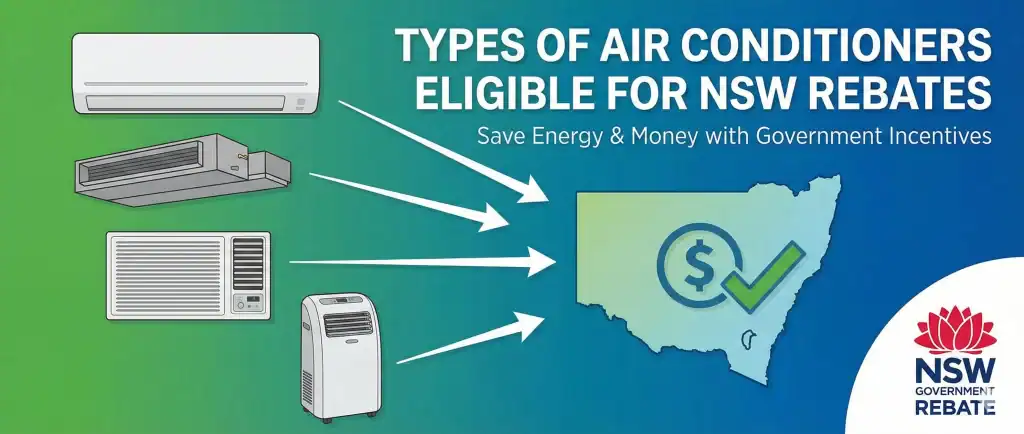
Electricity prices across NSW have been rising, with some households seeing bill increases of up to 9.7%. Most people feel […]



Our energy efficiency experts are here to answer all your questions and guide you through the products, rebates, and installation process.

Upgrade now, pay later with