
Quick Answer Yes, instant water heaters are safe when installed and used properly. Modern ones come with pre-installed safety features […]
Hot water feels simple. You turn the tap and expect warmth, every time. But behind that moment is a system doing heavy work.
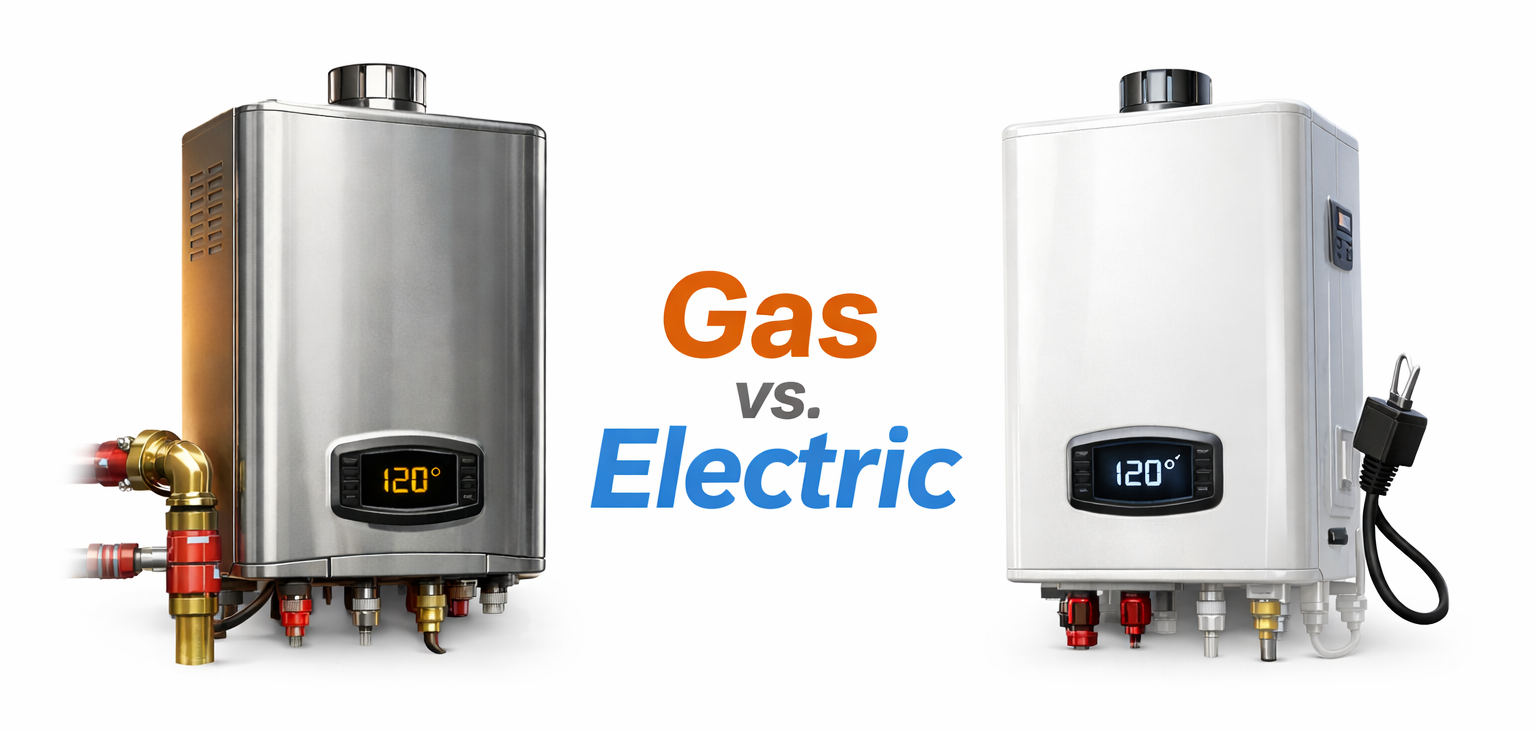
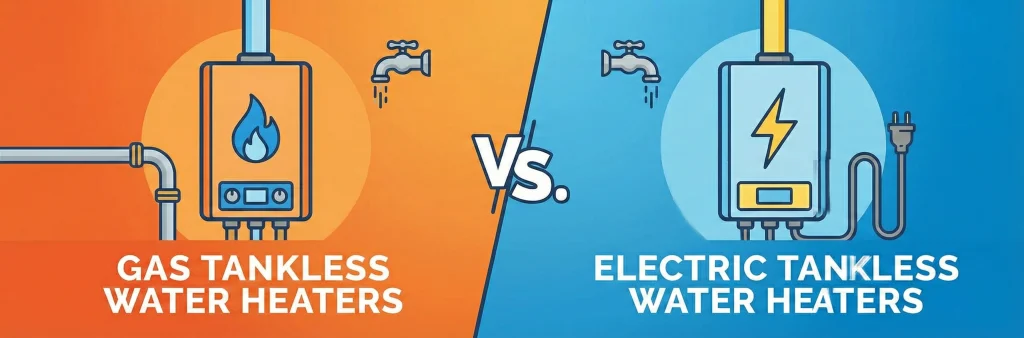
If you’re choosing between a gas or electric tankless water heater, the decision can feel bigger than expected. Both promise endless hot water. Both save space. Yet they behave very differently once installed.
This guide breaks down the difference clearly. No sales talk. No filler. Just what matters for your home, your habits, and your long-term costs.
Gas tankless systems need more planning upfront. They rely on fuel combustion, which means proper venting is required. Exhaust gases must leave the home safely. In many houses, vent pipes need resizing or replacement.
Gas line capacity also matters. Some homes cannot deliver enough fuel without upgrades.
Electric tankless systems avoid combustion entirely. No venting is required. That simplifies placement. The tradeoff is electrical demand. These units pull high amperage and often need dedicated breakers.
Older electrical panels may need upgrades before installation can move forward. Retrofits often favour electric systems. New builds can support either with proper planning.
Electric tankless heaters convert nearly all incoming electricity into heat. Very little energy is lost. That efficiency stays steady during operation.
Gas tankless systems vary more. Standard units lose some heat through exhaust. Condensing models recover part of that heat, improving performance, though at a higher upfront cost.
Incoming water temperature affects both. Colder water demands more energy. Electric units feel that strain sooner than gas systems.
Gas tankless heaters handle higher flow rates. Multiple showers, sinks, and appliances can run at the same time with little temperature drop.
Electric systems perform best under lighter loads. One shower is fine.
Two at once may stretch limits unless the unit is large and the electrical supply is strong. In colder regions, output differences become more noticeable.
Fuel prices shape long-term cost more than efficiency ratings alone. In areas with affordable natural gas, gas tankless heaters often cost less to operate over time.
Electricity prices vary widely. In regions with higher rates, operating costs can climb quickly, especially for larger households. Seasonal demand matters too. Winter increases energy use for both systems.
Gas tankless systems need routine service. Burners, vents, and heat exchangers require inspection. Annual flushing helps control scale buildup.
Electric systems have fewer moving parts. Maintenance is simpler, though flushing still matters in hard water areas. Both systems often last longer than traditional tank heaters. Electric units tend to edge ahead in lifespan due to a simpler design.
Gas systems stay steady under peak demand. They recover quickly and maintain temperature well. Electric systems perform consistently under light to moderate use.
Weak electrical supply or overloaded panels can affect output. Poor water quality impacts both. Scale buildup reduces efficiency and shortens service life.
Gas systems involve combustion. That requires proper ventilation and regular inspection. Correct installation reduces risk. Electric systems avoid combustion completely. No exhaust gases.
No gas leaks. Electrical safety depends on proper wiring and panel capacity.
Environmental impact varies by energy source. Gas produces direct emissions. Electric systems shift emissions to power generation, which differs by region.
This is where most decisions should start. Hot water demand isn’t just about how many people live in the home. It’s about how they use water.
A family that showers at different times may need less capacity than a smaller household that runs appliances and showers together. Gas systems handle overlapping demand with ease. Electric systems prefer spacing. Morning routines often reveal real needs. Pay attention to those patterns.
Existing utilities matter more than specs. Homes already connected to natural gas have a clear advantage with gas tankless systems. The supply is there.
Homes without gas face higher setup costs to add it. Electric systems depend on electrical capacity instead. Some homes are ready. Others need panel upgrades.
Infrastructure readiness often decides the outcome before performance does.
Space shapes options quickly. Gas tankless units need room for venting and safe exhaust paths. Walls, ceilings, and roof access all come into play. Electric units fit into tighter spaces. Closets. Utility rooms. Even near fixtures for point-of-use setups. Limited space often pushes the decision toward electric.
Electric systems usually cost less to buy and install. That helps with short-term budgets.
Gas systems cost more upfront. Venting, gas line work, and labour add up. Over time, fuel savings may balance that difference, depending on local pricing. Short-term savings and long-term costs don’t always align.
Cold regions demand more heating effort. That affects output and energy use daily. Gas systems handle larger temperature rises with less strain.
Electric systems perform best where groundwater temperatures stay moderate. Climate also affects sizing. Undersized units struggle quickly in cold areas.
Frequent power outages change the equation. Electric systems stop immediately without electricity. Some gas systems may continue operating, depending on design. Utility pricing trends matter too. Stable energy costs make long-term planning easier.
Homes evolve. Families grow. Extra bathrooms appear. Guests stay longer. Gas systems offer more room for growth. Electric systems work best when future demand stays close to current use. Planning ahead prevents early replacement.
Gas and electric tankless water heaters solve the same problem in different ways. Gas favours volume and strength.
Electric favours simplicity and efficiency.
The right choice depends on demand, infrastructure, climate, and long-term costs. Look closely at how your household actually uses hot water. Once those pieces are clear, the decision usually is too.
That depends on how busy your house gets. If it’s just one shower running at a time, the electricity usually keeps up. No drama. But add a second shower. Or laundry. Or dishes. That’s where gas feels calmer. It keeps the water hot without sudden drops. You notice the difference fast.
Yes, and it’s one of their biggest perks. They’re small. Clean-looking. Easy to mount. Gas units need more room. You’ll also need venting, which limits placement. If space is tight, electric often feels simpler from day one.
Sometimes. But it’s tricky. Electric units have limits on how much hot water they can push at once. Gas models handle higher flow with less effort. If several people use hot water at the same time, the gas feels less stressed. And so do you.
Gas units usually cost more upfront. You’re paying for the heater, gas lines, and venting.
Electric models are easier to set up in many homes. Still, some houses need electrical upgrades, so it’s worth checking before buying either one.
Cold water coming in makes a big difference. Gas heats fast and keeps pace, even when the ground temperature drops. Electric heaters still work, but they can struggle during heavy use in cold seasons. If winters are long, gas tends to feel more
Electric units are easier to maintain because they lack the complex gas lines, burners, and venting systems found in gas units. Flush the unit every 6 months for hard water or 12 months for soft water to prevent mineral buildup. While gas units require extra checks for combustion and exhaust, both systems will last for years with regular care.
It depends on the size of the unit and your household’s needs. Small electric models might struggle if a shower, dishwasher, and laundry run at the same time. Gas heaters handle multiple appliances better, delivering consistent hot water without sudden drops.
Quick Answer Yes, instant water heaters are safe when installed and used properly. Modern ones come with pre-installed safety features […]
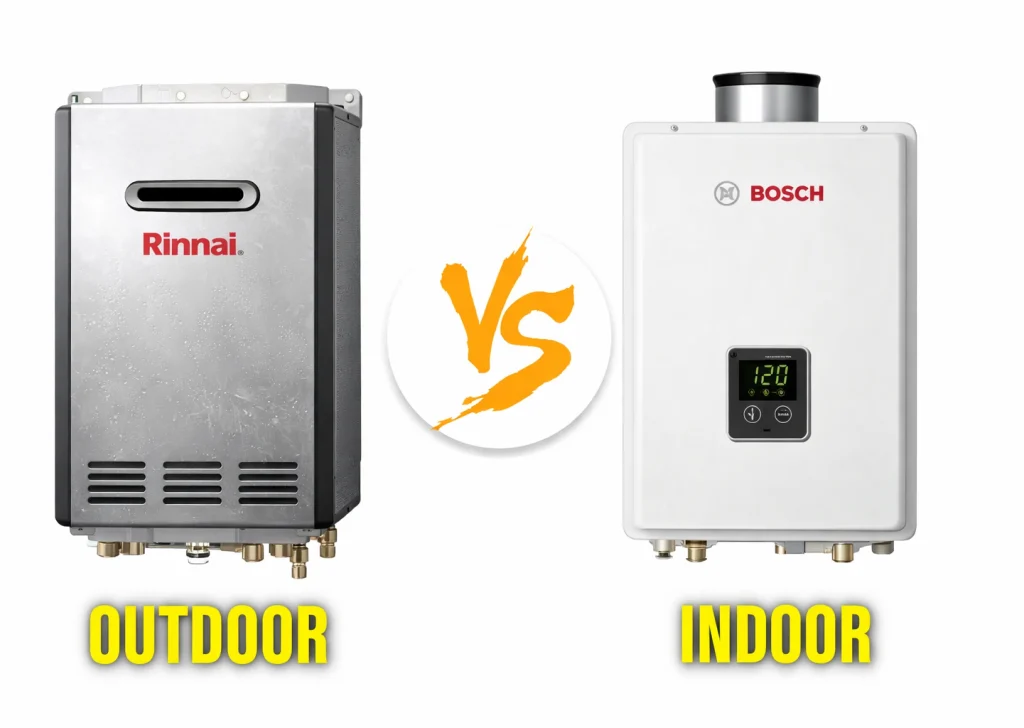
Quick answer The difference between indoor and outdoor tankless water heater setups comes down to placement and protection. Indoor units […]
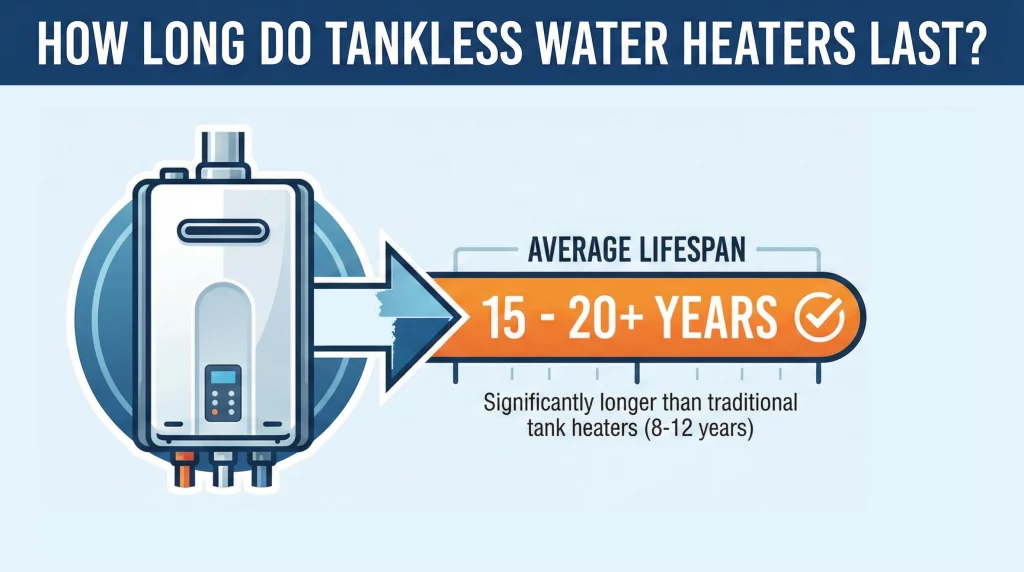
Quick Answer The average life expectancy of a tankless water heater falls anywhere between 15 and 20 years, and often […]
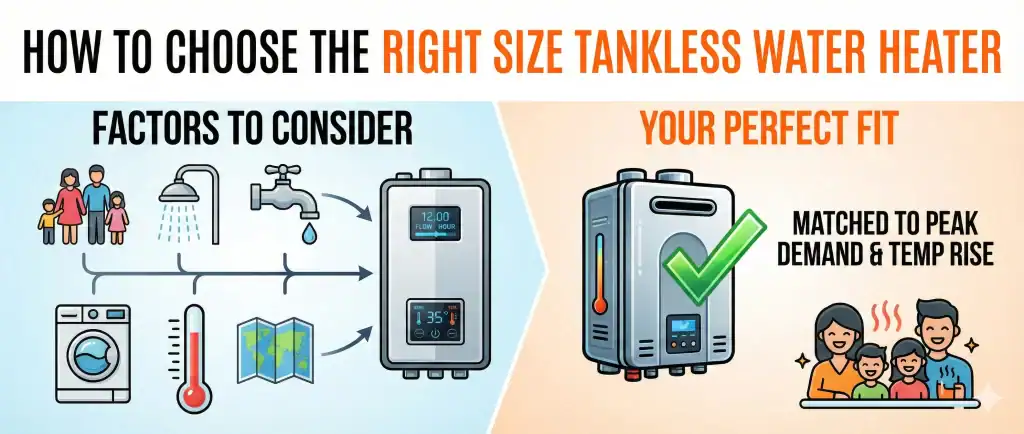
Quick Answer: Continuous flow (tankless) water heaters are now the standard choice for modern Australian homes. They offer the luxury […]




Our energy efficiency experts are here to answer all your questions and guide you through the products, rebates, and installation process.

Upgrade now, pay later with