
Quick Answer Yes, instant water heaters are safe when installed and used properly. Modern ones come with pre-installed safety features […]

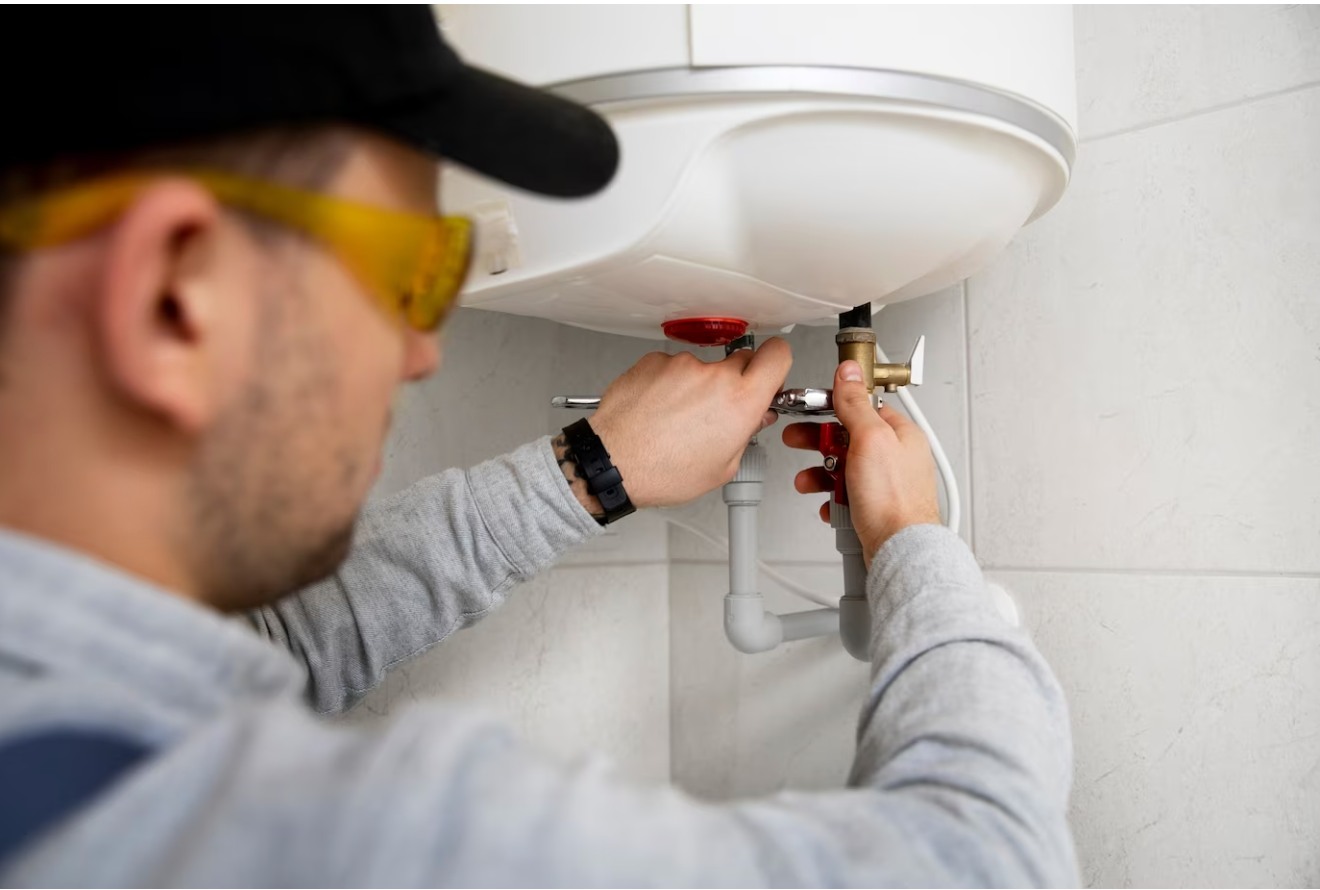
Are you looking for a cost-effective way to heat your house during winter?
Installing a hot water electric heater is an easy and convenient alternative to heating your home instead of using an expensive gas furnace.
Most electric heaters are low-cost and easy to install, and don’t require special skills to set up.
This article will provide a step-by-step guide on how to successfully install a hot water electric heater at home.
Before you buy an electric water heater, you should first plan the installation work. Ideally, you should identify a location that is near a source of power and convenient to install this equipment.
The next step is to decide how much space you need for this project.
If your electric water heater requires a lot of space, this will require a larger investment.
You can buy an extension cable for the device if it makes the installation process practical. For smaller systems, you don’t need to buy an extra cable.
After buying the water heater, the next step is to unpack all of your materials and tools and to place them in an area where you can easily locate them.
Gather all the materials and tools you need for the installation, including a screwdriver, wrenches, a wood saw, screws, nails, and other items, such as a level that will help you make sure your water heater is perfectly level.
The third step is to turn off the electricity supply to the area where you are planning to install the hot water electric heater.
You should know where the circuit breaker is and turn it off using a screwdriver or an adjustable wrench. You can then proceed with the installation of your system.
Once the electricity supply has been turned off, you can loosen any connections on your pipes and washing machine that are located in that area.
Make sure that the pipes are loose enough to be easily removed. However, you should avoid removing any pipe connections that lead to your hot water boiler or washing machine.
Next, you should drain the tank of any water that might be inside it. This is a very important step because otherwise, you may get electrocuted.
To drain the water inside the tank, open the drain valve to allow any remaining water to be drained out. Then, proceed to carefully remove the old water heater.
Before connecting the hot water electric heater to the water supply and to the drain lines, it is important to prepare the plumbing lines. This will involve cutting the pipes to the required sizes and connecting the pipes and the fittings.
It is important to use the proper type of pipe and fittings for the specific type of heater and water supply.
You should only use a pipe wrench or a t-shape pipe wrench for this step, as other wrench types may cause damage to the pipes. Once completed, you should clean the area of any dirt and debris.
Next, you should install the T&P valve. The T&P valve is a critical part of your water heater because it regulates the pressure inside the tank.
This valve is important to ensure that the system does not burst or leak. You can easily install a T&P valve yourself by following the instructions found in the instruction manual.
It is important to install the mounting bracket before you connect the water heater to the existing piping network. This will ensure that it is properly and firmly connected to your pipes.
The electric water heater should be mounted on a bracket that is securely attached to the wall. The bracket should be positioned at a height that will allow easy access to the heater’s controls and connections.
Once you have mounted the bracket, you can run the electric wires and conduit. This step is critical and should be done with attention because if the water heater loses power, it will not function.
The electrical wire and conduit should be properly configured so that they can handle any heat that is emitted from the water heater. You can buy special purpose conduit tubing that will come in handy for this project.
With the electric water heater securely mounted in place, you can now connect the water and electrical connections.
The cold water inlet pipe should be connected to the inlet valve on the water heater, and the hot water outlet pipe should be connected to the outlet valve.
The electrical wire should be connected to the terminals on the water heater.
The last step is to turn on the electricity supply and test the water heater. Once this step is completed s, allow the heater some time to heat up the water before proceeding to use it as needed.
Installing a hot water electric heater can be a relatively straightforward process, but it’s important to pay attention to proper safety precautions and to have a basic understanding of electrical systems before attempting the installation.
It is also advisable to seek the help of a professional for this process.
Quick Answer Yes, instant water heaters are safe when installed and used properly. Modern ones come with pre-installed safety features […]
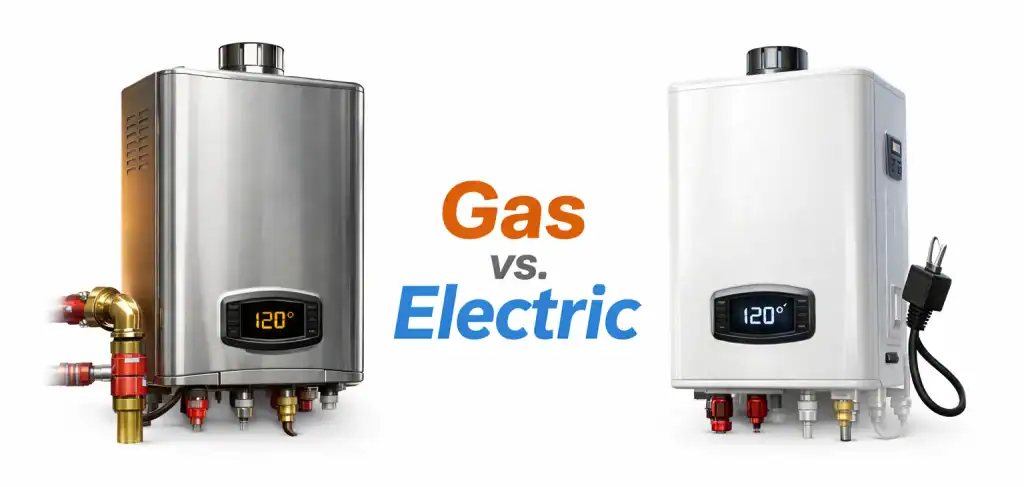
Hot water feels simple. You turn the tap and expect warmth, every time. But behind that moment is a system […]
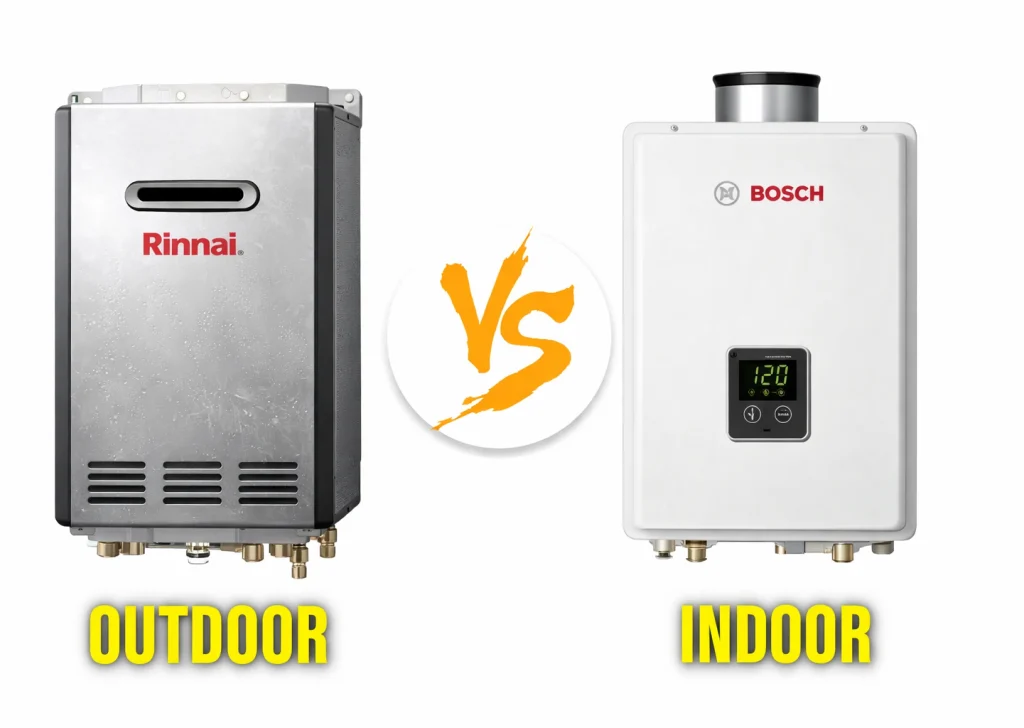
Quick answer The difference between indoor and outdoor tankless water heater setups comes down to placement and protection. Indoor units […]
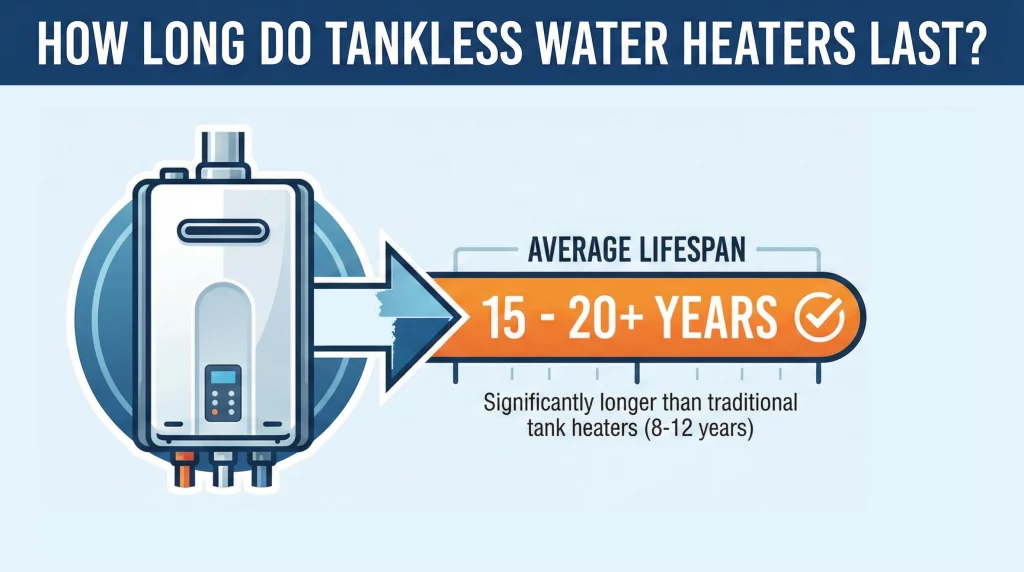
Quick Answer The average life expectancy of a tankless water heater falls anywhere between 15 and 20 years, and often […]

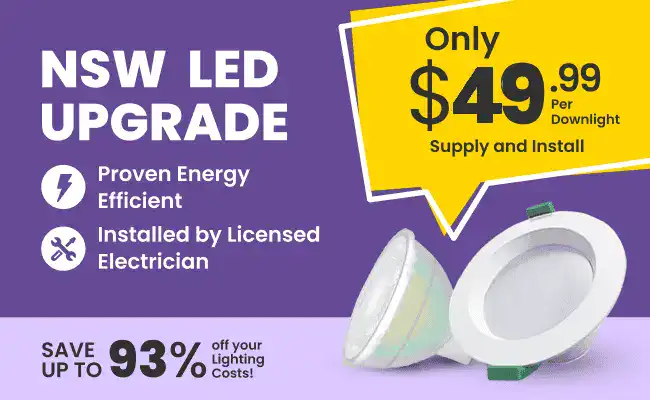







Our energy efficiency experts are here to answer all your questions and guide you through the products, rebates, and installation process.

Upgrade now and pay later with the Home Energy Saver Program!