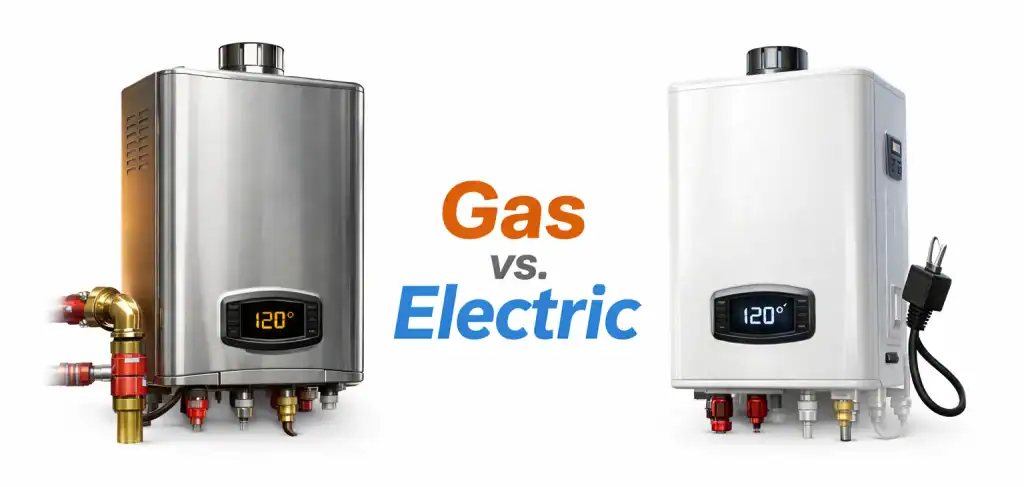
Hot water feels simple. You turn the tap and expect warmth, every time. But behind that moment is a system […]
Quick Answer
Yes, instant water heaters are safe when installed and used properly. Modern ones come with pre-installed safety features meant to reduce risk. The overall safety depends on professional installation, correct electrical or gas setup, compatible water pressure, and strict adherence to manufacturer and local safety guidelines.
Most of us have stood in the shower and stared at that little plastic box on the wall, wondering if mixing high-voltage electricity and a face full of water is actually a good idea.
It feels like you’re tempting fate. You’re basically standing under a high-powered appliance while soaking wet, and that “zap” anxiety is hard to shake.
But the reality is that these units are usually safer than the old-school tanks hidden in your attic.
They aren’t just heaters; they are boxes filled with “what-if” sensors designed to kill the power before anything goes wrong. The danger isn’t the technology, it’s the shortcut taken during installation.
If you’ve ever wondered if you’re actually safe or just lucky, here is the breakdown of how these machines keep you from becoming a victim.
Most people don’t realise how much testing these units go through before they hit the shelves. Modern instant water heaters are engineered to meet strict international safety standards.
If you see a certification mark like UL, CE, or a local safety seal, it means that the device has survived tests that would destroy a cheaper, unregulated product.
These machines are built for the grind of daily life. They handle high-pressure water and heavy electrical loads thousands of times a year. The engineering is sound.
Usually, the only time “safe” daily use becomes a problem is when the environment changes, like if your home’s wiring starts to fail or if you’ve ignored the unit for over ten years without a single check-up.
This is the single biggest danger. An instant heater is not a “DIY weekend project.” These units pull a huge amount of current. If you use wiring that is too thin, it will get hot.
Not “warm,” but hot enough to melt the insulation and start a fire inside your walls. If you don’t have a dedicated circuit, you’re asking your breaker to do things it wasn’t meant to do.
Electricity is always looking for the easiest way to the ground. If your heater has an internal fault and your house isn’t grounded properly, that path to the ground could be through the water, and through you.
Proper grounding is the silent hero of bathroom safety. Without it, you’re missing your most important safety net.
It is tempting to grab a cheap unit from a random online seller. Don’t. Those units often skip the expensive safety components like high-grade thermostats or built-in leakage sensors.
Saving fifty bucks on the purchase could end up costing you a lot more in repairs or, worse, an accident.
Water heaters are surprisingly picky. If your pressure is too high, it can crack the internal heat exchanger.
If it’s too low, the water might not move fast enough to pull the heat away from the element. This leads to overheating and can eventually cause the whole unit to fail or even melt internal parts.
If things get too hot, your instant water heater shouldn’t wait for you to notice. Modern heaters have sensors that “trip” and cut power immediately if the water exceeds a safe limit.
They also feature “dry-fire” protection, which means the heater won’t even try to turn on if there’s no water inside. This prevents the element from burning up in seconds.
We’ve all had that moment where someone turns on a tap elsewhere, and your shower turns into lava. New heaters use microprocessors to keep the temperature steady.
They react in milliseconds to changes in flow, keeping the water at exactly what you set on the dial. This is a must-have for homes with kids or the elderly
The flow sensor is the brain; it tells the heater when to start. The pressure relief valve is the backup.
If the pressure inside the unit builds up too much, this valve opens to let some water out, preventing a rupture. It’s a simple mechanical safety that works even if the electronics fail.
Look for units with a built-in ELCB (Earth Leakage Circuit Breaker). This device monitors the electricity. If it sees even a tiny bit of power “leaking” away, it kills the power faster than you can blink.
Also, pay attention to the IP rating. An IP25 rating, for example, means the box is sealed against water splashes from any direction.
Gas units have their own list. They use flame failure devices to shut off the gas if the fire goes out. They also have oxygen sensors that turn everything off if the room isn’t getting enough fresh air.
The exhaust system (or flue) is also vital; it pipes the fumes safely outside so you aren’t breathing carbon monoxide.
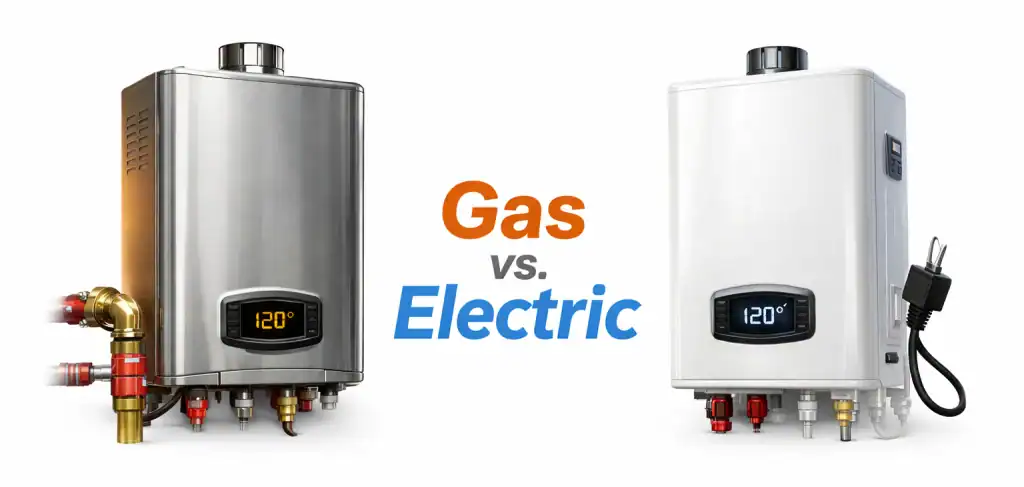
Both are safe if you follow the rules. Electric heaters carry the risk of shock, which is why grounding is so vital.
Gas heaters carry the risk of fire or fumes, which makes ventilation the top priority.
In a small, windowless bathroom, an electric unit is almost always the safer bet. Gas units are great for high-demand homes, but they need a clear path to the outside. If you can’t vent it perfectly, don’t buy a gas model.
| Feature | Electric Instant Heaters | Gas Instant Heaters |
| The Big Risk | Electrical shock if grounding fails. | Carbon monoxide or gas leaks. |
| Top Priority | A high-quality ELCB and thick wiring. | Heavy-duty ventilation and a clear flue. |
| Where it Wins | Tight, enclosed indoor bathrooms. | High-demand homes with outdoor wall space. |
| Worst Case | A short circuit fries the unit. | Gas buildup if the pilot or vent fails. |
| Upkeep | Tap the “Test” button once a month. | Professional leak and vent check every year. |
🟩 Fire and Explosion Risk Comparison
Storage tanks can turn into rockets if their pressure valves fail. That doesn’t happen with tankless units. On the flip side, the electrical draw of a tankless unit is much higher, so your home’s wiring needs to be in better shape to prevent a fire.
🟩 Legionella and Bacteria Risk
This is where instant heaters win. Storage tanks sit with lukewarm water for hours, which is a playground for bacteria like Legionella. Instant heaters heat fresh water as it flows, so you don’t have to worry about standing water getting gross.
🟩 Flooding and Leak Risks
A burst 50-gallon tank is a disaster that will ruin your floors and ceiling. A leak in a small instant heater is usually just a puddle. It’s much easier to manage.
| Feature | Instant Heater | Storage Tank |
| Explosion Risk | Virtually zero. | High if pressure valves fail. |
| Fire Risk | High if wiring is outdated. | Low (steady, low power draw). |
| Health/Hygiene | Fresh water; no bacteria buildup. | High risk of standing bacteria. |
| Water Damage | Minor leaks only. | Catastrophic flooding if it bursts. |
🟩 Can an Instant Water Heater Cause Electric Shock?
Yes, it’s possible, but only if the safety systems fail or were never installed. If you have a working ELCB and a good ground wire, the electricity will be cut long before it reaches a dangerous level. Most shocks happen in houses with ancient wiring that hasn’t been updated in many years.
🟩 Can an Instant Water Heater Explode?
This is a huge fear, but it’s mostly a myth for instant heaters. Traditional storage tanks are the ones that can explode because they hold a large volume of water under pressure. Since instant heaters don’t store water, there is no “tank” to burst. If something breaks, you’ll get a leak, not an explosion.
🟩 Can On-Demand Heaters Overheat or Burn Skin?
Modern thermostatic controls are very good. Most units allow you to set a “max” limit so the water can’t physically get hot enough to scald. As long as your sensors are working, your skin is safe.
🟩 Why Professional Installation Is Non-Negotiable
You are dealing with high amperage and water. If a screw is loose or a wire is too thin, you won’t know it until it starts smoking. A pro knows the local codes, the right wire gauges, and how to test the safety switches properly. It’s worth the money for the peace of mind alone.
🟩 Safety Risks of DIY Installation
I’ve seen DIY jobs where people used regular extension cords or skipped the grounding wire because they didn’t think it was “that important.” These are the things that cause house fires. Don’t risk your life to save a couple of hundred dollars on a plumber.
🟩 Compliance With Local Electrical and Plumbing Codes
Codes are written because someone, somewhere, had a bad accident. Following them isn’t just about being “legal”; it’s about staying alive. Your insurance company might also refuse to pay for a fire if they find out the heater wasn’t installed to code.
While on-demand water heaters are safe for many homes, you should avoid them if any of the following conditions apply to you
✔️ Low-Pressure Homes: If your water pressure is weak, these heaters won’t work well. They need a steady flow to trigger the sensors. If the pressure is too low, you’ll get cycles of cold water, or the unit might even melt its internal housing.
✔️ Old Electrical Panels: Do not install these in houses with very old wiring or 30-amp service. These heaters pull a massive amount of electricity. Putting that load on thin, old wires is a fast way to start a house fire.
✔️ Gas Units in Enclosed Rooms: Never put a gas heater in a bathroom that doesn’t have a window or a proper vent pipe to the outside. Carbon monoxide cannot be seen or smelled, and it will build up quickly in small, sealed spaces.
✔️ Temps Jumping Around: This usually happens because someone else in the house turned on a tap, which drops the pressure. It can also be a sign that lime scale is covering the heat sensors inside the machine.
✔️ Breakers Tripping: If the breaker flips every time you shower, it’s either a bad breaker or the wire is too small for the heater’s power. It can also happen if a tiny water leak is hitting the electrical parts inside.
✔️ The Smell of Burning: This is a red flag. It almost always happens because a wire wasn’t tightened enough during the installation. The electricity has to jump the gap, which creates intense heat and melts the plastic terminals.
Buying a heater is about more than just finding something that fits your budget. You’re basically picking the device that stands between you and a massive electrical surge.
Here is how to make sure you aren’t bringing a hazard into your bathroom.
✔️ Check the Marks: Skip the unbranded “bargain” heaters you find on random marketplaces. You want to see UL, CE, or your local safety stamps. Those little logos are the only proof that the unit survived high-heat stress tests without melting or catching fire.
✔️ Look for an ELCB: This is non-negotiable. The unit has to have a built-in Earth Leakage Circuit Breaker. Look for a “Test” and “Reset” button on the front cover. If those buttons aren’t there, you’re missing the primary line of defence against a fatal shock.
✔️ Waterproofing: Check the box for an IP25 rating. This code confirms the casing is sealed against the steam and splashes that happen in every shower. Anything lower, and you’re risking moisture creeping into the 240V internals.
✔️ Anti-Scald Sensors: Good heaters have a “thermal cut-out.” This is a sensor that kills the heating element if the water temperature spikes suddenly. It’s what stops the water from turning into steam and burning your skin if the flow drops.
Having a fancy heater is only half the battle. The rest is just making sure you don’t treat it like a “set it and forget it” toaster. A little common sense goes a long way when you’re dealing with high-voltage plumbing.
🟩 Cap the Heat: Don’t just crank the dial to the max. Keeping your instant water heater around 40°C or 42°C is plenty. It stops you from getting scalded and prevents limescale from gunking up the heating element so fast.
🟩 Thunderstorm Safety: If you hear thunder right overhead, flip the heater’s wall switch to “Off.” Even if you aren’t showering, a massive lightning surge can jump the lines and fry the control board.
🟩 Emergency Training: Make sure everyone in the house knows where the main breaker is. If the instant water heater starts making a humming noise or won’t shut off, you need to kill the power at the source without reaching for a wet unit.
🟩 The Monthly Test: Most units have a “Test” button for the ELCB. Use it. Press it once a month to make sure the power trips. If it doesn’t click off, your shock protection is dead. Stop using that shower until it’s fixed.
🟩 Watch the Water Flow: When your showerhead starts spraying sideways, it’s usually grit or mineral buildup. This back-pressure is bad for an instant water heater because it can cause the internal chamber to overheat. Keep that filter clean.
🟩 Check the Casing: Take a look at the plastic box now and then. If you see cracks or brown “scorch” marks where the wires go in, stop using it. Burning smells mean the internal terminals are loose and dangerous.
🟩 Clear the Space: Don’t use your instant water heater as a shelf for loofahs or wet towels. The unit needs a bit of air. More importantly, you need a clear path to the isolation switch if you have to cut the power fast.
This is a tricky one. Many old houses have wiring that just can’t handle the 40-60 amps an instant heater needs. If you try to run it on old wires, you could cause a fire. You really need an electrician to look at your panel first. You might need an upgrade before you can safely install one.
Yes, they are literally designed for this. But there’s a catch. You have to follow the “zones.” You shouldn’t put the heater directly under the showerhead where it gets a constant soaking. Most codes require it to be a certain distance away from the tub or shower. Check the IP rating—that tells you exactly how much water the casing can handle.
Instant water heaters are not dangerous by nature. Problems usually come from shortcuts, not the technology itself. Choose a certified unit, install it professionally, and maintain it regularly. Do that, and you’ll get safe, reliable hot water without the worry.
No. The heating element is sealed inside a metal sheath. This acts as a barrier, keeping the electricity and water separate so the current doesn’t leak into the shower.
It won’t explode. These units have no tank, so pressure can’t build up like a bomb. If the water stops, a flow sensor kills the power instantly.
Yes. That rating means the box is sealed against steam and direct splashes. It keeps the high-voltage wires dry even in a humid bathroom.
No. A surge might fry the circuit board, but these units are designed to fail “dead.” If the electronics break, the power stays off.
If a part fails, the ground wire gives the electricity a faster path to the earth than your body. This surge through the ground wire trips the breaker immediately.
Not at all. The control knobs are made of plastic and sit far away from the 240V internals. There is no way for the electricity to reach your fingers.
The built-in ELCB sensor is extremely sensitive. If a leak hits the electrical side, the sensor cuts the power in milliseconds, long before you’d ever feel a shock.
Hot water feels simple. You turn the tap and expect warmth, every time. But behind that moment is a system […]
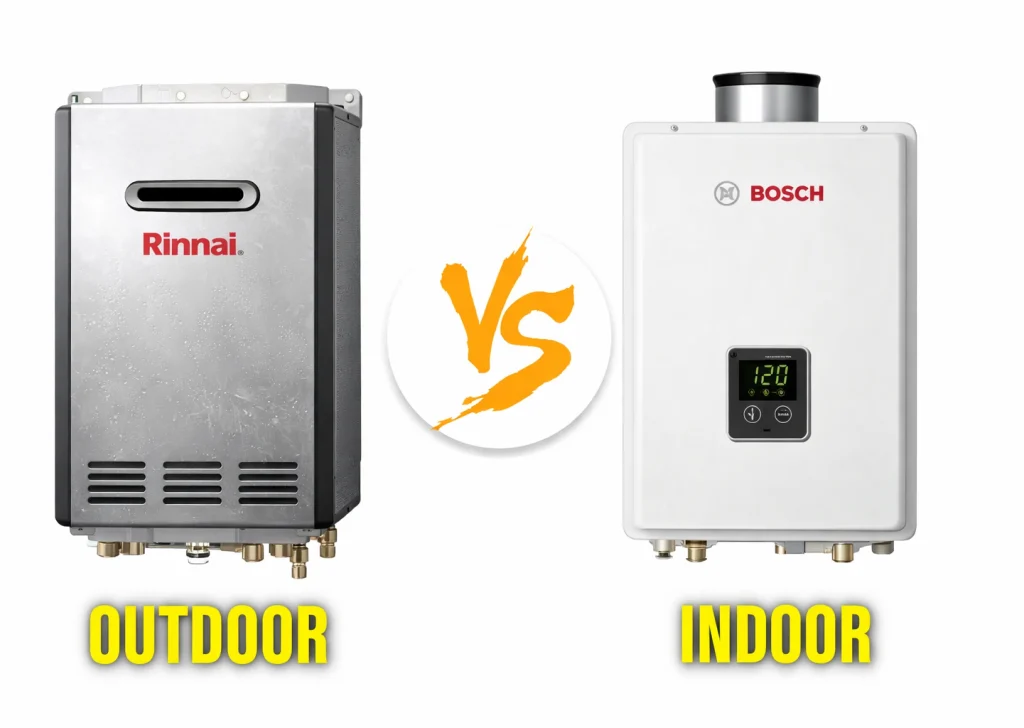
Quick answer The difference between indoor and outdoor tankless water heater setups comes down to placement and protection. Indoor units […]
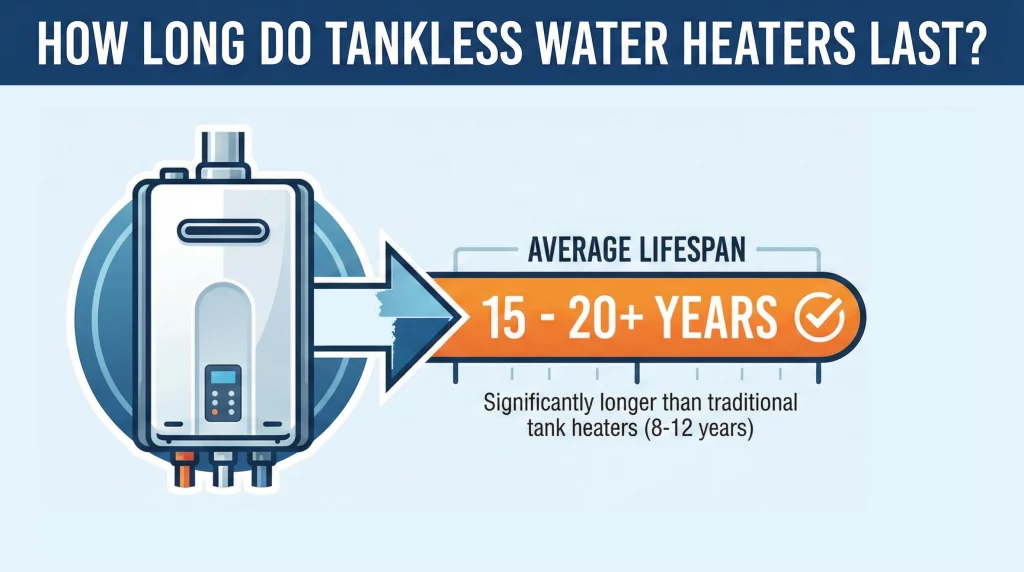
Quick Answer The average life expectancy of a tankless water heater falls anywhere between 15 and 20 years, and often […]
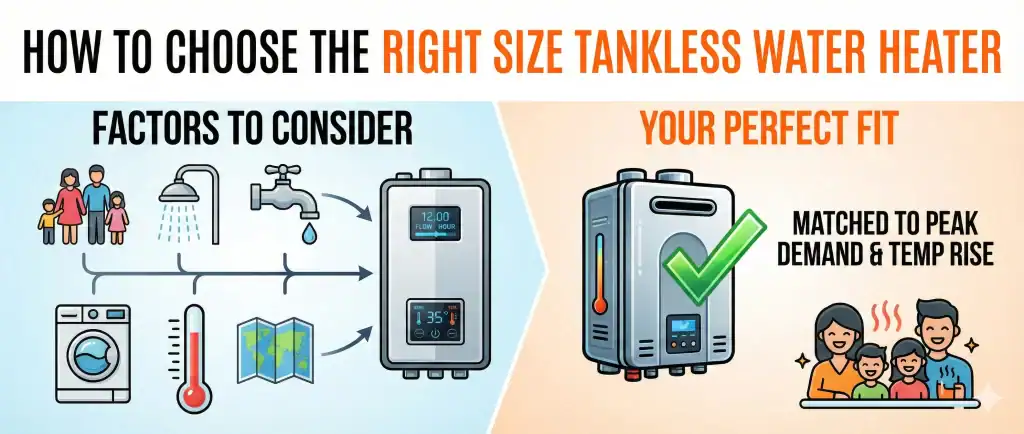
Quick Answer: Continuous flow (tankless) water heaters are now the standard choice for modern Australian homes. They offer the luxury […]



Our energy efficiency experts are here to answer all your questions and guide you through the products, rebates, and installation process.

Upgrade now, pay later with