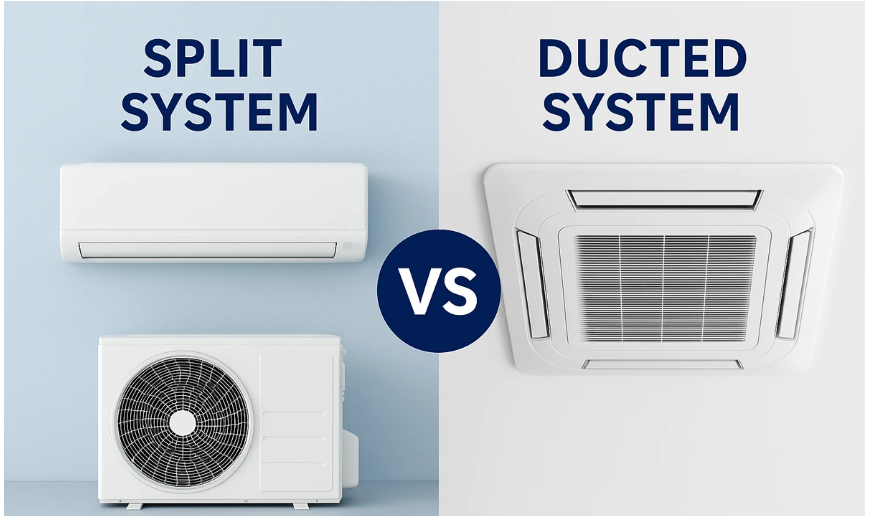
When it comes to keeping your home comfortable, the air conditioning choice is a big one. The main reason is […]
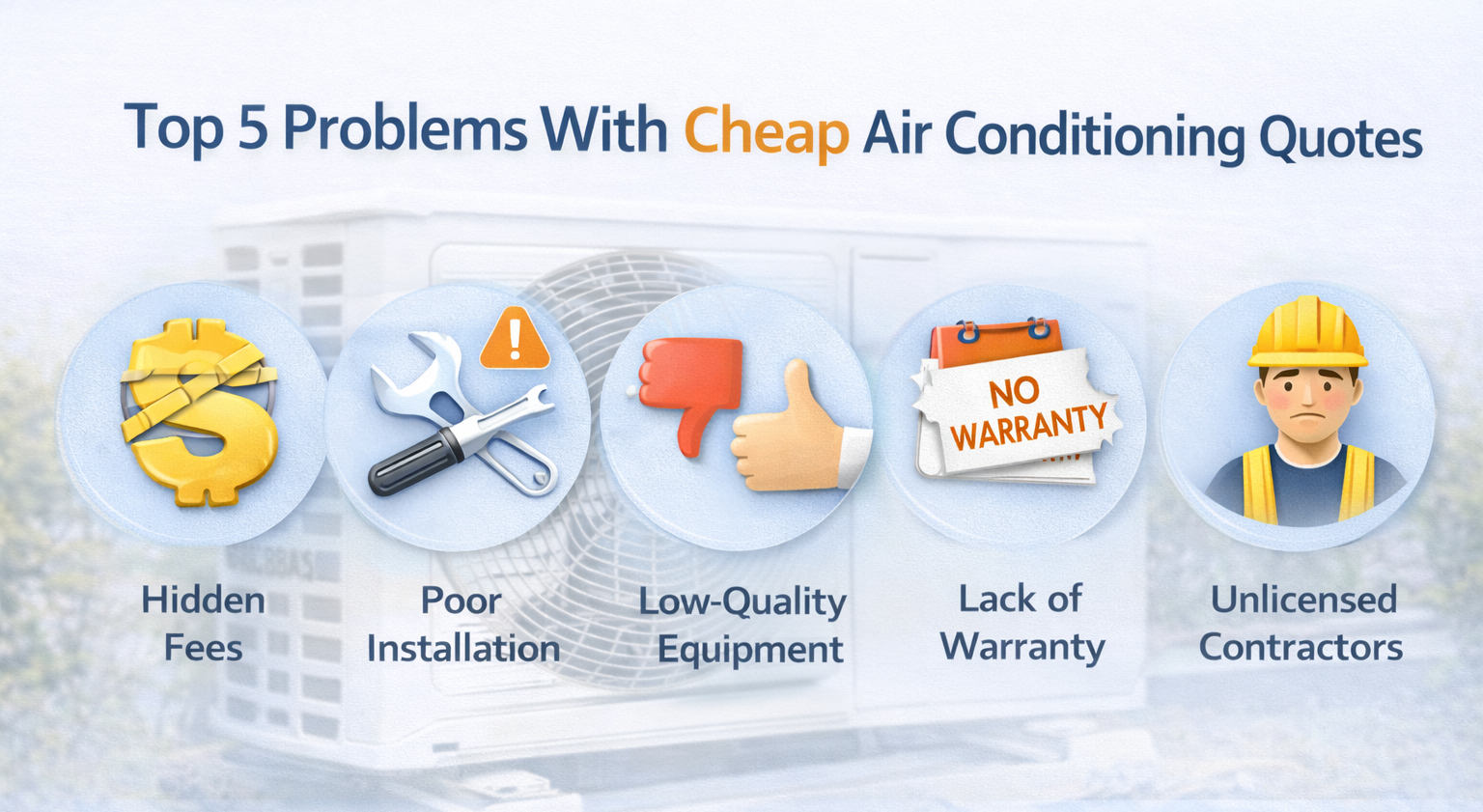
Cheap air conditioning quotes have a strange pull. You see a low number and feel relief straight away. With summers growing harsher and power bills already biting, saving upfront feels sensible.
Many people assume air conditioning is simple. Buy a unit. Install it. Job done. That belief makes cheap quotes even more attractive.
But the problems linked to low-cost quotes rarely appear immediately. They creep in later. Sometimes slowly. Sometimes all at once. And when they do, the initial savings often vanish.
Before looking at the problems themselves, it helps to understand why some quotes come in far lower than others. The price difference is rarely accidental. In most cases, it is created by removing time, materials, or responsibility from the job.
Cheap quotes are often built to win attention, not to reflect reality. The lower the number, the faster people respond. That pressure encourages shortcuts long before installation begins.
This approach usually involves reducing labour time, limiting what is included, or avoiding responsibility for anything unexpected. On paper, the quote looks attractive. In practice, it leaves very little margin for proper work.
This article looks at the five biggest problems people face after accepting cheap air conditioning quotes
At first glance, cheap quotes appear clear and uncomplicated. One figure is presented, and everything seems included. That initial simplicity is exactly where the problem begins.
Once work starts, the real cost often begins to surface. This includes:
Low quotes often rely on vague language. Installation is listed, but what that actually covers is unclear. Essential components are quietly excluded to keep the number low.
Items like additional piping, insulation, brackets, wall sleeves, or drainage adjustments are often missing. These parts are common in many installations, yet they are rarely mentioned upfront.
The lack of detail keeps the quote low while shifting responsibility later.
Once the installer is on-site, practical issues appear. Walls may be thicker than expected. Pipe runs may be longer. Power access may be more complicated.
That is when extra charges are introduced—electrical work. Extra materials. Labour extensions. Each cost is explained as unavoidable, even though it could have been identified earlier. By this stage, the installation may already be underway.
As more costs are added, the original quote loses relevance. What feels affordable becomes stressful. The issue is not just money. It is timing. These costs appear when stopping the job feels risky, leaving little room to push back.
This problem often stays hidden until the system is tested under real conditions. Early use may seem fine. Long-term use tells a different story. The issue usually starts during quoting. This includes:
Cheap quotes are often created without visiting the property. No measurements are taken.
No checks are done on room size, insulation, or airflow. Without this information, system selection becomes guesswork.
To keep quotes low, smaller systems are commonly chosen.
They reduce upfront cost and help win the job. The problem is that these systems are not designed for larger or more demanding areas. They struggle when temperatures rise or when multiple rooms need cooling.
Undersized systems cool unevenly. One area may feel acceptable, while another remains warm. The system runs longer, works harder, and still fails to maintain consistent comfort.
Constant overwork increases wear. Components age faster. Faults appear sooner. What started as a cheaper option becomes a source of ongoing dissatisfaction.
Even the right system can perform badly if the installation quality is poor. Cheap quotes increase this risk because labour time is limited. Lower pricing usually means tighter schedules. This includes:
Installers working under pressure often move quickly from one job to the next. There is little time to slow down or correct small issues. Mistakes that could have been avoided become locked into the system.
Drainage pipes may be poorly angled. Refrigerant lines may lack proper insulation. Outdoor units may be mounted without adequate vibration support. These shortcuts are rarely obvious at first glance.
Leaks may develop slowly. Noise increases over time. Cooling efficiency declines bit by bit. Because these changes are gradual, the cause is often overlooked.
Once faults become clear, fixing them is rarely simple. Walls may need opening. Pipework may need replacing. The cost of correcting poor installation often exceeds the original savings.
This problem is serious and often invisible. Many people assume compliance is automatic. It is not. Cheap quotes increase this risk. This includes:
Low-cost jobs sometimes rely on installers with limited qualifications. In some cases, apprentices work unsupervised. In others, licensing details are unclear. This places responsibility on the homeowner without their knowledge.
Air conditioning systems involve electricity and refrigerants. Incorrect handling increases the risk of faults or hazards. These issues may remain hidden until something goes wrong.
Manufacturers often require proof that installation meets specific standards. If it does not, warranties may be voided. This is usually discovered after a breakdown.
If damage is linked to non-compliant work, insurance claims may be questioned or denied.
A technical issue can quickly become a financial one.
The final problem often appears after the installer has left and payment has been made. At that point, support becomes essential. With cheap quotes, it often lacks. This includes:
Many low-cost quotes focus on the unit itself. Installation coverage may be unclear or extremely short. When faults relate to workmanship, responsibility becomes disputed.
Calls may go unanswered. Messages may be delayed. Follow-up visits may be postponed repeatedly. Support becomes difficult to access.
Problems remain unresolved. Temporary fixes fail. Each delay adds frustration. Confidence in the system fades.
Eventually, many homeowners hire another technician to correct the issues. At that point, the cheap quote has lost all value.
Cheap air conditioning quotes often promise savings at the beginning. What they frequently deliver is a chain of ongoing problems.
Hidden costs inflate prices. Incorrect sizing affects comfort. Poor installation leads to faults. Non-compliant work creates risk. Weak support leaves homeowners stranded.
These problems typically arise after installation, when decisions are difficult to reverse. By then, the original quote no longer matters. Only the consequences remain.
If you see unusually cheap AC quotes, be warned. It could mean the company is using lower-quality parts or skipping proper installation steps. While it seems like a good deal upfront, this can compromise both safety and performance, meaning your system may not last as long or work efficiently.
It can because most cheap AC quotes mean poor-quality units or incorrect installation. Either can make your air conditioner work harder to cool or heat your space. This inefficiency often results in higher electricity bills, which can quickly erase any savings from the initial quote.
Sometimes, cheap air conditioning quotes can affect the warranties. Many manufacturers require installation by certified professionals to maintain the warranty. If corners are cut or unlicensed installers are used, your warranty could be limited or even void, leaving you with no protection if the system fails.
Yes. Using substandard components or improper installation increases the chance of breakdowns. What starts as a small issue can quickly become a major repair, costing you more in the long run than if you had chosen a properly priced, quality installation.
Absolutely. Undersized or low-quality units may struggle to maintain consistent temperatures. You could end up with hot or cold spots in your home, uneven airflow, or noisy operation, which reduces your overall comfort and satisfaction.
Not necessarily. Some companies offer competitive pricing without cutting corners. However, you need to research the installer’s reputation, check customer reviews, and verify the unit’s energy efficiency rating to ensure it’s a safe choice.
Yes. Inferior equipment and rushed installation can lead to faster wear and tear. A system that might normally last 12–15 years could fail much sooner, meaning you’ll need to replace it sooner than expected, which ends up costing more overall.
When it comes to keeping your home comfortable, the air conditioning choice is a big one. The main reason is […]
Same Name, Different Game: Which One Keeps Its Cool? 1. The Tale of Two Titans (Mitsubishi Electric vs Mitsubishi Heavy […]
When it comes to establishing a comfortable indoor climate throughout the year, reverse cycle air conditioning is among the most […]

According to the Australian Bureau of Statistics, over 74% of households use some form of air conditioning, and in states […]




Our energy efficiency experts are here to answer all your questions and guide you through the products, rebates, and installation process.

Upgrade now, pay later with