
Quick Answer Yes, instant water heaters are safe when installed and used properly. Modern ones come with pre-installed safety features […]

Few things derail a morning faster than a cold shower. In Australia, that frustration is common. Around 50% of households still rely on storage hot water systems, and for many families, the “hot water race” is part of daily life.
Beat someone to the bathroom, or wait while the tank slowly reheats after the dishes are done.
It’s irritating, but it’s also making people think.
Why keep hundreds of litres of water heated through the night when no one is using it? Why pay for energy that delivers nothing in return?
As energy costs rise, those questions are getting harder to ignore. Homeowners still want comfort, but not at the expense of constant waste.
That’s where instant hot water systems (often called continuous flow systems) enter the conversation. Instead of storing hot water, they heat it as it’s needed. No bulky tank. No recovery time. Just hot water when the tap is turned on.
The idea sounds ideal. But does it actually work for real homes? Read this guide to the end and find out if this is your ideal deal.
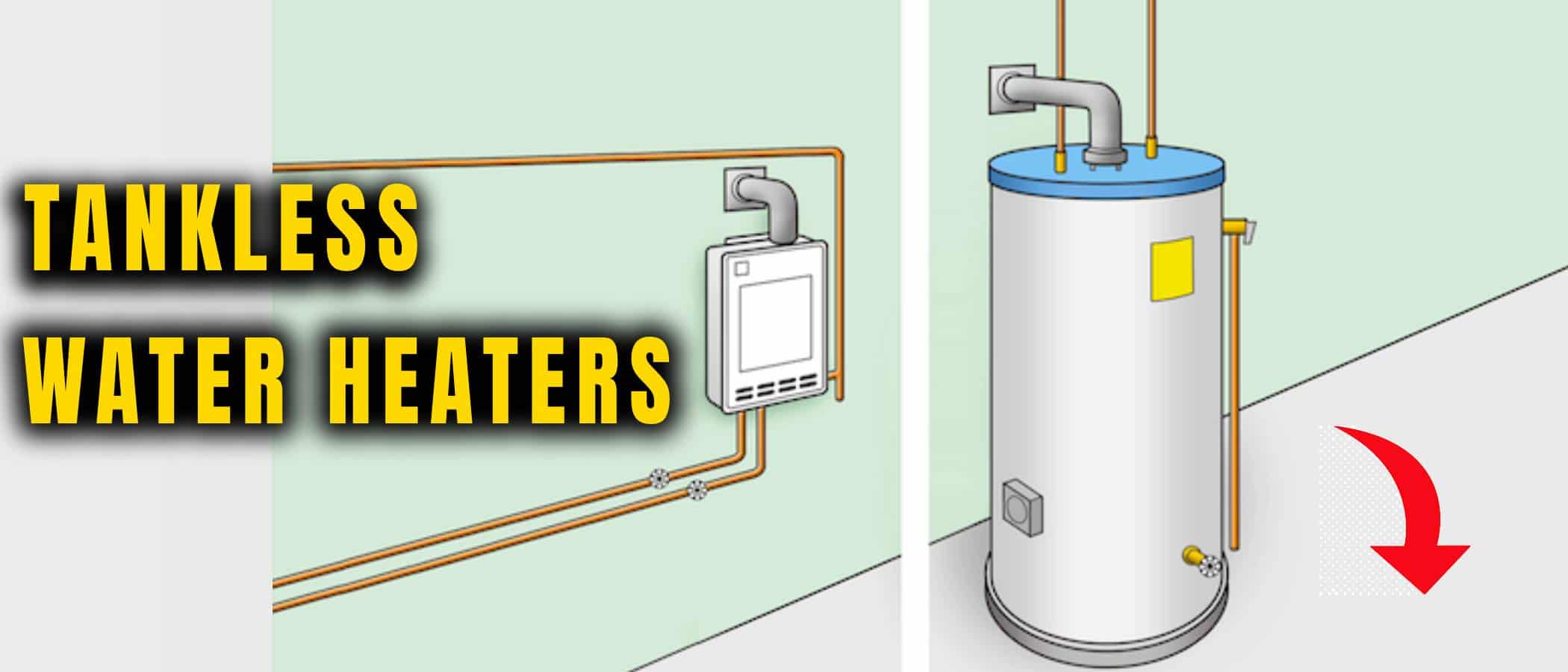
Think of a continuous hot water system as a “flow-through” system. Unlike the big metal cylinders sitting in your backyard or laundry cupboard, a tankless unit doesn’t store anything. It’s a small box that stays idle until you turn on a tap.
Standard systems are like a slow cooker, always simmering. Tankless systems are more like a kettle that boils only when you need tea.
“On-demand” means the unit only draws energy the moment water starts moving through the pipes. This shift from “storing” to “streaming” is what makes them so much smaller and more efficient.
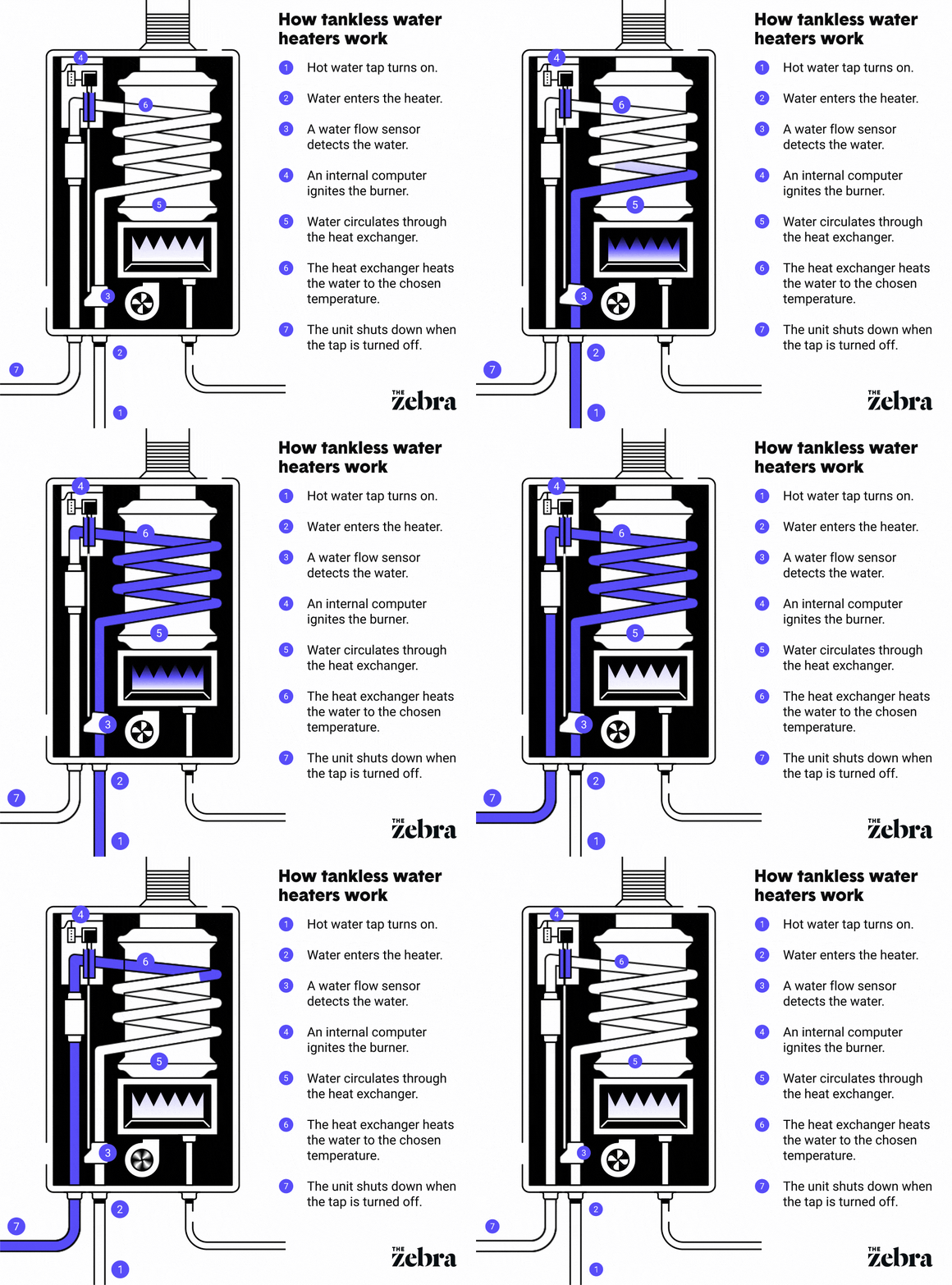
When you flick the shower lever, cold water flows into the unit. A sensor detects this movement and instantly fires up a burner or an electric element. The water wraps around a copper heat exchanger, picks up the warmth, and heads straight to your showerhead.
Most modern high-efficiency water heaters have a digital pad where you set the exact temperature, say, 50°C for safety. If you turn on two taps at once, the unit works harder to keep up. It’s a smart process, but it relies entirely on the flow of water.
If the flow is too low (like a trickling tap), the unit might not even kick in. That’s why you should ensure your home has enough water pressure for a reliable performance.
The biggest difference is the “limit.” With a tank, once the hot water is gone, it’s gone. You’re stuck waiting for the “recovery time.”
With a tankless instant hot water system, you have an endless supply. You could shower for three hours if you really wanted to, though your water bill would be a nightmare.
Storage tanks are also massive and heavy. Tankless units are about the size of a carry-on suitcase and hang on the wall.
While tanks usually last about 10 years before the bottom rusts out, a well-maintained tankless system can easily go for 20. It’s a higher cost at the start, but it’s built for the long haul.
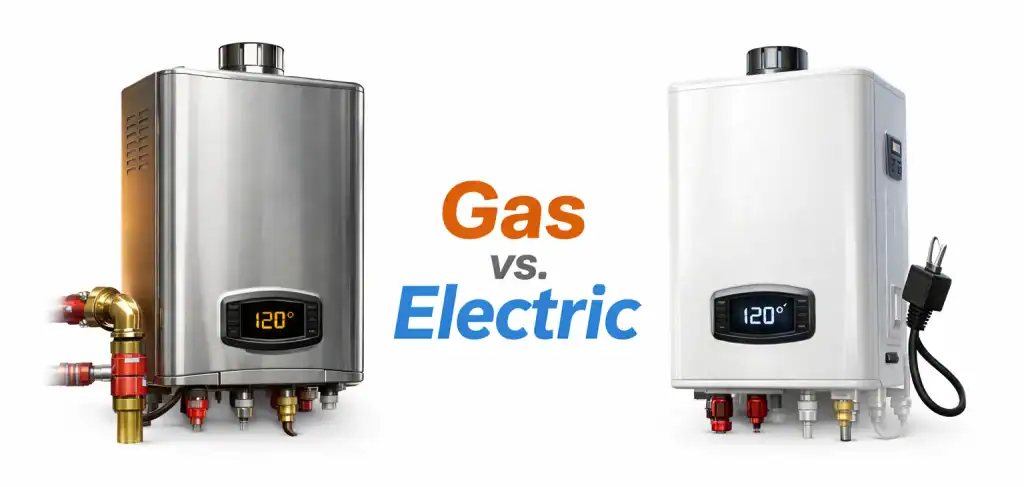
Gas units are the heavy hitters in Australia. They can heat a lot of water very quickly, making them perfect for big families.
They do need a gas line and a flue for exhaust, though. If you have natural gas connected, these are usually the cheapest to run.
Electric continuous hot water systems are smaller and simpler since they don’t need venting. However, they draw a massive amount of power.
If your home lacks a heavy-duty electrical setup, you might need an expensive switchboard upgrade, sometimes costing over $1,000, just to run one. They are great for small apartments, but can struggle with high demand.
Size matters when picking a tankless energy-efficient hot water system.
But we talk about “flow rate” instead of “litres.”
Note: If you live in a colder part of Australia, like Tassie or Victoria, you need a bigger unit because the “incoming” water is freezing and takes more energy to heat up.
| Advantages | Disadvantages |
| Endless hot water on demand | Higher upfront cost and installation |
| Safe to use, minimal leakage risk | Depends on gas or electricity supply |
| Space-saving, compact design | Sensitive to slow water flow |
| Long lifespan and durable | Temperature can fluctuate under high demand |
| Energy-efficient, heats only when needed | Not ideal for hard water without softening |
| Saves money on energy and water bills | |
| No stale water or odours | |
| Instant hot water | |
| No risk of corrosion or toxic metals |
Trying to DIY an on-demand water heater is a mistake.
In Australia, you legally need a licensed plumber and often a licensed sparky to ensure everything meets AS/NZS 3500.4 and AS/NZS 5601.1 safety codes.
Budgeting for this energy-efficient hot water system involves two parts: the box and the labour.
While the sticker price is higher than a basic tank, the efficiency gains start paying you back immediately.
You can usually expect about 15 to 20 years. Since they don’t hold water, the insides don’t corrode as fast as a tank does.
A glass-lined tank is basically a ticking time bomb of rust; a tankless unit is mostly copper and electronics.
Gas units often last slightly longer than electric ones if they are serviced, but both easily beat the 10-year lifespan of a standard tank with proper maintenance.
When thinking about an on-demand water heater, don’t just focus on the upfront cost.
Look at the total cost of ownership over time. Tankless units typically last longer than storage tanks, so you replace them less often. That alone can save you hundreds or even thousands over 15–20 years.
With a traditional storage tank, a typical household might go through two units in 20 years, plus two installation fees.
With a tankless system, you only need one unit and one installation. That second installation fee you avoid is where much of the real value comes from.
Energy savings also add up. T
ankless units heat water only when you need it, so you use less electricity or gas. If your home has solar panels, an electric tankless system can even be scheduled to run during peak solar hours, letting you use “free” energy from the sun.
It’s a “yes” if:
It might be a “no” if:’
An instant hot water system is usually a smarter choice for most Australian homes needing convenience. It uses energy more efficiently, lasts much longer than a traditional storage tank, and helps you avoid running out of hot water during peak times.
It’s a modern solution that pays off over time, thanks to lower energy bills and fewer replacements. The key is to get a licensed plumber or electrician to check your gas lines or electrical circuits before you buy. That step ensures your new system will run safely and reliably from day one.
Quick Answer Yes, instant water heaters are safe when installed and used properly. Modern ones come with pre-installed safety features […]
Hot water feels simple. You turn the tap and expect warmth, every time. But behind that moment is a system […]
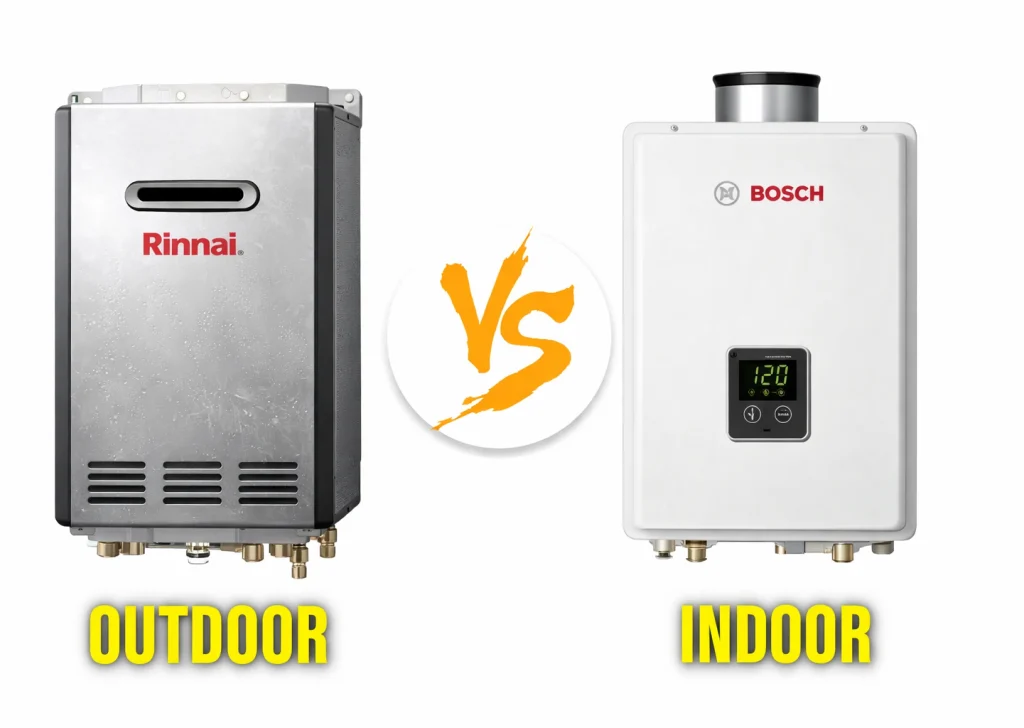
Quick answer The difference between indoor and outdoor tankless water heater setups comes down to placement and protection. Indoor units […]
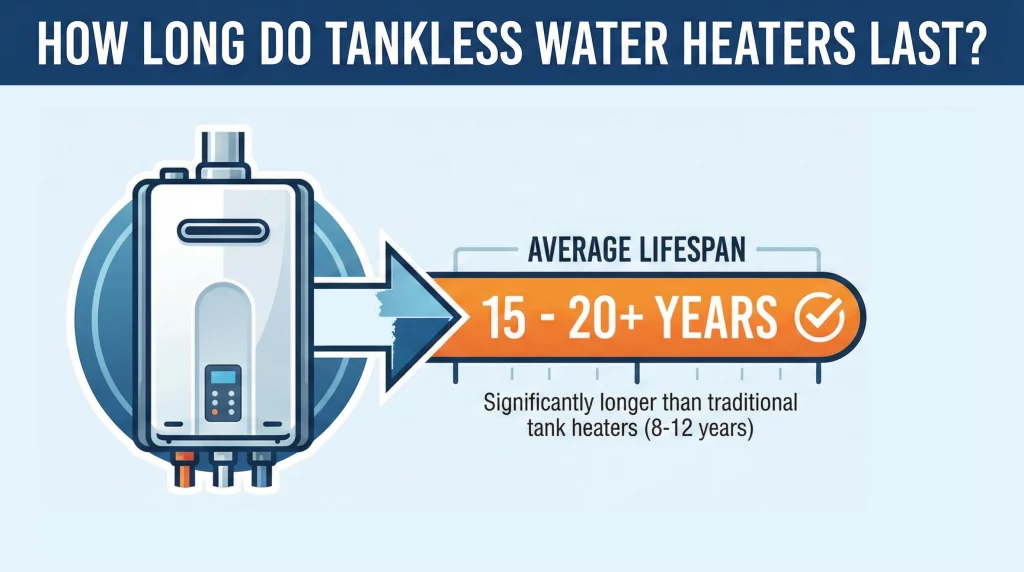
Quick Answer The average life expectancy of a tankless water heater falls anywhere between 15 and 20 years, and often […]



Our energy efficiency experts are here to answer all your questions and guide you through the products, rebates, and installation process.

Upgrade now and pay later with the Home Energy Saver Program!