Home batteries are becoming an increasingly common part of Australian households. When paired with solar, they help you store excess […]
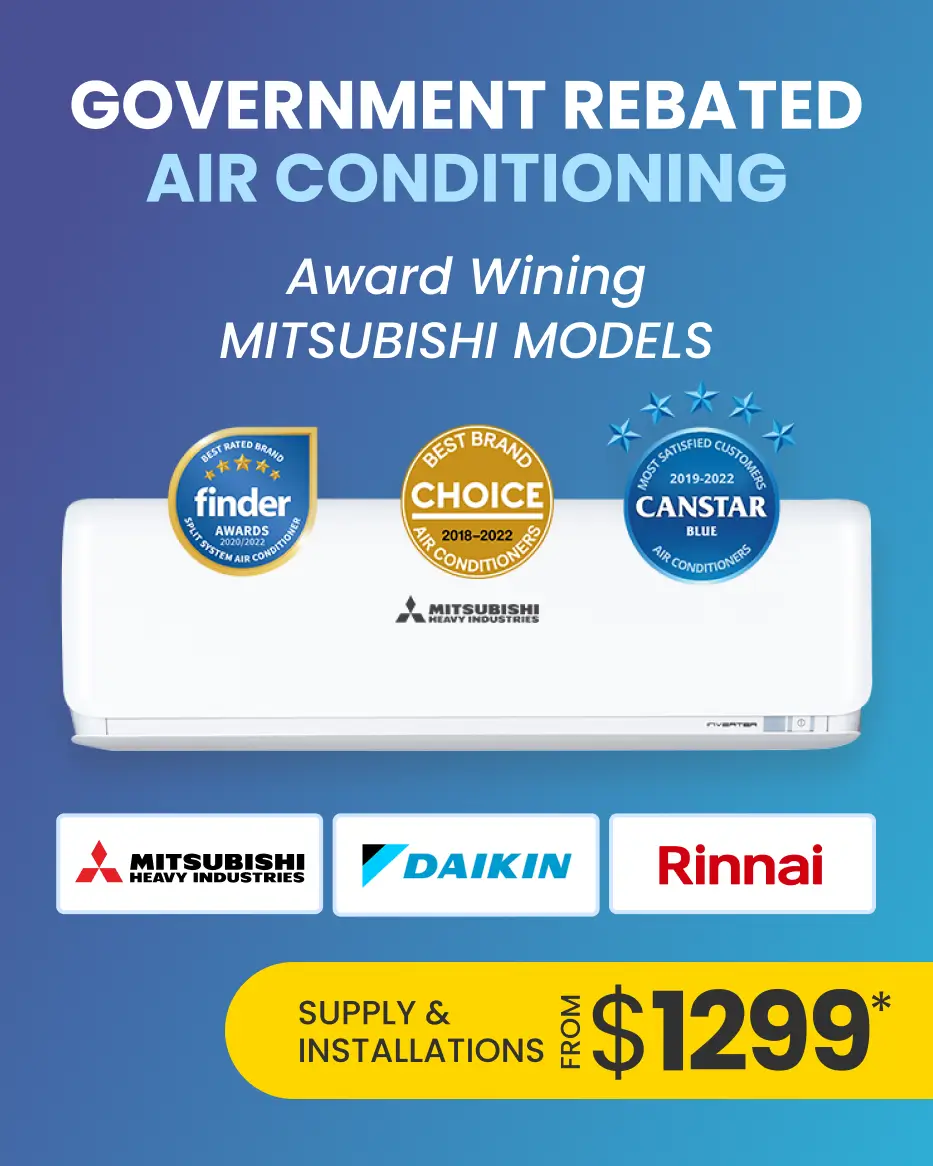
Air conditioning rebates in New South Wales are often misunderstood. Many people assume they work like traditional government grants: apply, wait, and get money back. That is not how the NSW system operates.
In NSW, air conditioning incentives are delivered through the Energy Savings Scheme (ESS). The benefit is usually applied upfront, as a discount built into the installation price, when specific eligibility rules are met.
Eligibility is not based on one single factor. It is shaped by who owns the property, how the property is used, who authorises the installation, and how the system is installed.
In this guide, we explain those eligibility rules clearly and precisely, so you understand whether you qualify before you commit to an installation.
The Energy Savings Scheme is designed to reduce electricity use across NSW by encouraging the installation of high-efficiency systems.
Air conditioners fall under this framework when they meet specific energy performance standards and are installed by approved professionals.
Eligibility does not depend on brand loyalty, retailer promotions, or informal advice. It depends on compliance.
Four questions matter more than anything else:
Everything else flows from those points.
Homeowners sit in the strongest eligibility position.
If you own the property in NSW where the air conditioner will be installed, you are generally eligible to access the ESS incentive, provided the technical requirements are met.
This includes:
From an eligibility standpoint, ownership removes one major obstacle: consent. You do not need third-party approval to upgrade the cooling system, which simplifies the compliance process.
That said, ownership alone is not enough. The installation must still:
If those conditions are satisfied, homeowners typically receive the rebate as a reduction in the installation cost, rather than as a separate payment.
Renters can benefit from air conditioning incentives, but eligibility is conditional.
The key requirement is documented landlord approval.
Without clear written consent from the property owner, a renter cannot access the ESS incentive. This applies even if the renter is paying for the installation themselves.
Why this matters:
If landlord approval is provided and all technical requirements are met, the rebate can still be applied.
In practice, most successful renter installations occur when:
For renters, eligibility exists, but it is never automatic.
Tip: Many renters successfully pitch this to landlords by highlighting that the unit increases the property’s GEMS (Greenhouse and Energy Minimum Standards) rating, making the home more attractive to future tenants.
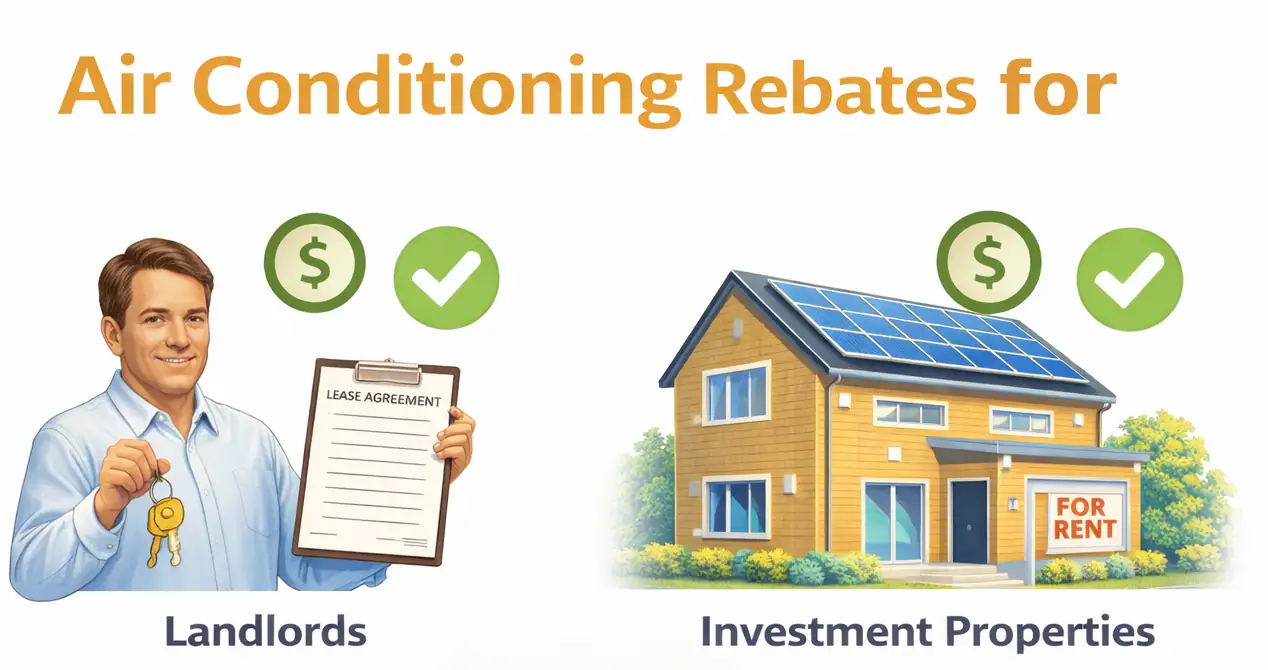
Landlords are fully eligible to access air conditioning rebates under the Energy Savings Scheme, provided the property is located in NSW and used for residential purposes.
This applies to:
From a compliance view, investment properties are treated similarly to owner-occupied homes. The difference lies in authorisation.
The landlord must:
Tenants cannot independently trigger eligibility. The owner’s consent is essential.
For landlords, the incentive often makes financial sense. A higher-efficiency system improves tenant comfort, reduces running costs, and increases property appeal, while the rebate lowers upfront installation costs.
Eligibility does not depend on:
It depends on the property location, compliance, and correct installation.
The Catch: Landlord must ensure the tenant provides access for the pre-installation and post-installation photos. These photos are mandatory “evidence” for the government to validate the energy savings
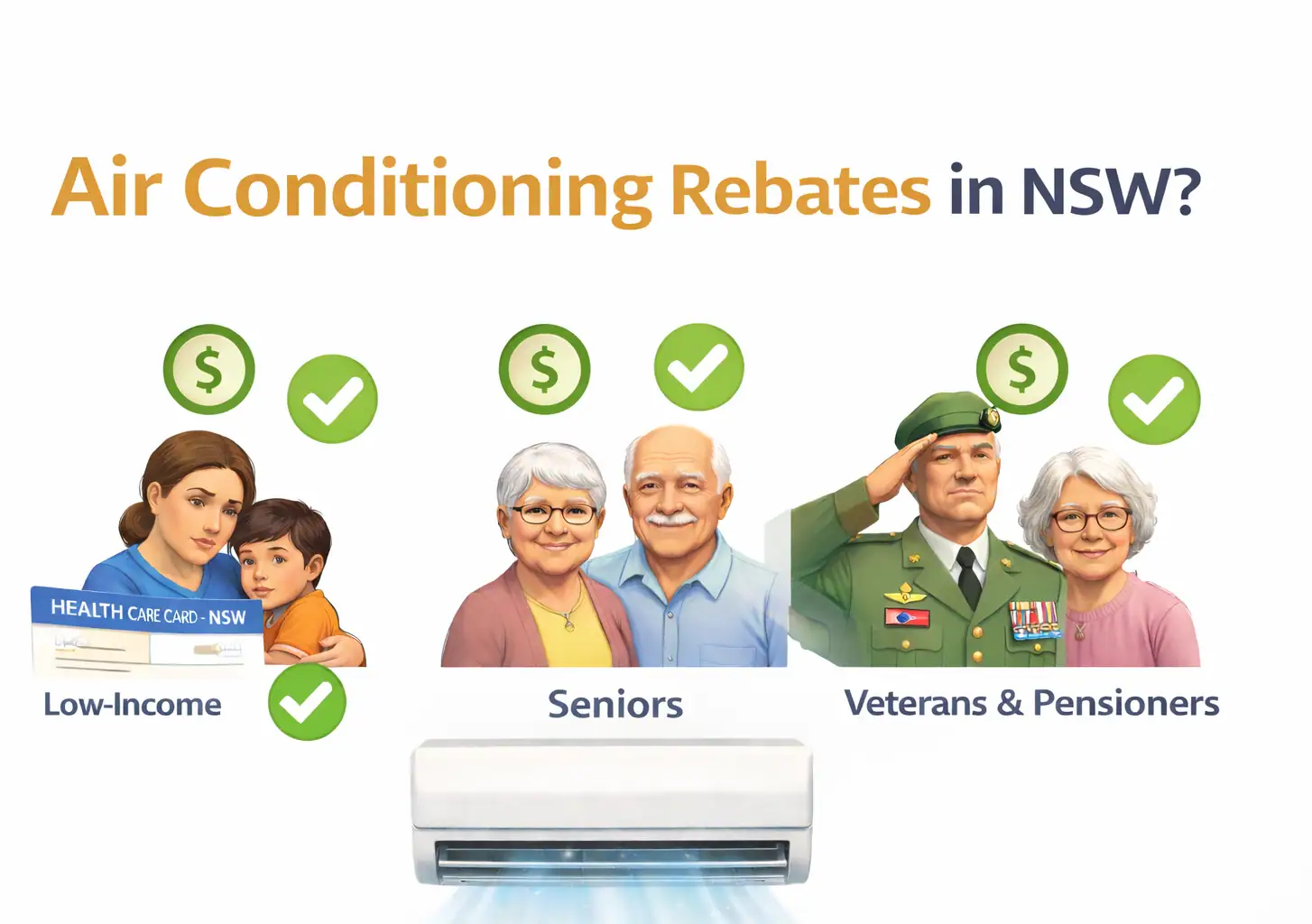
Low-income households are those recognised by the NSW Government as eligible for support programs, typically because the household holds a Low Income Health Care Card or qualifies for the Low Income Household Rebate.
Pensioner households are those where a resident holds a Pensioner Concession Card or equivalent government pension card.
Being in either of these categories does not automatically increase or reduce eligibility under the Energy Savings Scheme.
If the property and installation meet the rules, the incentive applies regardless of household income.
However, low-income households and pensioners may qualify for additional energy support programs that operate separately from the air conditioning incentive.
These may include:
While these programs do not change eligibility for the installation incentive, they can significantly reduce the cost of running an air conditioner over time.
From an eligibility standpoint, the distinction is important:
A pensioner household installing an approved air conditioner through an accredited pathway receives the same ESS incentive as any other eligible household.

Most ESS air-conditioning incentives are aimed at upgrading existing homes. Eligibility is strongest when:
Replacing older systems produces measurable energy savings, which is why existing homes are a primary focus of the scheme. From a compliance perspective, eligibility is straightforward as long as the installer documents the upgrade correctly.
In short, older homes are prime candidates because the scheme rewards improvements over what is already in place.
New homes can also qualify, but eligibility is slightly more complex. The reason: New builds are generally assumed to already meet current energy efficiency standards.
A newly built property can qualify if:
Eligibility may be limited if the system is installed as part of a bulk developer package without ESS compliance processes in place.
For custom builds or owner-directed installations, eligibility is usually clear.
The key point: Newness does not disqualify a property. Process does.
Apartments and strata-managed properties can qualify, but eligibility depends on approval structures.
In most cases:
From an ESS perspective, eligibility exists once lawful authority is confirmed.
At E-Green Electrical, this is addressed early. Approval pathways are clarified before installation begins, protecting eligibility and avoiding compliance issues.
Several assumptions regularly confuse. These factors do not determine eligibility:
Eligibility is technical and procedural. It is not marketing-driven.
No matter who owns the property, eligibility always depends on how the installation is handled.
To qualify:
If any part of this chain fails, the incentive cannot be applied.
This is why many property owners believe they were “eligible” but missed out. The issue is rarely the property. It is usually the process.
In plain terms, you are likely eligible if:
You are unlikely to qualify if:
Eligibility should never be assumed after installation.
At E-Green Electrical, we assess eligibility before work begins. This ensures:
For high-value properties and investment portfolios, this step protects both cost and compliance.
Air conditioning rebates in NSW are accessible, but only when eligibility is properly understood.
Ownership matters. Authority matters. Process matters.
Homeowners, landlords, renters with consent, pensioners, and builders can all qualify under the right conditions. The difference lies in how carefully those conditions are handled.
If eligibility is addressed early and correctly, the incentive works as intended: lowering upfront costs while improving energy performance.
In NSW, the “rebate” for air conditioners isn’t a typical refund you apply for after purchase. Instead, it’s an upfront discount applied to your installation quote when you buy a new energy‑efficient air conditioner through an approved installer as part of the Energy Savings Scheme (ESS).
Most households and small businesses in NSW can be eligible to receive the incentive if they install an eligible energy‑efficient air conditioner. There’s no income test, so it’s generally open to anyone meeting the equipment and installation requirements.
Yes, you must live in or operate a business in New South Wales for the installation to qualify for the ESS incentive. If your property is outside NSW, you won’t be eligible under this specific scheme.
Yes, but if you are renting, you usually need permission from your landlord before installing a new air conditioner because the rebate applies to the property’s upgrade. The installer must include the incentive in their quote before work begins.
You don’t have to own the property to benefit, but you will normally need the owner’s consent (especially if you’re a renter) before installing a new air conditioner that triggers the incentive.
To qualify, the air conditioner must be energy‑efficient and meet government standards (such as Minimum Energy Performance Standards), and it usually must be installed by a professional connected to an Accredited Certificate Provider (ACP) under the ESS.
There aren’t strict income or age limits for participants, but the rebate only applies to eligible models (e.g., energy‑efficient split or ducted systems). Larger or higher‑efficiency models may attract different levels of incentive, and your installer will tell you what qualifies before purchase.
Home batteries are becoming an increasingly common part of Australian households. When paired with solar, they help you store excess […]
Managing the heat in New South Wales can be a struggle, especially when power bills start to rise. Air conditioning […]
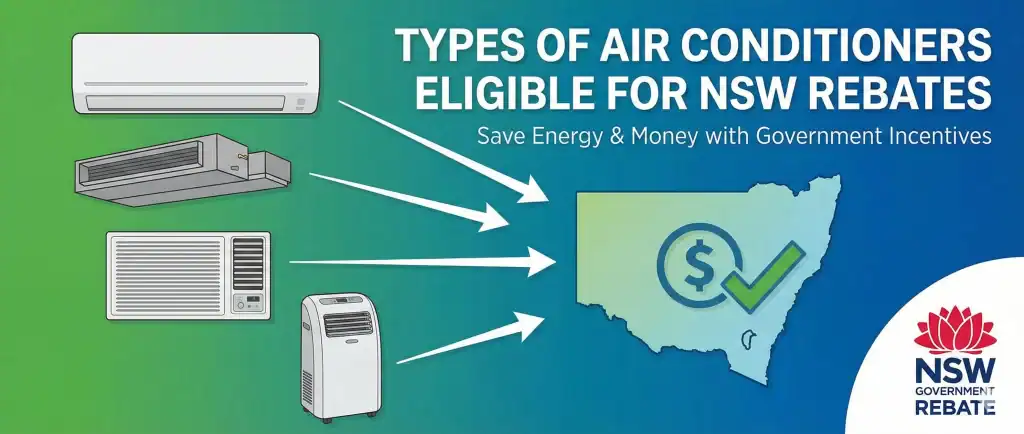
Electricity prices across NSW have been rising, with some households seeing bill increases of up to 9.7%. Most people feel […]
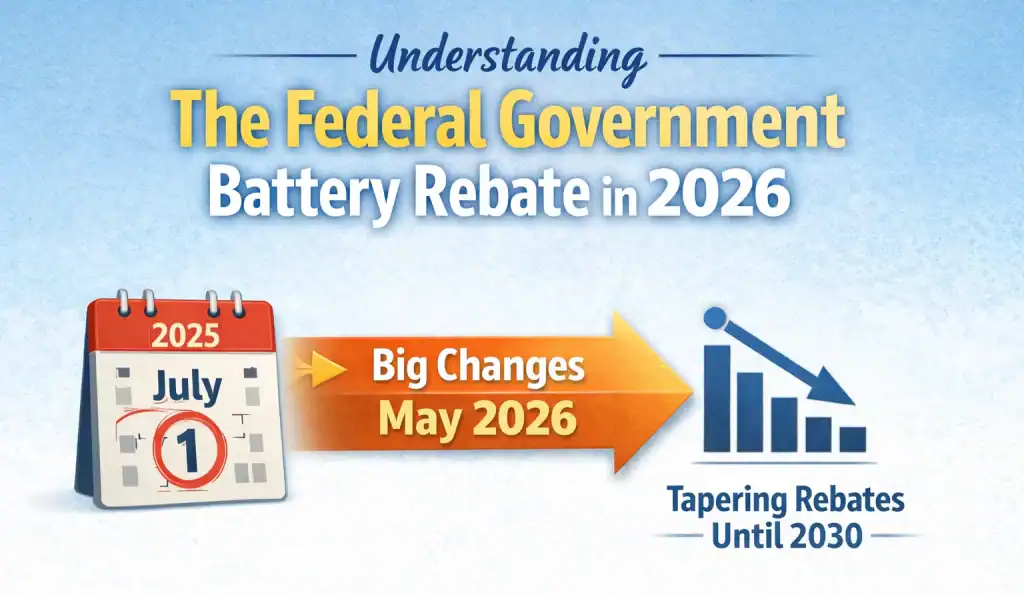
Electricity bills continue to rise, and more Australians are looking for ways to save. One of the biggest opportunities right […]
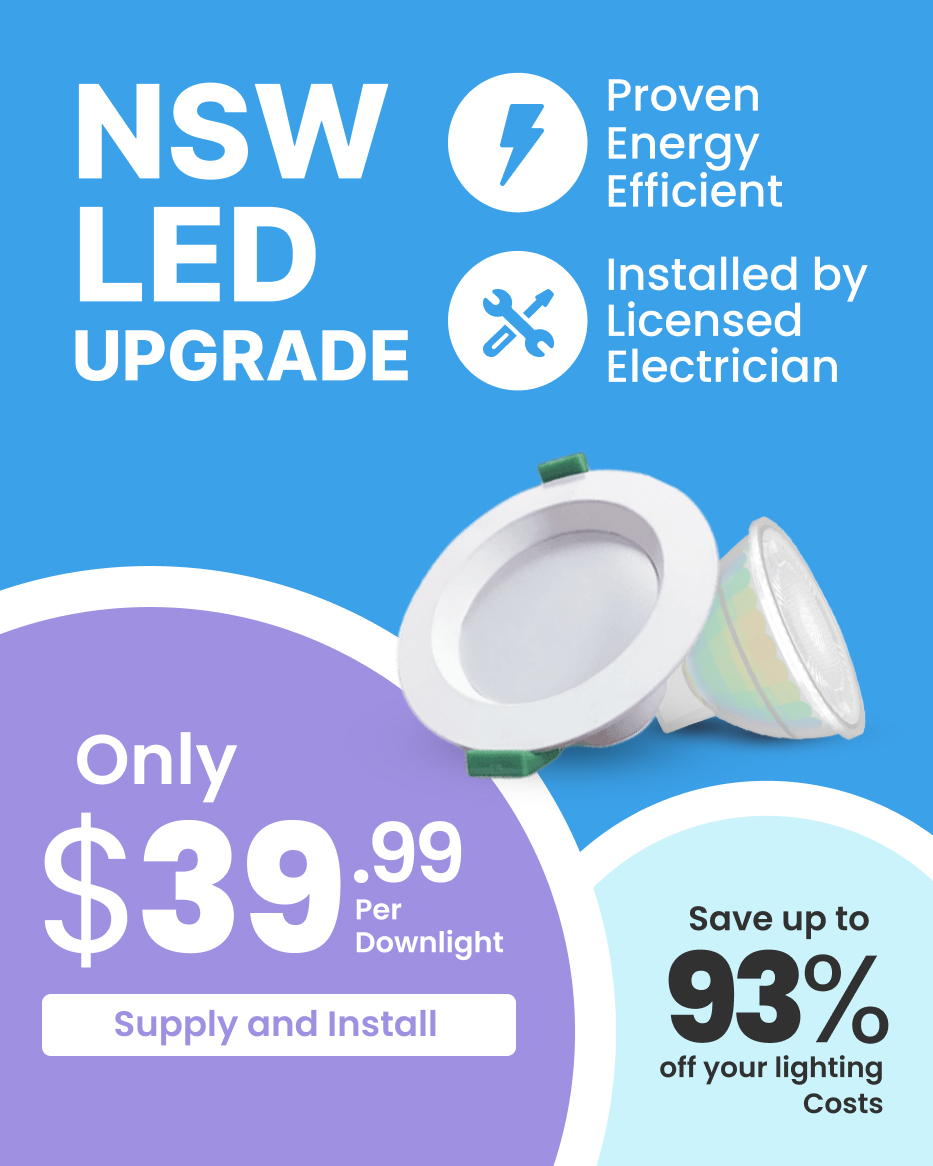



Our energy efficiency experts are here to answer all your questions and guide you through the products, rebates, and installation process.

Upgrade now, pay later with