
For Sydney homeowners wanting to replace an old electric or gas hot water system, a heat pump can provide a […]

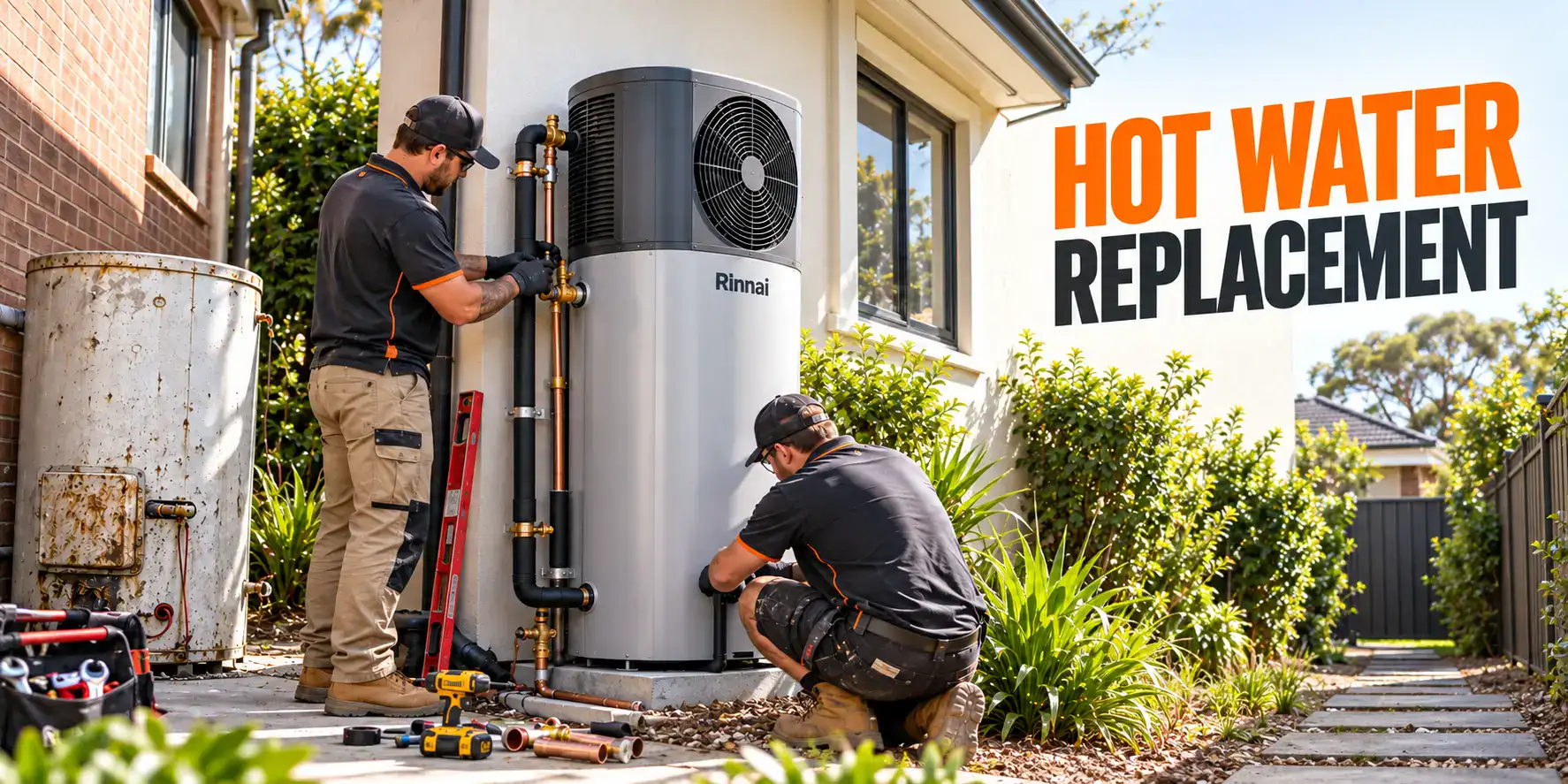
Hot water replacement means removing an existing water heater and installing a new system that suits your home’s hot water needs. Replacement usually becomes necessary when a system leaks, breaks down repeatedly, struggles to provide enough hot water, or becomes too expensive to repair.
When that happens, many homeowners rush into a like-for-like replacement. We advise against it without getting proper advice first. Your household may have changed, and there may be more efficient options that better suit your needs.
So before you replace your hot water system, here is what you need to know about your options, costs and available NSW support.
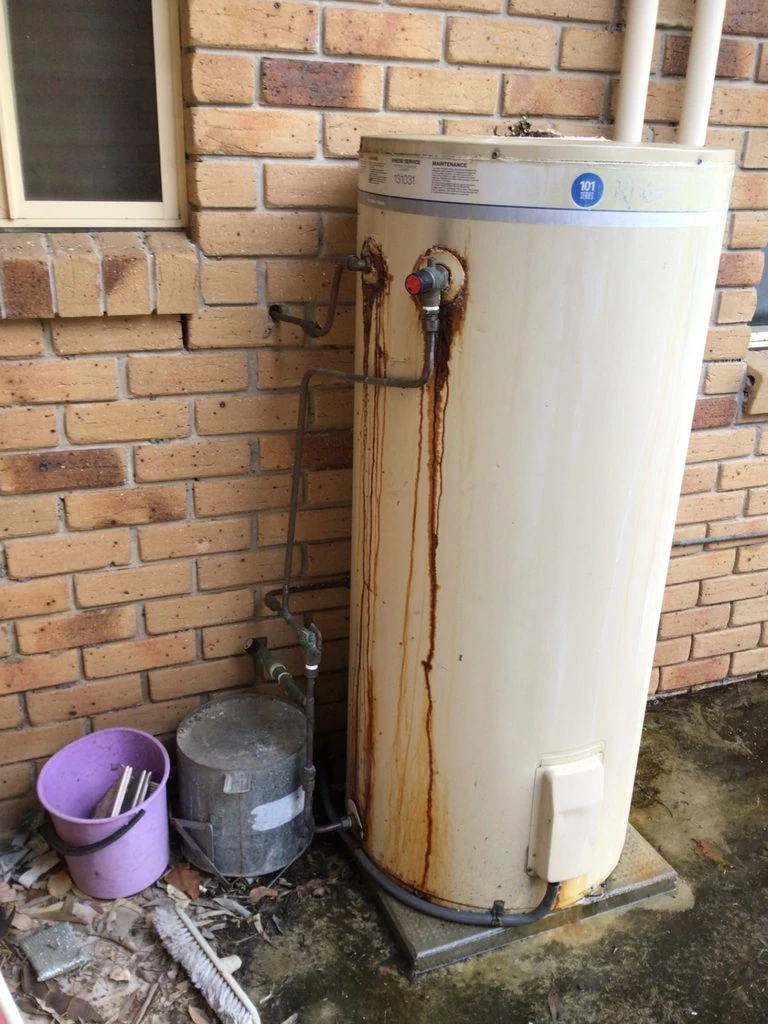
You don’t always need to replace a hot water system just because it has stopped working. Some problems can be repaired, especially when the fault is with one component and the rest of the system is still in good condition.
However, replacement starts to make more sense when the system is getting old, repairs are becoming more frequent or it can no longer meet your household’s hot water needs.
Some common signs include:
You should usually repair your hot water system when the fault is limited to one component and the rest of the system is in good condition.
Replacement makes more sense when the tank is leaking, the system is badly corroded, repairs keep coming back or the unit is reaching the end of its service life.
Repair can make sense when the system is relatively young and the fault is limited to a replaceable component, such as:
Consider replacement when:
We discourage homeowners from automatically choosing a like-for-like replacement because the old system may no longer suit the home or be the most cost-effective option.
Your household, hot water use, or energy setup may have changed, and more efficient options such as heat pumps are now available. An eligible upgrade may also qualify for an NSW upfront discount, which can reduce the replacement cost.
That is why we look at your home, existing system and available options first. A like-for-like replacement may be right, but it should suit your needs now, not simply replace what was there before.
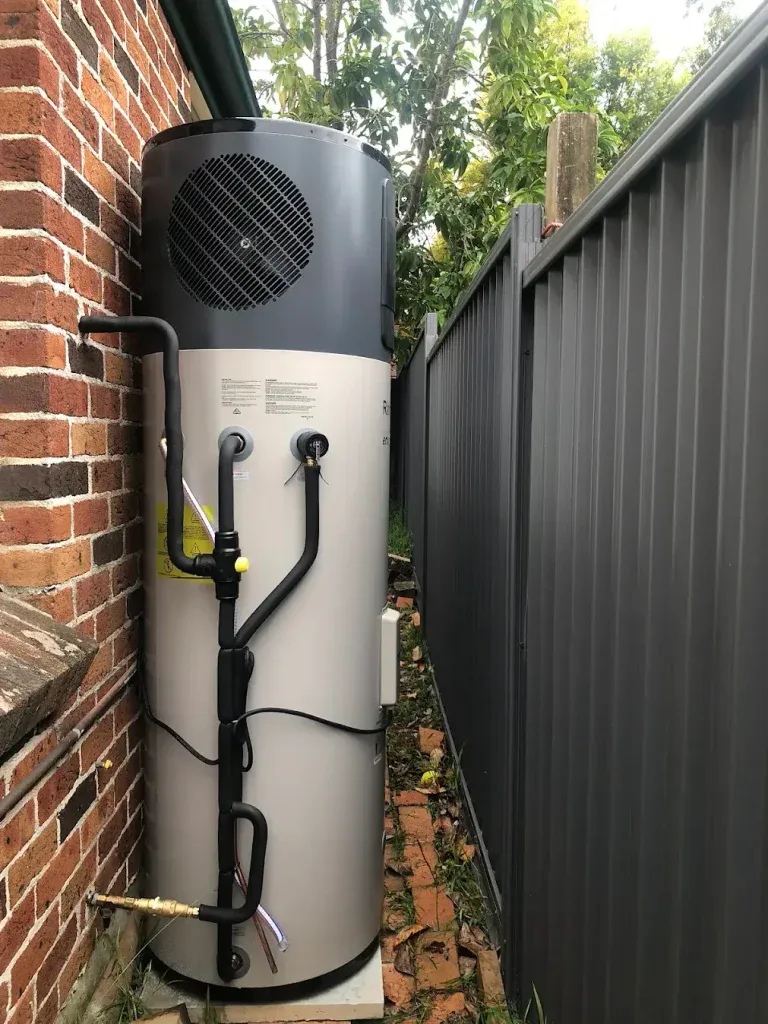
In Australia, hot water replacement generally costs around $1,000 to $5,000 supplied and installed, depending on the system type, size, and installation requirements. Below is a quick overview:
| System type | Typical installed cost |
| Electric storage | $1,000 to $2,500 |
| Gas | $1,500 to $4,000 |
| Heat pump | $2,500 to $5,000 |
| Solar hot water | $3,000 to $6,000 |
These are general price ranges, so the actual cost can vary from one home to another. We consider the system you need, its capacity, the existing plumbing and electrical connections, the installation location and any additional work required before calculating the replacement cost.
We also check whether an eligible government incentive can reduce your upfront cost.
Rather than charging every homeowner the same amount, we assess the existing system and installation first, then provide a quote based on the actual work required.
There is no single hot water system that is right for every NSW home. The right choice depends on your household, how much hot water you use, the energy sources available at the property and what you want from the replacement. Here are the main options to consider:
Heat pumps use electricity to move heat from the surrounding air into the water rather than generating heat directly with an electric element. This makes them much more efficient than conventional electric storage systems, with typical heat pump COPs of around 3 to 5 compared with around 0.95 for new electric storage systems.
Because they use much less electricity, heat pumps can significantly reduce hot water running costs. The NSW Government estimates savings of around $200 to $800 a year compared with a traditional system. They can also cut hot water energy use by up to 75%.
They are particularly worth considering when replacing an older electric or gas system. They also work well with rooftop solar because the system can operate during the day when solar electricity is available.
Depending on the climate and system, solar hot water can provide up to 90% of a home’s hot water. They use solar collectors to absorb energy from the sun and heat water stored in a tank. A booster provides additional heating when there is not enough solar energy available.
Solar hot water can keep the energy needed to heat water very low because most of the heating comes from the sun. We often look at it as a good option for homes with strong solar access and suitable roof space.
Electric hot water systems can either store hot water in a tank or heat it as it is needed through an instantaneous system. Electric storage systems use a heating element inside an insulated tank, while instantaneous systems heat the water directly as it flows through the unit.
Electric storage systems are simpler and generally cheaper to buy than heat pumps, but they are much less efficient. They can still make sense where hot water use is relatively low or where rooftop solar can be used to heat the water during the day.
Gas hot water systems heat water by burning gas, either in a storage tank or as an instantaneous system. Instantaneous gas systems are generally more efficient than gas storage systems.
A gas system can suit a home with an existing gas connection and a preference for instantaneous hot water. Replacing an existing gas system is also generally cheaper than installing gas for the first time. Labour typically costs around $500 to $800 for a replacement, compared with $1,500 to $3,000 for a new installation.
When choosing a replacement, look at the system you have now, your household’s hot water needs, running costs, available space and the energy sources at your property. From there, you can compare whether another system or an upgrade makes more sense.
| Upgrading from | Consider | Reason |
| Electric storage | Heat pump | Much higher efficiency can reduce electricity use and running costs. |
| Electric storage | Electric storage | Can remain practical for low hot water use or where solar or cheaper electricity can power the system. |
| Gas storage | Heat pump | Moves the home away from gas and can significantly reduce the energy needed to heat water. |
| Gas instantaneous | Heat pump | Worth considering when replacing an aging gas system and looking to reduce gas use and running costs. |
| Solar hot water | Heat pump | A practical alternative when the solar system is aging, or the property no longer suits solar thermal. |
| Any ageing system | Compare efficient alternatives | The replacement is an opportunity to check whether a different system will better suit the home and its energy use. |
The final choice should also account for the space available, local climate and how the household uses hot water. The right upgrade is the one that can meet your household’s demand while making sense for the property’s energy use and your budget.
A straightforward hot water replacement usually takes around 2 to 4 hours when the new system goes in the same location with suitable existing connections. More involved replacements can take longer, particularly when changing system type or location.
A like-for-like replacement is usually the quickest because the plumbing and connections are already in place. Upgrading to a heat pump or solar hot water system can take longer because the installation may require additional electrical work, pipework, or other changes.
We assess the installation first so we can give you a realistic timeframe and minimize the time your household is without hot water.
Yes. NSW homeowners may be able to reduce the cost of replacing an old hot water system through an upfront hot water upgrade discount or a zero-interest Home Energy Saver Loan. Which option applies depends on the system you are replacing, the new system you choose, and your eligibility.
The NSW Government’s Hot Water Upgrade Incentive provides an upfront discount when an eligible old electric or gas water heater is replaced with an eligible heat pump system.
The indicative discount is up to $640 when replacing an electric water heater and up to $330 when replacing a gas water heater. The discount comes off the installation quote rather than being paid to you later as a rebate.
The Home Energy Saver Loan is a NSW Government-funded zero-interest loan that helps eligible homeowners and landlords pay for approved energy-saving upgrades over time. The loans are delivered through participating finance providers, including Brighte and Plenti.
For an eligible hot water upgrade, you can borrow up to $15,000 at zero interest, with repayments over up to 10 years. The program can help fund eligible heat pump and solar hot water systems, making it possible to spread the replacement cost rather than paying the full amount upfront.
Before replacing your old hot water system, it is worth checking which support you qualify for and whether it can reduce or spread the cost of your upgrade.
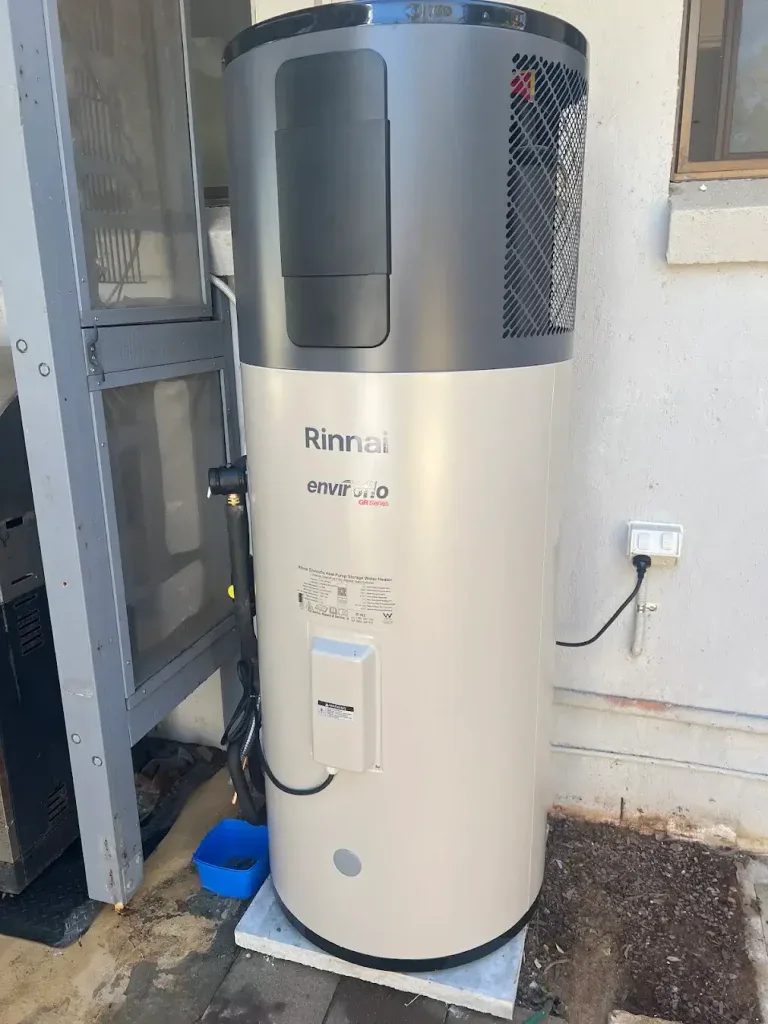
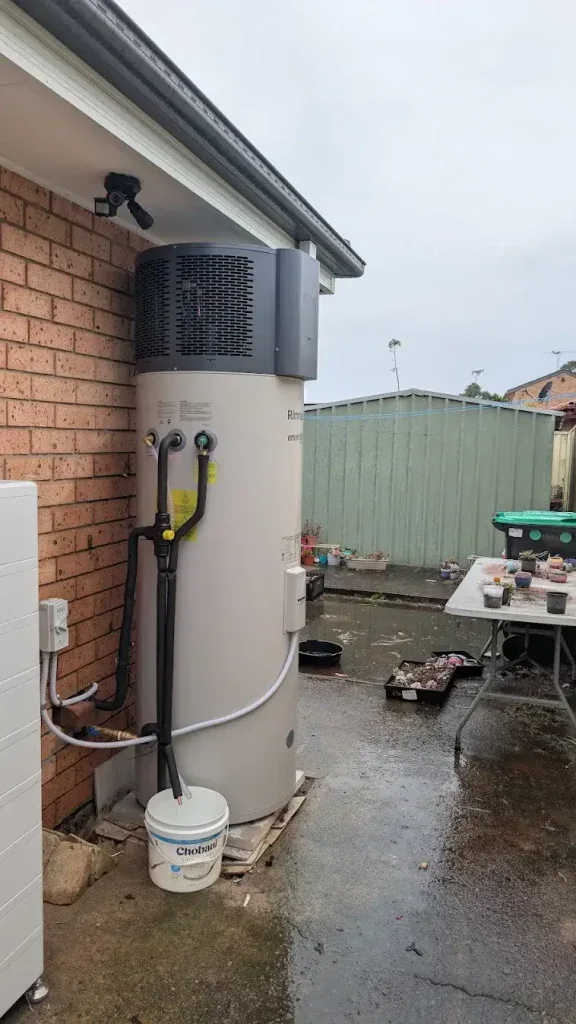
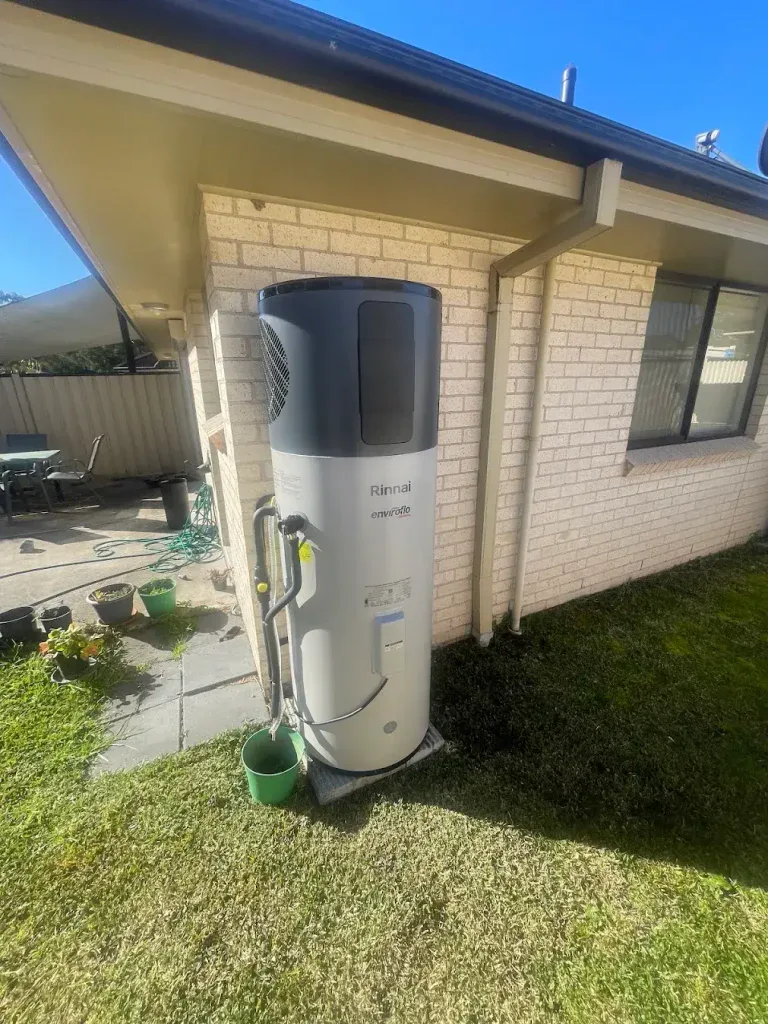
Professional help matters because the right replacement needs to suit your household, property and existing connections, not just fit where the old system was.
Our qualified installer can assess the existing system, recommend the right capacity, and make sure the new unit is installed safely and in line with NSW requirements. This is particularly important with heat pumps, which have specific plumbing and electrical installation requirements.
We can also help you check available incentives, complete the required paperwork, and arrange the installation, including the documentation needed for an eligible upgrade.
That means the replacement is properly assessed from the start, rather than simply removing the old system and putting another in its place.
With hot water heating accounting for up to 30% of household energy use, the system you choose should help you lower your energy use and ongoing hot water costs. Our mission at E Green Electrical is to help you make that choice with the right advice, a suitable system and a professional installation.
We assess your existing hot water system, household needs and property before recommending the replacement options that make sense for you. We can also help you check available incentives and arrange the installation from start to finish.
Need to replace your hot water system? Talk to E Green Electrical today for advice and a clear quote.
For Sydney homeowners wanting to replace an old electric or gas hot water system, a heat pump can provide a […]

In NSW, eligible households may receive an upfront discount when replacing an existing electric or gas water heater with an […]
For most people, buying a hot water system is only a priority when building a new home, moving in, or […]
The best hot water system for commercial use is a properly sized heat pump. It can use significantly less electricity […]







Our energy efficiency experts are here to answer all your questions and guide you through the products, rebates, and installation process.

Upgrade now and pay later with the Home Energy Saver Program!