
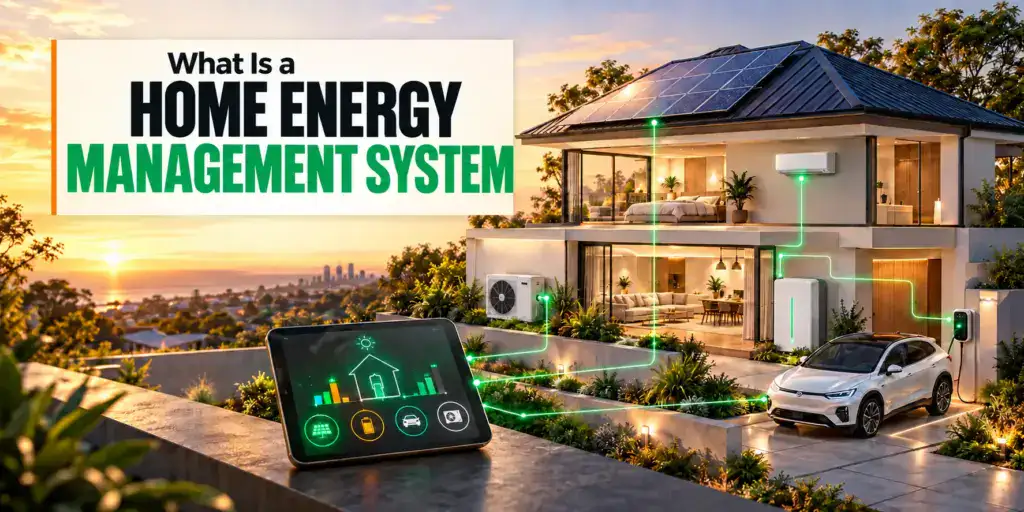
A Home Energy Management System (HEMS) helps you manage how your home generates, stores and uses electricity. That becomes more […]

In this article, you will learn practical and effective tips to save electricity, reduce your energy bills, and contribute to a more sustainable environment, all while maintaining the comfort and convenience of your home or workplace.
Electricity is an important part of our lives – it keeps our homes lit and our appliances running and gives us the power we need to live comfortably. But because it’s such a vital resource, it can also be one of the most expensive utilities to manage.
The good news is that there are several ways to save electricity.
By making a few simple changes in your home or office, you can cut down on your energy consumption and save yourself some money in the process.
Most people would say yes, especially if it leads to lower energy bills. After all, who doesn’t want to save money? But saving on electricity isn’t just about saving money. It’s also about conserving a valuable resource.
Electricity is generated by power plants, which use a variety of fossil fuels to produce energy. By using less electricity, we can reduce our reliance on these fossil fuels and help preserve the environment.
Heating and cooling systems are one of the biggest electricity users in Australian homes, accounting for up to 40% of household energy use in some climates. The cost is especially higher for homes where the system runs for long hours or is used in almost every occupied room throughout the day.
To reduce heating and cooling electricity usage:
Australian energy guidance suggests each additional degree of heating or cooling may increase energy use by roughly 5–10%.
Older refrigerators, dryers, air conditioners, and hot water systems often use far more electricity than newer, more efficient models.
In Australia, appliances that are 10–15+ years old can use 10–50% more electricity than modern, efficient models, even when they appear to be working fine.
If you have such appliances, swap them with:
By doing so, you can reduce electricity consumption without changing your daily habits. It simply makes your home more efficient in the background.
Water heating commonly accounts for around 15–30% of household energy use in Australian homes.
Traditional electric storage systems continuously reheat water throughout the day, increasing electricity costs. Heat pump hot water systems are much more efficient because they extract heat from the surrounding air instead of generating heat directly.
This technology uses 60–75% less electricity than conventional electric storage systems. That means if your annual hot water cost is around $1,000, switching to a heat pump system could potentially reduce it to roughly $250–$400 per year!
Additional ways to reduce electricity use in heating water include:
Most electricity used during laundry cycles often comes from heating water rather than running the washing machine itself.
Water heating may account for up to 90% of the energy used during hot wash cycles.
To reduce laundry electricity usage:
Modern detergents are designed to clean effectively in cold water, so in most cases, you will still get the same cleaning results without the extra electricity cost.
Clothes dryers are among the highest-energy appliances in Australian homes because they generate continuous heat during operation.
Many electric dryers consume between 1,800 and 5,000 watts while running.
To reduce dryer electricity usage:
Even moderate reductions in dryer use can noticeably reduce electricity bills because of the appliance’s high energy demand.
Poorly sealed homes allow up to 25% of conditioned air to escape through gaps around doors, windows, and vents. This forces your HVAC system to run longer and harder to maintain your target temperature.
Air commonly escapes through:
According to Australian energy efficiency guidance, improving insulation and sealing air leaks can reduce heating and cooling energy demand by roughly 15–25% in some homes.
Roof insulation is especially important because large amounts of heat can enter or escape through ceilings during extreme Australian temperatures.
Ceiling fans improve airflow and help you feel cooler while using far less electricity than air conditioners. In many Australian homes, they are one of the simplest ways to reduce cooling costs, especially during mild or shoulder-season weather.
Just see how they compare:
| Appliance | Approximate Watt Usage |
| Ceiling fan | 15–90 watts |
| Portable fan | 50–100 watts |
| Air conditioner | Hundreds to several thousand watts |
As you can see, a ceiling fan uses only a fraction of the electricity required by an air conditioner. In many cases, using fans first can delay or even reduce the need to switch on cooling systems.
For better efficiency:
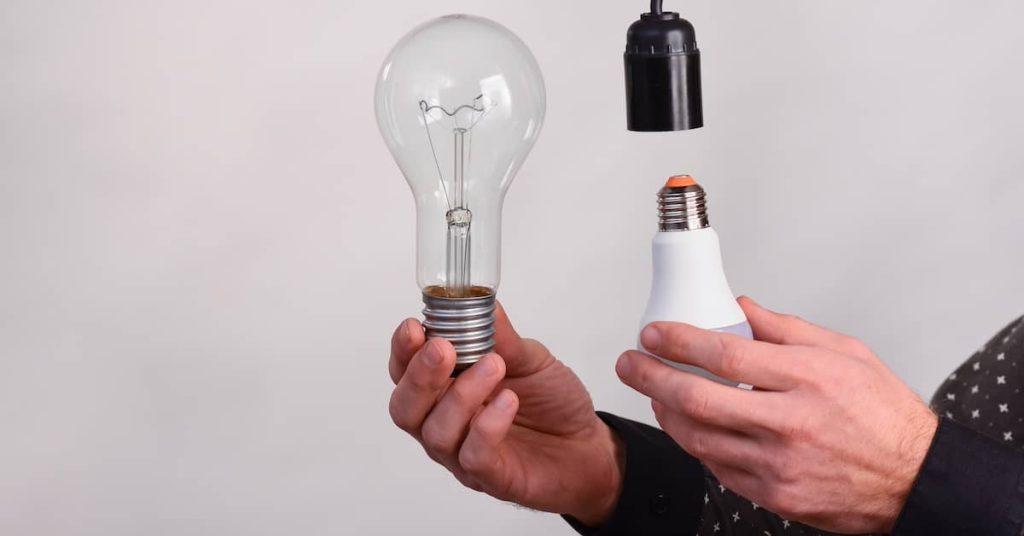
Lighting typically accounts for around 5–10% of household electricity use in Australian homes. Traditional lights like incandescent bulbs and halogens require more wattage to deliver the same brightness as LED equivalents.
Let’s have a look at how they actually compare:
| Bulb Type | Typical Watt Usage |
| Incandescent bulb | 60 watts |
| Halogen bulb | 35–50 watts |
| LED equivalent | 8–12 watts |
As you can see, LED lights use up to 75% less wattage, so one sure way to save electricity and reduce the bill is to install them. They also last up to 15 times longer, additionally saving you the replacement costs associated with traditional lights.
Additional ways to reduce lighting electricity costs in Australia include:
Many electronic devices continue to use electricity even when switched off. This is known as standby power or phantom load.
Standby electricity may account for around 3–10% of household electricity usage, depending on appliance types and household behaviour.
You can save this portion of electricity usage by turning devices off at the socket or using switched power boards to fully disconnect them when not in use.
Devices commonly using standby electricity include:
Using switched power boards makes it easier to disconnect multiple devices completely when not in use.
Solar power is one of the most effective ways to reduce electricity costs in Australia because it allows you to use sunlight to run your home instead of paying for grid electricity.
A typical rooftop solar system produces the most power during 10 AM–3 PM, which is the best time to run major appliances.
To maximise savings:
Adding a battery system stores extra solar energy instead of sending it back to the grid. This stored energy can then power your home at night, reducing reliance on expensive evening electricity.
In Australia, many energy plans use time-of-use tariffs, where electricity is cheaper at night and more expensive during evening peak hours (around 4 pm–9 pm). Heavy appliances used during peak time cost more per use, even if the amount of power is the same. Shifting usage to off-peak hours helps you pay less for the same electricity. It’s one of the simplest bill-reduction strategies.
To reduce high-load appliance electricity costs:
Depending on your retailer and tariff, shifting usage can reduce electricity costs by around 20–40%.
Australian households can reduce bills through federal and state energy rebates, but many people don’t claim them. These programs offer bill credits or discounts to ease electricity costs. Availability depends on your state, and eligibility often includes income or concession status.
To reduce electricity costs through government rebates:
Savings can reach hundreds of dollars per year.
Pool pumps can quietly increase electricity bills if they run longer than needed. Many Australian homes overuse them for “safety,” but modern systems don’t require constant operation. Adjusting runtime and upgrading equipment makes a big difference.
To reduce electricity use:
This can reduce pool-related electricity use by 30–70%, depending on system age and settings.
Indoor cooking adds heat, which increases cooling costs in warmer Australian climates. Using outdoor cooking reduces both cooking energy and air-conditioning load at the same time. It works especially well in summer.
To further reduce electricity use during cooking:
This lowers both cooking and cooling costs.
Electric ovens use a lot of power due to long heating times. Microwaves and air fryers cook faster and use up to 70–80% less electricity, making them more efficient for daily meals.
To reduce electricity use:
If you want to reduce outdoor electricity use, apply glow-in-the-dark paint or markers along paths, steps, or driveway edges. These materials absorb sunlight during the day and glow softly at night, helping you move around safely without switching on lights.
Here is what you should do to reduce electricity use:
This works because it replaces powered outdoor lighting with stored daylight energy.
Many households unknowingly waste electricity through inefficient appliances, poor insulation, or unnoticed standby consumption. A home energy audit helps identify where electricity is being lost and which devices are responsible for excessive usage. This is one of the most effective ways to uncover hidden savings opportunities.
To conduct an energy audit:
Energy audits can reveal 10–25% of hidden electricity waste in typical homes.
Many homes waste electricity by plugging low-power devices (chargers, routers, LEDs) and high-power appliances into the same boards or outlets. This creates small inefficiencies and standby losses that build up over time.
To reduce electricity waste:
This helps cut hidden power waste without changing your daily routine.
If extension cords are too long, electricity loses a small amount of power as it travels through the cable. This forces appliances to work slightly harder and less efficiently, especially high-load devices like kettles, heaters, and washing machines. The effect builds up when multiple extensions are connected together.
To reduce this electricity waste:
This helps appliances run at stable power levels and prevents hidden energy loss.
If you have parts of your home that remain dark even during the day, set up mirrors to reflect natural sunlight into those spaces. This helps you spread daylight further instead of relying on artificial lighting during daytime hours. It’s especially useful in hallways, corners, and interior rooms that don’t get direct sunlight.
To reduce electricity through mirror reflection use:
This works because you are redistributing natural light instead of switching on extra lights during the day.
| # | Strategy | Actionable Tip | Potential Impact |
|---|---|---|---|
| 1 | Manage Climate Control | Set AC to 24–26°C and heating to 18–20°C. | 40% of total bill |
| 2 | Upgrade Appliances | Swap 10+ year-old units for high Energy Star models. | 10–50% per appliance |
| 3 | Heat Pump Hot Water | Replace electric storage with heat pump technology. | Up to 75% savings |
| 4 | Cold Water Wash | Use cold cycles and full loads for laundry. | 90% less laundry energy |
| 5 | Air Dry Clothes | Use the hills hoist instead of the electric dryer. | High — saves ~3,000W+ |
| 6 | Seal Air Leaks | Use weather strips and door snakes for drafts. | 15–25% efficiency boost |
| 7 | Ceiling Fans | Use fans instead of AC during mild weather. | 90% less than AC use |
| 8 | LED Lighting | Replace halogens and old bulbs with LEDs. | 75% less lighting cost |
| 9 | Kill Standby Power | Switch electronics off at the wall or power board. | 3–10% of total bill |
| 10 | Solar & Battery | Run heavy loads such as washers and pumps from 10am–3pm. | Massive grid reduction |
| 11 | Off-Peak Timing | Shift dishwasher and laundry use to after 9pm. | 20–40% lower tariffs |
| 12 | Energy Rebates | Check eligibility for State/Federal bill credits. | Hundreds of dollars/year |
| 13 | Pool Pump Settings | Run pumps for 4–6 hours during off-peak times. | 30–70% pool savings |
| 14 | Outdoor Cooking | Use the BBQ in summer to keep the house cool. | Lowers AC load |
| 15 | Air Fryer vs. Oven | Use microwaves or air fryers for small meals. | 70–80% less than oven |
| 16 | Glow Path Markers | Use glow-in-the-dark paint for outdoor steps. | Replaces powered lights |
| 17 | Energy Audit | Use a monitor to find energy vampire devices. | 10–25% waste reduction |
| 18 | Smart Socket Use | Plug heavy appliances directly into wall sockets. | Reduces hidden loss |
| 19 | Shorten Cables | Avoid long extension leads for heaters or kettles. | Improves efficiency |
| 20 | Mirror Lighting | Bounce natural sunlight into dark halls with mirrors. | Reduces daytime bulb use |
Enter your monthly bill and tick the tips you plan to use — see your estimated annual savings instantly.
These are the appliances that have Energy Saver or Energy Star seals and use technologies that consume less electricity for proper functioning.
These devices use energy-saving motors, sensors, and other parts that are carefully designed for low power consumption.
Moreover, they switch the operation after sensing the demand, and this process saves the electricity that otherwise would be wasted.
A switch to a variable-speed compressor and a smart thermostat could be a good idea if there is a need to lower energy consumption, as they continuously adjust temperature settings according to domestic/household activities.
Apart from that, you can also have it insulated and air ducts sealed to prevent energy loss. Furthermore, you can switch to a heat pump system that uses less electricity than a traditional one.
Smart power strips are devices that can automatically cut power when we are not using them so that we will not lose power from the standby mode. In some models, you get usage records via apps, helping you figure out and shut off devices that are draining the most electricity.
Insulation is the process of reducing the heat flow from your home while sealing gaps in windows and doors, which is the way to keep the air from leaking. This stabilises your home’s temperature and lessens the burden on the HVAC systems, which conserves electricity to a great extent.
LED lighting can convert an electrical current into light with greater efficiency since it uses semiconductor technology, while incandescent bulbs generate heat and thus, energy is wasted. They are more efficient by up to 85% and have an extended lifespan, making them perfect for minimising energy consumption.
Home energy monitors measure energy use as it is happening and, in the process, point out devices that use up a lot of power. This information can help to save electricity by guiding people to purchase new devices or change their patterns of using electricity.
A Home Energy Management System (HEMS) helps you manage how your home generates, stores and uses electricity. That becomes more […]
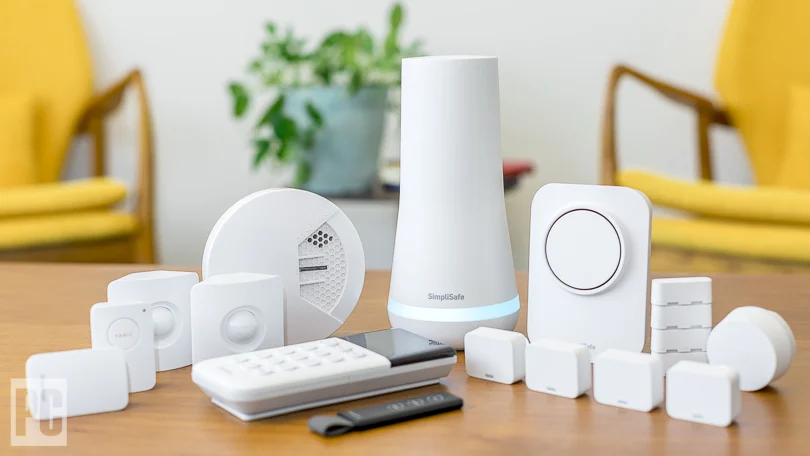
Are you tired of sky-high power bills? Imagine sipping a cold drink on a hot summer day, only to get […]
We’ve all been in a situation where you open your electricity bill, glance at the figure, and your jaw is […]
What is energy-efficient lighting? Energy efficient lighting means using less energy without compromising brightness and quality, which also means minimising […]

Our energy efficiency experts are here to answer all your questions and guide you through the products, rebates, and installation process.

Upgrade now and pay later with the Home Energy Saver Program!