
Quick Answer: Tesla Powerwall is best for those seeking a premium experience with a built-in solar inverter and superior whole-home […]
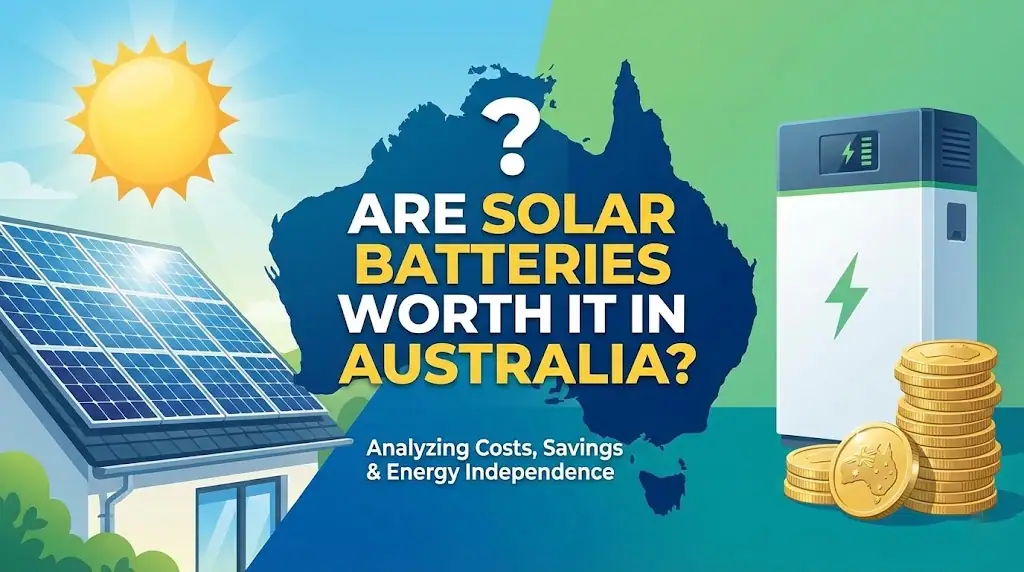
Quick Answer A solar battery can be worth it. It’s ideal if your household uses most electricity in the evening, feed-in tariffs are low, or blackouts are common. For low-use homes or high feed-in rates, the financial benefit is smaller.
Electricity prices are rising fast. Many households are feeling the pinch. Solar panels help, but batteries are still expensive. Some people buy them hoping to save money. Others want backup during blackouts.
The truth is, a battery works differently for every home.
It depends on how much energy you use and when. It also depends on where you live and the local electricity rates.
A solar battery stores the energy your panels produce during the day. You can use it at night or during peak pricing. But will it actually pay for itself? That’s the question most homeowners want answered.
Prices vary a lot depending on the battery’s size, brand, and whether installation is included. Knowing typical costs helps avoid surprises.
✅ Note: Prices differ depending on brand, installer, and state.
A battery can save money, but how much it depends on several factors. ROI and payback period are two key numbers that tell you if a battery makes sense.
✅ Remember: Shorter payback doesn’t always equal better value. The battery may also provide backup power and energy independence, which adds value beyond pure dollars.
The payback period depends on your energy habits and local electricity prices.
✅ Quick Recap: Batteries take longer to pay off than panels, but they provide backup and energy independence.
Several elements determine how much a battery saves. These factors influence payback and overall value.
How and when you use electricity matters a lot. If your home consumes most power during the day when panels are producing, a battery adds little financial benefit. But if your household uses power in the evening or at night, the stored energy reduces the need to buy expensive grid electricity. Evening-heavy homes often see faster payback.
Feed-in tariffs are payments you receive for sending solar energy back to the grid. When tariffs are low, exporting energy isn’t lucrative, so storing it in a battery makes more sense. High feed-in tariffs might make exporting more profitable than storing, reducing the incentive for a battery.
Time-of-use tariffs create opportunities for savings. Using stored energy during peak periods avoids paying high grid rates. Flat-rate plans provide smaller savings, but batteries can still reduce overall consumption costs.
Choosing the right size is crucial. Oversized batteries cost more than needed and may not improve savings. Undersized batteries limit the energy you can store, reducing benefits. Matching battery capacity to your household needs and solar output maximises efficiency and ROI.
✅ Tip: Bigger isn’t always better. Pick a battery that fits your consumption.
Location affects how much a battery saves. Electricity prices, incentives, and blackout frequency vary across states.
✅ Good to Know: Some states offer rebates or incentives that can shorten the payback period and reduce upfront costs.
A battery isn’t just about numbers on a spreadsheet. There are several ways it can help your household financially, even beyond the direct electricity savings.
✅ Remember: ROI isn’t the only reason people install batteries. Lifestyle and energy security often matter just as much.
A battery isn’t for every household, but certain situations make it very attractive.
Some households may not benefit enough to justify the investment.
✅ Warning: Installing a battery without checking your usage patterns can lead to disappointing savings.
Even if a battery isn’t automatically profitable, smart planning can make a difference.
✅ Tip: Smart habits and monitoring can significantly improve returns, sometimes shaving years off the payback period.
So, is a solar battery worth it in Australia? The answer depends.
Your household’s electricity use, the local tariffs, available incentives, and lifestyle all play a part. Batteries offer more than financial savings. They give backup power, energy independence, and environmental benefits.
If your household uses a lot of electricity in the evening, lives in a state with low feed-in tariffs, or experiences blackouts, a battery can be a smart addition. But if your usage is low, feed-in rates are high, or you don’t plan to stay long in your home, the financial return may not justify the cost.
Depending on your rates, a well-sized battery can shave $1,000 to $2,000 off your annual power bill. The real savings come from avoiding those peak evening prices when electricity is most expensive. If you’re a heavy user at night, the battery pays for itself much faster than it would for a small household.
By the end of 2025, around 4.5–5% of Australian households with rooftop solar also had a battery installed, meaning battery uptake is still a small share compared with total solar homes, even though installations surged due to rebates.
Most solar batteries last between 5 and 15 years, depending on the type and how they’re used.
Lithium-ion batteries usually last longer, while lead-acid models tend to wear out sooner. Good installation, sensible usage, and basic maintenance can help extend the battery’s lifespan.
A typical solar system covers 30–50% of a home’s electricity. Adding a battery can boost this to 80–100%, letting you use stored solar power instead of the grid.
Most solar batteries cost $4,000 to $13,000 installed, including the federal rebate.
Larger batteries usually give better value per kWh, and the price covers the battery, inverter (if needed), and installation.
The 20% rule means your solar system should produce about 20% more energy than your home usually needs. This extra helps cover cloudy days or months with higher electricity use.
For example, if your home uses 1,000 kWh per month, aim for a system that generates around 1,200 kWh.
If your home uses around 30 kWh per day, a 10 kWh battery can only cover part of that. To power your entire home, you would need a larger system, typically 40 to 80 kWh, plus smart energy use to stretch it through the night.
Quick Answer: Tesla Powerwall is best for those seeking a premium experience with a built-in solar inverter and superior whole-home […]

Quick Answer Adding a Battery to an Existing Solar System typically costs between A$8,000 and A$20,000+ in Australia. This will, […]

Key Takeaways More Australian households are looking at 10kW solar batteries for one simple reason. Power bills keep climbing, and […]

Australia’s energy landscape is shifting. With electricity prices climbing and solar feed-in tariffs dwindling, the “sunny country” is no longer […]







Our energy efficiency experts are here to answer all your questions and guide you through the products, rebates, and installation process.

Upgrade now, pay later with