
For Sydney homeowners wanting to replace an old electric or gas hot water system, a heat pump can provide a […]

Winter can make it harder for many of us in Australia to keep our homes comfortable.
It’s the season when the heater runs longer, hot water use tends to increase, and cold air can find its way through gaps around doors and windows. When this happens, we usually notice the difference in ongoing energy bills or reduced comfort.
Luckily, there are a few simple things you can fix around your home to make it more comfortable without using more energy. Some of these only take a few minutes, while others are worth considering when an appliance or system needs replacing.
In this article, we will show you 10 practical ways to improve your home’s energy efficiency this winter and save on your energy bills.
| Energy Efficiency Tip | Benefit |
| Seal Draughts | Stops warm air escaping. |
| Improve Insulation | Keeps heat inside for longer. |
| Use Winter Sun | Brings free warmth into the home. |
| Close Curtains at Night | Helps reduce heat loss through windows. |
| Heat Only Used Rooms | Avoids wasting energy on empty spaces. |
| Run Heating Efficiently | Reduces unnecessary energy use. |
| Reduce Hot Water Use | Lowers the energy needed to heat water. |
| Consider a Heat Pump | Can reduce electricity use for hot water. |
| Use Solar During the Day | Makes better use of your solar energy. |
| Choose Efficient Appliances | Reduces energy use over their lifetime. |
The first thing to do when saving energy this winter is checking for draughts around external doors, windows and other openings.
You should do this on a cold or windy day. Stand near window frames and door edges and run your hands around, with a particular focus underneath external doors. If you can feel cold air coming through, you have found a place where heat is escaping.
Once found, next replace any worn seals, use suitable weather stripping around those gaps and add a draught stopper beneath doors where needed.
Starting with these quick DIY fixes can help your home retain warmth for longer, and reduce the load on your heaters.
If your home quickly feels cold soon after the heater is switched off, poor insulation could be part of the problem.
To confirm this, start by checking the ceiling or roof space. If you notice missing, thin, damaged or uneven insulation, it may not be doing enough to slow heat loss.
In that case you’d need to add or upgrade insulation in the ceiling, walls or floors to help your home hold onto warmth for longer. Similar to sealing draught, this improves insulation and spares more energy on your heater.
At this point, your home is better at holding onto heat, now make use of the warmth you can get for free.
On sunny winter days, open curtains and blinds on windows that receive direct sunlight and let the sun warm the rooms naturally.
Pay attention to which windows get the most sun during the day. If these windows have curtains or such, keep those coverings open so the sun can enter and help to heat the space. There is no point blocking useful winter sunlight and then using more electricity to replace that warmth.
Once the sun goes down, switch from letting warmth in to keeping it inside.
Much as windows can allow daytime sunlight heat to penetrate in, they can as well help the same heat to escape at night or when it’s chilly outside. It’s especially possible when the glass is exposed to cold outdoor temperatures.
You should therefore close curtains and blinds in the evening, with more focus on the rooms you are heating. If your windows feel noticeably cold when you stand near them, consider thicker or thermal curtains that fit closely around them.
You can also check and seal any left gaps around the edges where cold air may enter. This will further reduce heat loss and help save on your energy bills.
If your family spends most of the evening in the living room, there is little reason to heat empty bedrooms, spare rooms or other unused areas to the same temperature.
The most rewarding decision is to close doors to rooms that do not need heating and concentrate warmth where people actually spend their time.
This is readily achievable particularly if you have separate heating controls. You can use them to avoid heating the whole house unnecessarily or even better reduce the temperature in less-used areas rather than leaving them fully heated.
The aim is to reduce wasted energy without making the rooms you use less comfortable.
Now that you are only heating the spaces you need, make sure your heating system is not using more energy than necessary. Set the thermostat to a comfortable temperature rather than turning it up excessively, and keep doors and windows closed while the heater is running.
If you use reverse-cycle air conditioning, clean the filters regularly so dust does not restrict airflow. Also, check the outdoor unit is clear of leaves, dirt and other obstructions.
These quick checks help the system move warm air more effectively and avoid unnecessary strain.
After heating your home, look at how much energy you use to heat water and try to adjust your routines. Start with the habits that are easiest to change. For example, shorten long showers, fix leaking hot water taps and use cold-water settings on your washing machine when they are suitable.
You can also check whether your hot water system is working efficiently. One way is checking how long it takes to recover hot water and the trend of your hot water energy consumption. If you suspect something, it may be worth having the system inspected.
And if the system is old, the best step is to consider whether replacing it could save even more.
Is your hot water system reaching the end of its life? Then compare its energy use with newer options before replacing it like-for-like.
Replacing your water heater with a heat pump hot water system could cut on energy consumption because it uses electricity to move heat from the surrounding air into the water, rather than relying solely on an electric heating element.
It’s even more rewarding if you already have rooftop solar. You can pair them together and time the heat pump to heat water whenever rooftop solar electricity is available. This directly reduces the amount of electricity you buy from the grid.
For those who have rooftop solar, check when your panels produce the most electricity. For many Australian homes, this happens around the middle of the day, although it can vary depending on the weather, panel direction and location.
Try to use some of your electricity during these hours. You could, for instance, run the washing machine, dishwasher or other suitable appliances at hours of maximum solar power instead of waiting until the evening.
It works even better if your appliances have timers. Set them to run during these hours so you can use more of your own solar power, rely less on the grid and keep the same level of comfort.
You do not need to replace every appliance in your home to save energy, but when an old appliance reaches the end of its life, it is worth choosing a more efficient model.
Replacing it with a similar or less efficient model could leave you using just as much electricity. Conversely, switching to a higher-rated model may help you use less energy for the same job.
Yes an efficient appliance may cost more to buy, however, it lower electricity use and help offset the higher upfront price over the years of saving.
Keeping your home comfortable through winter does not have to mean accepting higher energy bills.
The above practical changes are already helping millions of Australian households reduce energy use, improve comfort and make better use of the energy they pay for.
You do not need to tackle everything at once. Begin with the simplest changes you can do yourself, such as reducing draughts, using your heating more efficiently and making better use of sunlight.
In cases where you need a major upgrade or a problem is beyond a simple DIY fix, be sure to consult a qualified expert who can recommend the right solution for your home.
For Sydney homeowners wanting to replace an old electric or gas hot water system, a heat pump can provide a […]

If you own or rent a property in NSW, you can make eligible home energy upgrades without paying the full […]
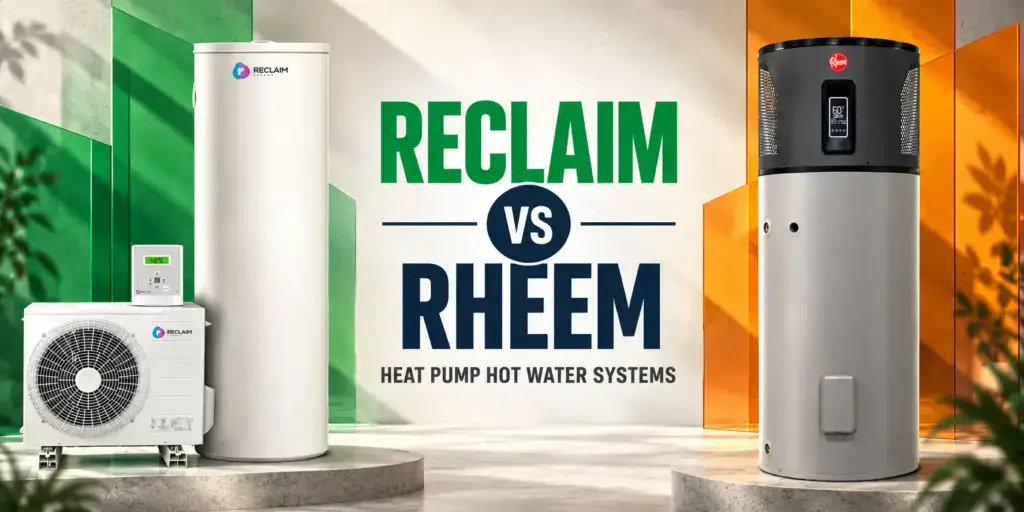
Quick Answer If you are choosing between Reclaim and Rheem, the better option depends on what matters most to you. […]
Quick Overview If you are a commercial property owner, facility manager, or business operator in Australia and plan to install […]



Our energy efficiency experts are here to answer all your questions and guide you through the products, rebates, and installation process.

Upgrade now and pay later with the Home Energy Saver Program!