
For Sydney homeowners wanting to replace an old electric or gas hot water system, a heat pump can provide a […]

If you own or rent a property in NSW, you can make eligible home energy upgrades without paying the full cost upfront. The NSW Government has put in place the Home Energy Saver program to help eligible landlords and renters access financial support for energy-saving upgrades.
The program offers zero-interest loans of up to $15,000, repayable over up to 10 years, for eligible property owners, including landlords. Eligible renters can access discounts of up to $4,000, although they need their landlord’s approval before an eligible upgrade can be installed in a rental property.
The support covers upgrades including rooftop solar, residential batteries, switchboard upgrades, heat pump water heaters, solar water heaters, reverse-cycle air conditioners, induction cooktops, EV Level 2 chargers, DC ceiling fans, ceiling insulation, draught-proofing, double glazing and NatHERS assessments.
This article explains what the Home Energy Saver loan is, what upgrades it covers, how landlords and renters can qualify and how both can work together to improve a rental property.
The Home Energy Saver is a NSW Government program that helps eligible households make energy saving upgrades through two types of support: a zero interest loan of up to $15,000 or a discount of up to $4,000. The program was introduced on 17 June 2026 to help reduce the upfront cost of upgrades that can make homes cheaper to run and more comfortable.
Eligible homeowners and landlords can access the zero interest loan, while eligible homeowners and renters can access the discount. If you qualify for both, you may be able to use them on the same purchase, but the NSW Government recommends applying for the discount first.
Repayments can be spread over up to 10 years, with loans delivered through participating finance providers Brighte and Plenti. Loan applications are currently open, with no closing date listed by the NSW Government.
The loan is finance, not a grant, so the amount borrowed must be repaid.
The Home Energy Saver loan can be used for these eligible upgrades:
The NSW Government has specific product and eligibility requirements for each upgrade, so check the current loan guidelines before choosing a product or arranging installation.
To qualify for the Home Energy Saver loan as a landlord, you must own a residential property in NSW and be making an eligible energy-saving upgrade to that property. You must also:
The property must meet the program’s requirements, and the upgrade must be eligible under the Home Energy Saver guidelines. You should work with an approved finance provider, such as Brighte or Plenti, so they can assess your application and lending eligibility.
Once you meet all the loan conditions, you can apply for the zero-interest loan of up to $15,000.
If you rent a property in NSW, you may be eligible for a Home Energy Saver discount of up to $4,000 to help with an eligible energy-saving upgrade.
To qualify, you must:
The discount can help you access eligible upgrades that improve the energy efficiency and comfort of your rental home. However, you need your landlord’s permission before the upgrade can be made.
This means you cannot simply arrange an upgrade yourself. You need to talk to your landlord about the improvement you want, explain the available Home Energy Saver support and get their approval before the work goes ahead.
The easiest way to make the Home Energy Saver program work for a rental property is for the landlord and renter to discuss the upgrade together. The renter can identify an energy-saving improvement they need, while the landlord can decide whether the upgrade is suitable for the property.
For example, a renter may raise the need for better heating and cooling, insulation, solar or an efficient hot water system. The landlord can then check whether the proposed upgrade is eligible under Home Energy Saver and agree to the work.
The NSW Government specifically encourages landlords to discuss the program with their tenants. As said earlier, eligible renter may qualify for the up to $4,000 discount, while an eligible landlord can access the up to $15,000 zero-interest loan.
A practical approach is:
This gives both sides a clear role. The renter can raise an improvement that could lower energy use and make the home more comfortable, while the landlord can improve the property with financial support available through Home Energy Saver.
Yes, you can use the Home Energy Saver discount and zero-interest loan together if you are eligible for both. The discount can provide up to $4,000, while the loan can provide up to $15,000 towards an eligible upgrade.
The important part is the order. You should apply for the discount first, then use the Home Energy Saver loan to cover the remaining cost of the same purchase if you qualify for the loan.
For example, if an eligible upgrade costs more than $4,000, the discount can cover up to $4,000 of the cost. You may then use the zero-interest loan to cover the remaining amount, subject to the finance provider’s approval.
If you take the loan first, you cannot later apply the discount to that same purchase. You would need to use the discount on a separate purchase instead.
At the time of writing, loan applications are open, while discount applications are coming soon. If you want to use both on the same purchase, the NSW Government recommends waiting for the discount applications to open and applying for the discount first.
For an investment property owner, the main opportunity is to spread the cost of an eligible energy upgrade over time instead of paying the full amount upfront.
You can borrow up to $15,000 at zero interest and repay the loan over up to 10 years. You do not have to borrow the full $15,000. You can apply for the amount required for the eligible upgrade, subject to the finance provider’s assessment and approval.
This can be useful when a rental property needs an upgrade such as:
The investment remains with the property, so the landlord is funding an improvement to an asset they own rather than paying for a temporary household expense.
The tenant can also benefit from the upgrade. For example, a more efficient hot water system or reverse-cycle air conditioner can improve comfort and reduce the energy required to run the home.
The practical process is straightforward:
Check your eligibility → choose an eligible upgrade → select a participating finance provider → obtain quotes → apply for the loan.
For landlords, the strongest strategy is to identify upgrades that make sense for the property rather than borrowing simply because finance is available.
Before you apply, make sure you know which Home Energy Saver support you qualify for and whether the upgrade you want is eligible.
As a landlord, check that you meet the loan requirements, own the property and choose an eligible upgrade. Your application and lending eligibility will then be assessed by the finance provider.
As a renter, check that you are named on the lease and meet the $80,000 household income or concession-card requirement for the discount. You also need your landlord’s approval before the upgrade can go ahead.
You should also check the approved supplier requirements before choosing an installer. Home Energy Saver loans use participating finance providers and approved suppliers, who provide quotes and support the upgrade process.
If you want to use both the discount and loan for the same purchase, apply for the discount first. The NSW Government says that taking the loan first means you cannot later apply the discount to that same purchase. The discount applications are currently listed as coming soon, while loan applications are open. So, if you need both types of support for the same upgrade, the safest approach is to wait for the discount applications to open and apply for it first.
Whether you own or rent, the best place to start is with the property itself. Look at where energy use, comfort or outdated equipment could be improved, then discuss practical upgrades with the other party where approval is needed.
Landlords should consider which improvements make sense for the long-term value and efficiency of the property, while renters should raise upgrades that could make their home more comfortable and affordable to run. A straightforward conversation can help both sides find an upgrade that works for the property and the people living in it.
Before committing to any work, check the current Home Energy Saver requirements and make sure you understand what support is available to you. If you are unsure which upgrade suits your property or how to get started, E-Green Electrical can help you assess your options, choose a suitable energy solution and arrange professional installation.
For Sydney homeowners wanting to replace an old electric or gas hot water system, a heat pump can provide a […]
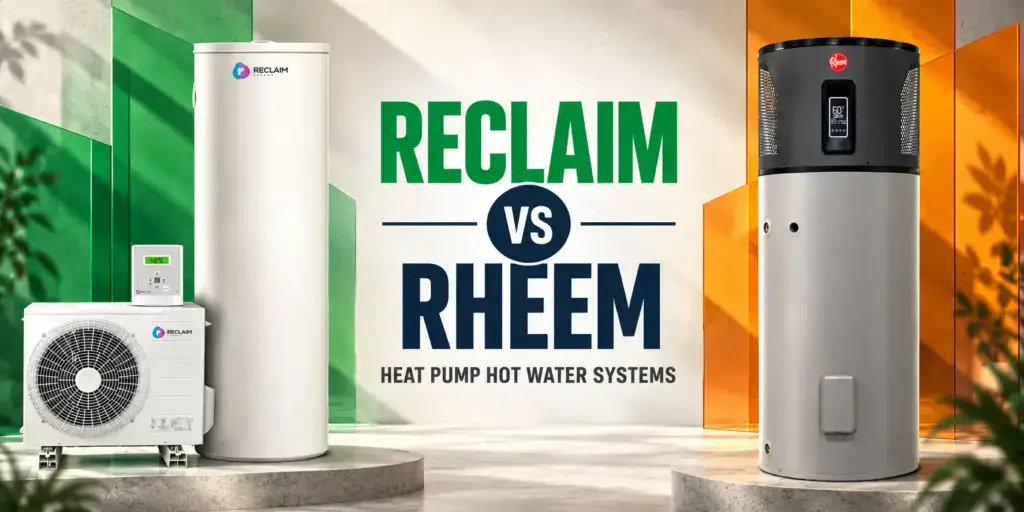
Quick Answer If you are choosing between Reclaim and Rheem, the better option depends on what matters most to you. […]
Quick Overview If you are a commercial property owner, facility manager, or business operator in Australia and plan to install […]
Quick Answer For many Sydney homes, 10kW is the better value choice when the household uses around 25 to 40kWh […]



Our energy efficiency experts are here to answer all your questions and guide you through the products, rebates, and installation process.

Upgrade now and pay later with the Home Energy Saver Program!