
Are you tired of sky-high power bills? Imagine sipping a cold drink on a hot summer day, only to get […]

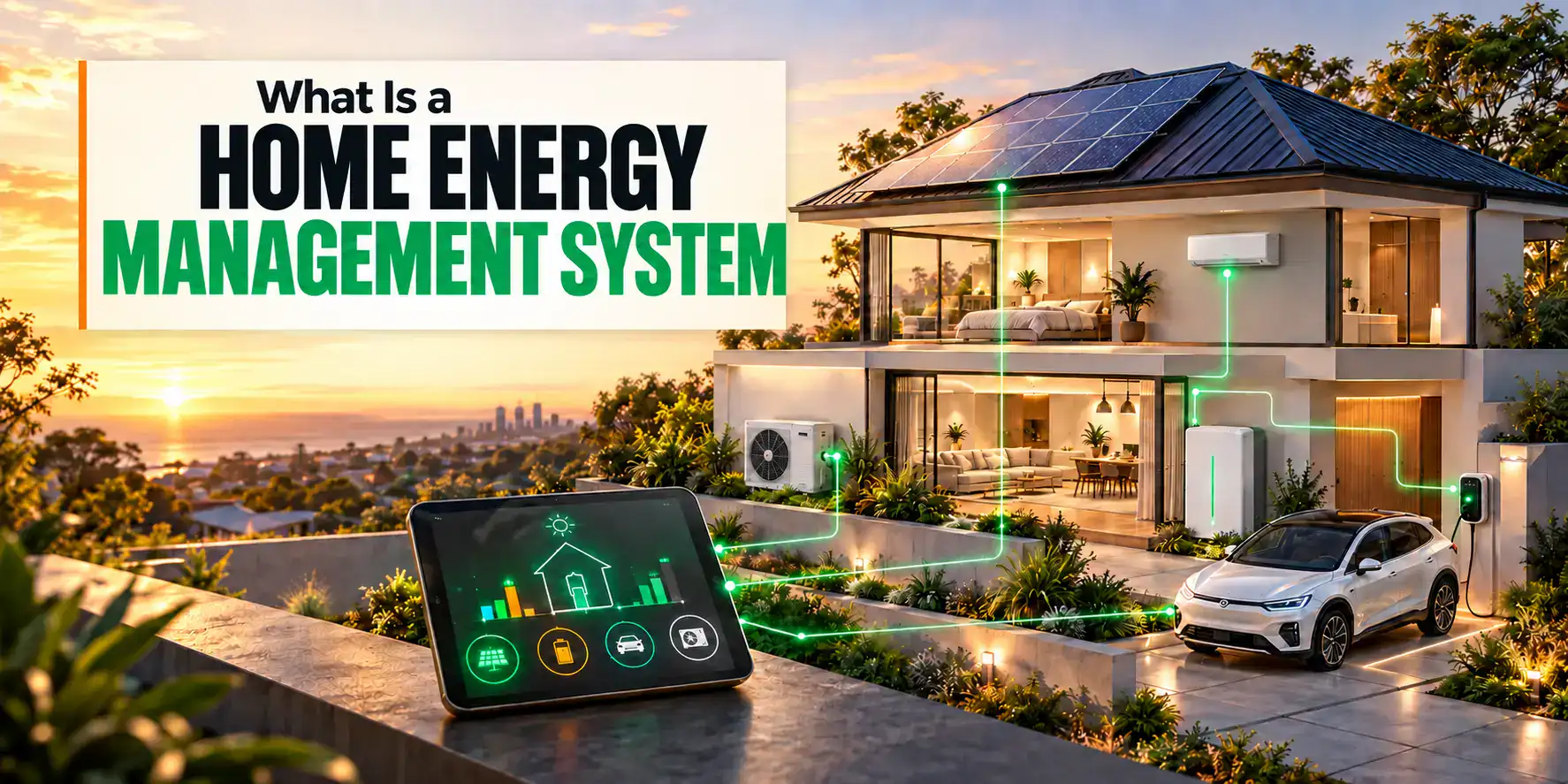
A Home Energy Management System (HEMS) helps you manage how your home generates, stores and uses electricity. That becomes more useful when your home has several electrical systems, because solar panels, batteries, EV chargers, hot water systems, and air conditioning can all use or produce electricity at different times.
The problem is that your home may generate the most electricity when you need the least. Your solar panels could be producing strongly at midday while nobody is home, and then your household may use much more electricity in the evening when the sun has gone down.
A HEMS helps bring those different energy flows together. It can monitor what your home is producing and using, then, depending on the system, automatically control compatible equipment to make better use of that electricity.
That sounds useful, but it doesn’t mean every home needs one. The real question is whether you have enough energy systems and flexible electricity use for a HEMS to make a difference.
A HEMS combines hardware and software to monitor the electricity moving through your home and control compatible equipment.
Think about what happens in a home with solar. Your panels generate electricity, your appliances use some of it and any surplus can either go into a battery, power another load or be exported to the grid.
Once you add an EV, a heat-pump hot water system or a battery, there are more choices about where that electricity should go.
A HEMS uses information from those systems to help make those decisions.
For example, your solar may be producing more electricity than your home needs at midday. Instead of exporting all of the excess, a compatible HEMS could use it to charge your EV, heat your water or charge your battery.
More advanced systems can also consider electricity prices, household demand and other information when deciding when equipment should operate.
So the value of a HEMS isn’t simply seeing your electricity use. It is being able to do something with that information.
That starts with monitoring. A HEMS can collect information about:
You can usually see this information through an app or online dashboard, which gives you a clearer picture of where your electricity is going.
However, monitoring is only the first level. Some systems simply show you what is happening, while others can send instructions to compatible equipment.
That difference matters because knowing that your home is using 5 kW doesn’t change anything by itself. A system that sees your solar producing 6 kW and can then start your EV charger or hot water system can actually change how that electricity is used.
That is the difference between monitoring your energy and managing it.
What you can control depends on the HEMS and the equipment installed in your home. The easiest way to understand its role is to look at where your electricity can go.
Your solar system produces electricity whenever there is enough sunlight, but your household may not need all of it at that exact moment.
A HEMS can monitor that surplus and direct it towards compatible equipment instead of sending all of it to the grid. That could mean using excess solar to charge your battery, heat your water or charge your EV.
A battery gives you somewhere to store electricity you don’t need immediately, but you still need to decide when it should charge and discharge.
A HEMS can coordinate those decisions with your solar generation and household demand.
For example, it could charge the battery with excess solar during the day and allow your home to use that stored energy later when solar production falls.
Some systems can also respond to electricity prices, which gives you another reason to change when the battery charges or supplies your home.
An EV gives you another large electrical load that can often be moved to a different time. You don’t necessarily need to charge the car the moment you plug it in, particularly if it will remain at home for several hours.
A compatible HEMS can therefore schedule charging around your solar generation, electricity prices or other household demand. That could allow your car to absorb excess solar during the day rather than charging from the grid later.
Your hot water system offers another opportunity because the water tank effectively stores energy for later.
A compatible HEMS can run the heat pump when solar generation is available or electricity prices are lower, then leave the stored hot water ready for when you need it.
That makes hot water a useful, flexible load because you don’t need the system to heat the water at exactly the same moment you use it.
Air conditioning is different because you usually need it when the weather demands it. However, you may still have some flexibility in when and how hard the system runs.
A compatible HEMS can use information about your household demand, solar production and electricity prices to help manage that load without simply treating every hour as the same.
The more flexible your electricity use is, the more opportunities there are for a HEMS to manage it.
At this point, you might be wondering whether you actually need a HEMS or whether a simpler energy monitor would do the job.
The difference is what happens after the electricity data is collected. A home energy monitor tells you what your home is using.
A HEMS, on the other hand, can use that information to help decide what happens next.
For example:
Energy monitor: “Your home is currently using 5 kW.”
HEMS: “Your home is using 5 kW, your solar is producing 6 kW and your battery is full. Use the available surplus for the compatible hot water system or EV charger.”
So, if you mainly want to understand your electricity consumption, a monitor may be enough. If you want your energy systems to respond to that information automatically, you’re moving into HEMS territory.
It can, but the savings come from using electricity at a better time, not from the HEMS itself reducing the amount of electricity your appliances need.
Consider the solar example again.
Your panels produce electricity during the day, but your household may use most of its electricity in the evening. Without any form of energy management, some of that daytime electricity may be exported while you later buy electricity from the grid.
A HEMS can move flexible loads into the period when your solar is producing.
Your EV can charge.
Your heat-pump hot water system can heat the tank.
Your battery can store the remaining surplus.
That changes where your electricity comes from without requiring you to change every part of your daily routine.
Your actual savings will depend on your solar system, battery, electricity tariff, household consumption and the equipment the HEMS can control.
So rather than looking at a promised dollar saving, look at how much electricity your home can realistically shift to cheaper or self-generated periods.
That brings you to the more important question: does your home have enough to manage? A HEMS is more likely to make sense when you already have several energy systems, such as:
The reason is simple. Each additional flexible system gives the HEMS another way to use electricity at a better time.
For example, a home with solar, a battery, an EV and heat-pump hot water has several different places to send surplus solar.
A home with none of those systems has far fewer decisions for the HEMS to make. The more energy systems you need to coordinate, the stronger the case for a HEMS becomes.
The opposite is also true.
If you have low electricity consumption, few major electrical loads and no solar, battery or EV, there may not be much for a HEMS to manage.
You might simply want to know where your electricity is going. In that situation, an energy monitor can give you useful information without adding a full management system.
There is also no point in choosing a HEMS based on a long list of features if it cannot communicate with the equipment in your home. That makes compatibility the next thing to check.
Start with the equipment you already have, then think about what you may add later.
The aim isn’t to buy the HEMS with the most features. You want one that works with your home now and still makes sense as your energy setup grows.
Yes, and this is where the idea starts to come together.
Imagine your solar system is producing more electricity than your home needs. The HEMS sees the surplus.
Your EV is plugged in, so the system can send some of that electricity to the charger.
Your hot water tank needs heating, so it can use another portion of the available solar.
If there is still electricity left over, your battery can store it for later.
When the sun goes down, your home can then use the energy stored in the battery rather than relying entirely on the grid.
The exact order depends on your equipment and the settings you choose, but the principle stays the same: the systems work together instead of making decisions separately.
No, although the two can overlap.
A smart-home system is generally designed to automate different parts of your home, such as lighting, security, heating or entertainment.
A HEMS has a narrower job: managing how your home generates, stores and uses energy.
That distinction matters because you can have a smart home without having a HEMS, and you can have a HEMS without automating every other part of your home.
The focus of a HEMS is therefore not simply convenience. It is making better decisions about the electricity flowing through your home.
A HEMS can be worth it when your home has enough energy systems and flexible electricity use for the controls to make a real difference.
If you have solar, a battery, an EV charger, heat-pump hot water or large electrical loads, you have more opportunities to shift electricity into periods when it is available from your own solar system or costs less from the grid.
If you only want to understand your electricity consumption, however, you may not need a full HEMS. A simpler energy monitor could give you the information you need.
The best place to start is therefore not with the HEMS itself. Look at when your home generates electricity, when you use the most power and which loads you could move to another time.
If you’re considering solar, batteries, EV charging, heat-pump hot water or home energy monitoring, E-Green Electrical can assess how your systems could work together and help you choose the right setup for your home.
Are you tired of sky-high power bills? Imagine sipping a cold drink on a hot summer day, only to get […]
We’ve all been in a situation where you open your electricity bill, glance at the figure, and your jaw is […]
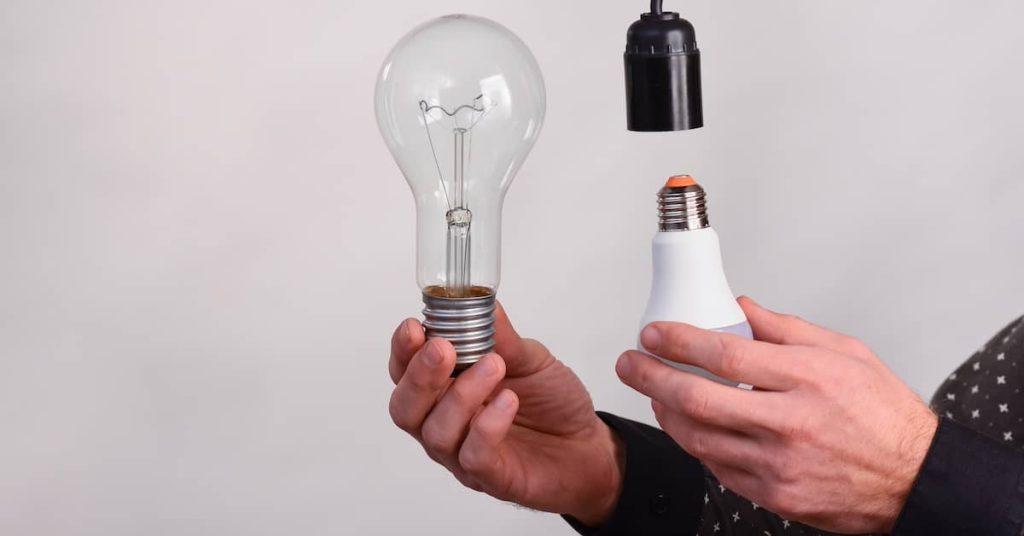
What is energy-efficient lighting? Energy efficient lighting means using less energy without compromising brightness and quality, which also means minimising […]

Lighting is a crucial aspect of every home or office, not only for visibility but also for safety, comfort, and […]


Our energy efficiency experts are here to answer all your questions and guide you through the products, rebates, and installation process.

Upgrade now and pay later with the Home Energy Saver Program!