
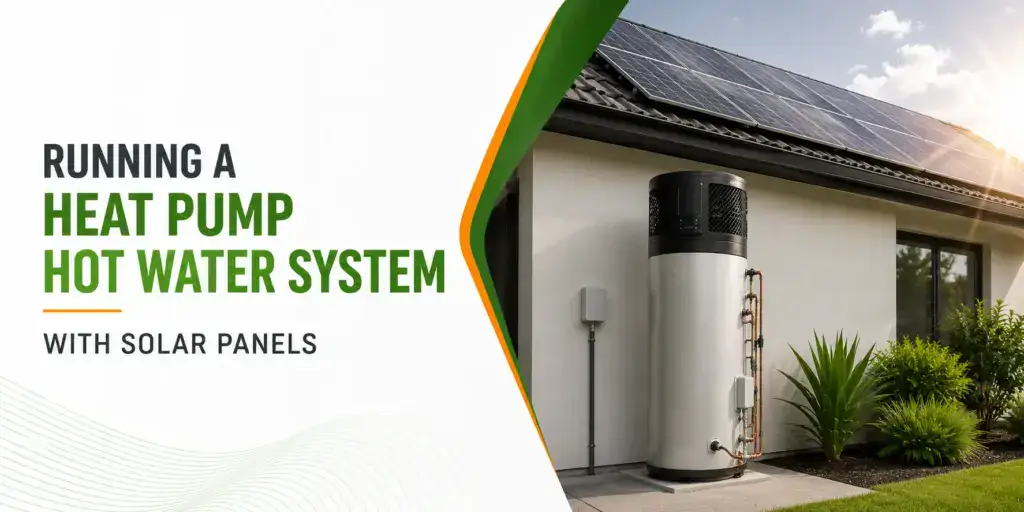
Sydney homeowners are seeking ways to reduce their power bills. With the sun beating down on New South Wales, the […]

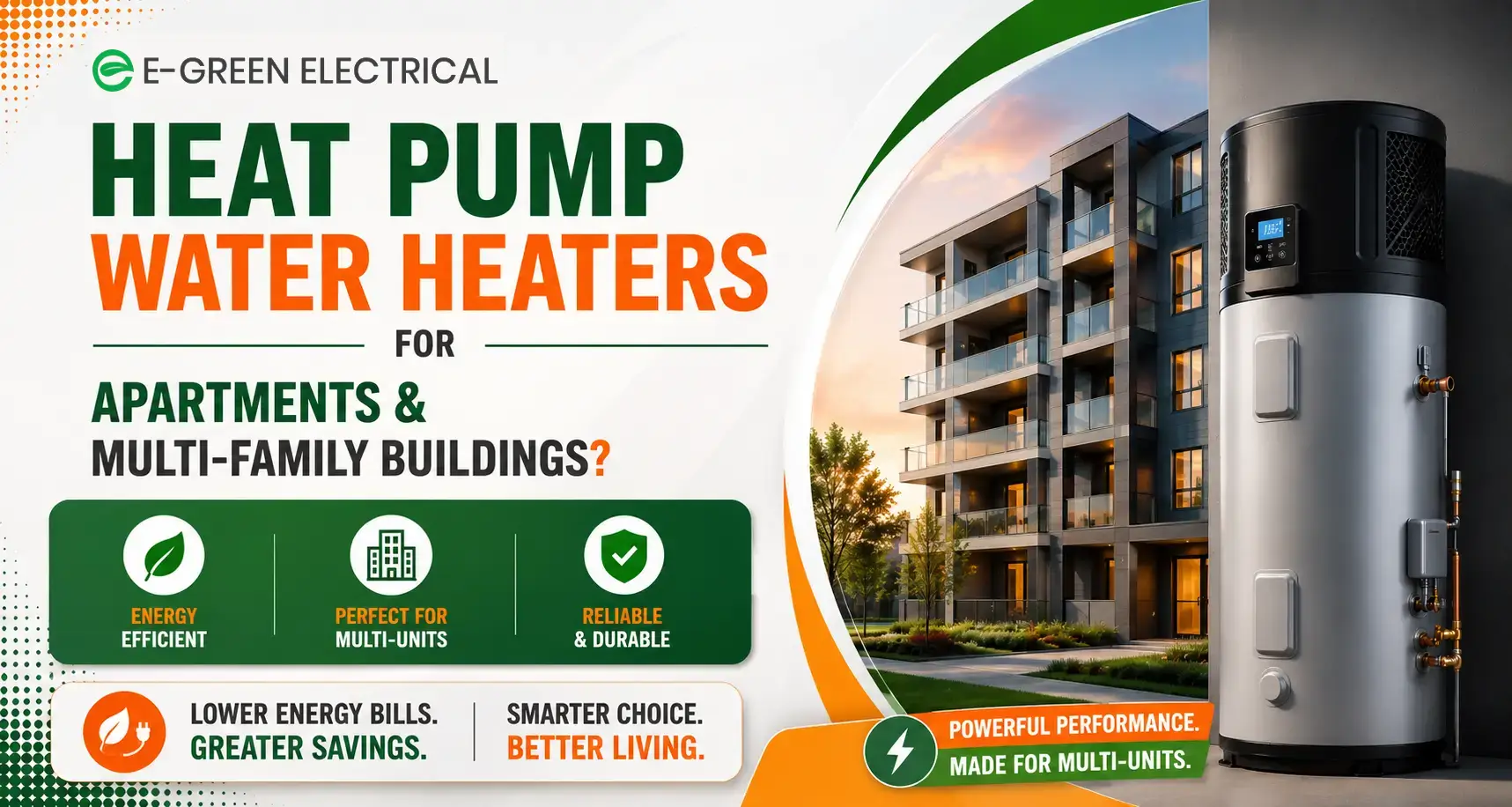
Many apartment buildings across Australia are still operating on outdated electric or gas systems. These setups made sense years ago, but today, they’re expensive, inefficient, and frustrating to live with.
You see the pattern. High power bills. Complaints during peak hours. And that classic moment when someone turns on the shower and gets cold water because the system couldn’t keep up.
That’s the part that gets me. The fix already exists, yet many buildings still rely on outdated systems. Heat pump hot water isn’t some premium upgrade anymore; it’s quickly becoming the smarter standard.
Yes, apartments and multi-tenant buildings can absolutely use heat pump hot water systems, and in many cases, they should.
Think of a heat pump like a fridge but flipped. Instead of pushing heat out, it pulls heat from the surrounding air and transfers it into water. It sounds simple, but that small shift changes everything.
The system doesn’t generate heat the way electric heaters do. It moves it. That’s why it uses far less energy. You’re not paying to create heat, you’re just relocating it.
Compare that to traditional systems. Electric units rely on power-hungry heating elements. Gas systems burn fuel. Heat pumps avoid both approaches, which is why they’re far more efficient in the long run.
Hot water in a single house is predictable.
One household, one routine, manageable demand. Apartments are a different beast entirely. You’ve got dozens, sometimes hundreds of residents using hot water at the same time. Peak hours hit hard in the morning and evening, and if the system isn’t built for it, things fall apart quickly.
Then there’s space. Limited installation areas. Shared plumbing. Maintenance coordination. It’s not just about heating water, it’s about managing demand at scale. That’s why apartment buildings need systems designed specifically for multi-tenant use. Not scaled-up household systems.
This is the go-to for large apartment complexes. You install one main system, usually on the rooftop or in a plant room, and it supplies hot water across the entire building. It keeps equipment out of individual apartments, which frees up space and simplifies layouts.
Maintenance becomes easier, too. Instead of dealing with multiple units, technicians focus on one central system. That said, proper design is critical, especially when it comes to distribution and billing.
Each apartment gets its own heat pump unit. This works well in smaller buildings or retrofit situations where installing a central system isn’t practical. Tenants get more control over their own usage, which some people prefer.
The downside is scale. More units mean more maintenance points, more installation complexity, and more space required overall.
Split systems divide the setup into two parts: an outdoor compressor and an indoor tank. They’re ideal for apartments with limited space. The noisy components stay outside, while the tank fits neatly inside. It’s a flexible option that works well when you can’t accommodate a full system in one location.
This is the big one. Energy prices aren’t going down anytime soon, and hot water accounts for a large chunk of a building’s ongoing costs. Heat pumps change that. Instead of consuming large amounts of electricity, they use a small amount to move heat from the air.
That’s why you can see savings of 60% or more. For a single household, that’s helpful. For a building with dozens of apartments, it’s massive. The savings compound every month, turning into serious money over time.
Reducing emissions sounds great until it requires people to change how they live. Heat pumps avoid that problem. They cut carbon output without asking tenants to do anything differently.
People still use hot water the same way, just more efficiently behind the scenes. Pair that with the solar Panel system, and you’ve got a system that’s both efficient and environmentally responsible without adding complexity.
Tenants don’t care about the technology. They care about results. They want consistent hot water. No temperature swings. No waiting around during peak hours.
Older systems struggle with this, especially in busy buildings. Heat pumps, when properly designed, deliver stable performance. That leads to fewer complaints and a better overall living experience.
Modern apartment design is all about efficiency. Space is limited, and every square metre counts. Centralised heat pump systems remove the need for bulky tanks inside each apartment.
That frees up space and allows for cleaner, more flexible layouts. Even in retrofits, split systems make it easier to work within existing constraints without compromising performance.
Managing maintenance across multiple units can get messy fast. Traditional setups often require servicing individual systems scattered throughout the building. That takes time, costs more, and causes disruptions.
Heat pump systems, especially centralised ones, simplify this. Fewer components, fewer service points, and easier access mean maintenance becomes more predictable and less expensive.
Good to know: Modern heat pump systems often include smart monitoring features. That means issues can be detected early, sometimes before tenants even notice anything is wrong.
Warning: These benefits only show up if the system is designed properly. Undersized or poorly installed systems won’t deliver savings. They’ll just create new problems.
Remember: Heat pumps aren’t just about saving energy, they’re about delivering consistent performance. And in apartment buildings, consistency matters just as much as cost.
A mid-sized apartment complex in Sydney switched from electric storage tanks to a centralised heat pump system. Before the upgrade, residents dealt with inconsistent hot water and rising energy bills. Complaints were common, especially during peak hours.
After the switch, energy consumption dropped by over 50%. Hot water became reliable throughout the day, and maintenance issues reduced significantly. Nothing complicated. Just a better system doing the job properly.
They underestimate demand. Designing for average usage doesn’t work in apartments. Demand spikes matter more. Everyone showers at the same time, and the system needs to handle that.
A properly sized system accounts for the number of apartments, occupancy levels, and peak usage patterns. Get this right, and everything runs smoothly. Get it wrong, and issues show up quickly.
Heat pumps need airflow to operate efficiently. Install them in tight, enclosed spaces, and performance drops. It’s that simple. Rooftops and open outdoor areas work best because they allow proper air circulation. It’s a small detail that has a big impact on overall performance.
| Feature | Centralised System | Individual System |
| Efficiency | High (better at scale) | Moderate (varies per unit) |
| Maintenance | Easier (one main system) | Distributed (multiple units) |
| Control | Shared across the building | Individual per apartment |
| Space Use | Very efficient (no in-unit tank) | Requires space in each unit |
| Installation Cost | Higher upfront | Lower per unit initially |
| Running Cost | Lower long-term | Higher over time |
| Best For | Large apartment complexes | Small buildings/retrofits |
| Scalability | Excellent | Limited |
Simple takeaway: If you’re dealing with a large, complex system, centralised systems usually make more sense. They’re more efficient and easier to manage. For smaller buildings or retrofits, individual systems can be a practical option.
Yes, heat pump systems cost more upfront. But that’s only part of the story. These systems reduce energy bills significantly over time, and maintenance costs are generally lower. Most buildings recover the initial investment within five to ten years. After that, it’s ongoing savings.
Warning: A poorly installed system can cause serious problems. Even the best technology won’t perform if it’s badly designed or installed. Always work with experienced professionals.
Good to know: Government rebates are often available in Australia for energy-efficient systems. These can help offset the initial installation cost.
Yes, it can, but only if it’s sized correctly. If demand is underestimated, you’ll run into issues during peak hours. A properly designed system handles high usage without trouble.
Not really, especially with proper installation. Most of the noise comes from the outdoor unit. Inside apartments, it’s barely noticeable.
Yes, retrofitting is very possible. Split and individual systems work well for upgrades, while centralised systems require more planning.
Yes, they do. They perform well across most regions, with only minor efficiency drops i n colder areas.
Typically 10 to 15 years or more. With proper maintenance, they often outlast traditional systems.
In the long run, yes. While upfront costs may be higher, centralised systems are more efficient and easier to maintain at scale.
Yes, they control their usage. The system is managed centrally, but tenants still use hot water as needed.
Absolutely. Pairing heat pumps with solar can significantly reduce running costs.
If you’re thinking long-term, yes. Lower bills, fewer repairs, and available rebates make them a strong investment.
If you’re still relying on old electric or gas systems in a multi-tenant building, you’re paying more than you need to. Heat pumps aren’t new anymore. They’re proven, practical, and already shaping modern apartment design across Australia. At this point, it’s not about whether they work. It’s about whether you’re ready to run your building smarter.
Sydney homeowners are seeking ways to reduce their power bills. With the sun beating down on New South Wales, the […]
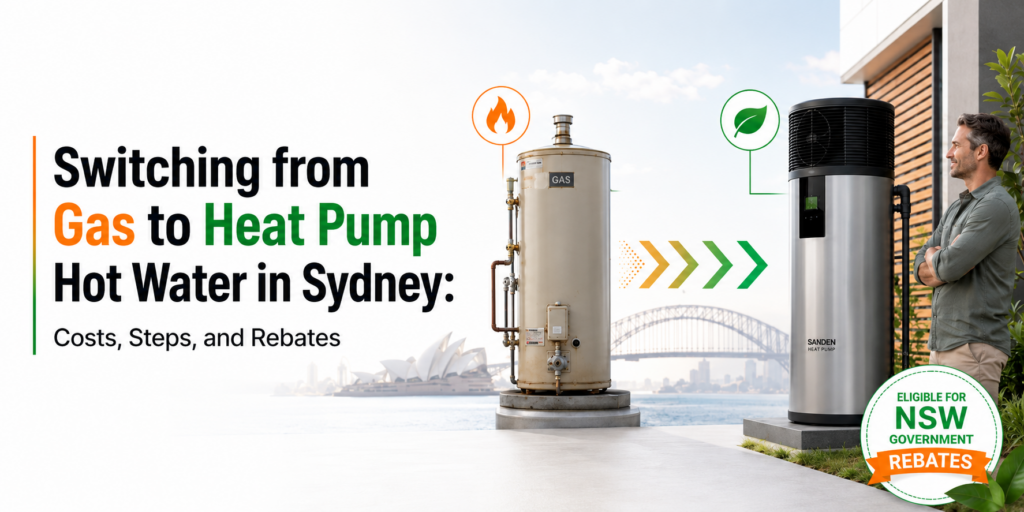
Swapping a gas hot water system to a heat pump is becoming a huge topic of conversation around Sydney dinner […]
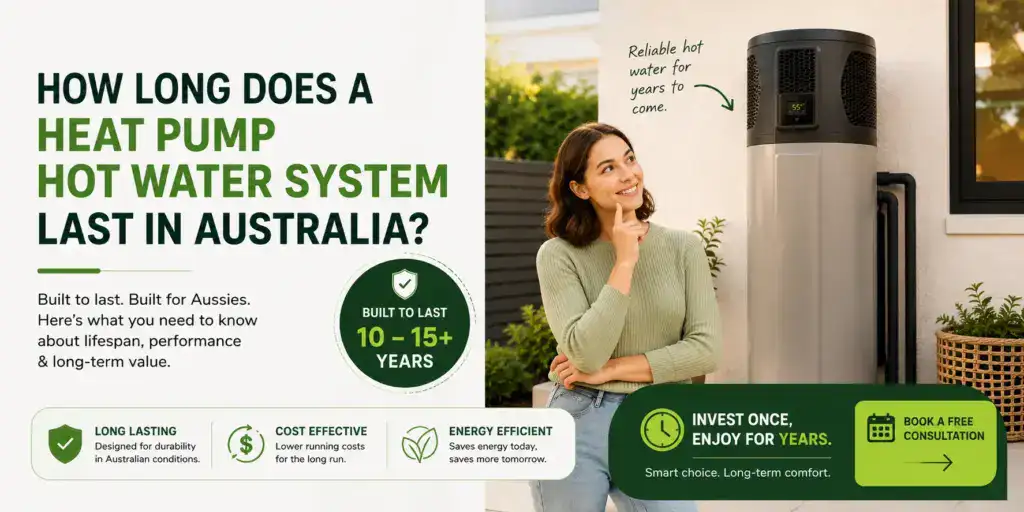
Spending over $4,000 on a home appliance is a big deal. It is a commitment that makes most homeowners pause. […]
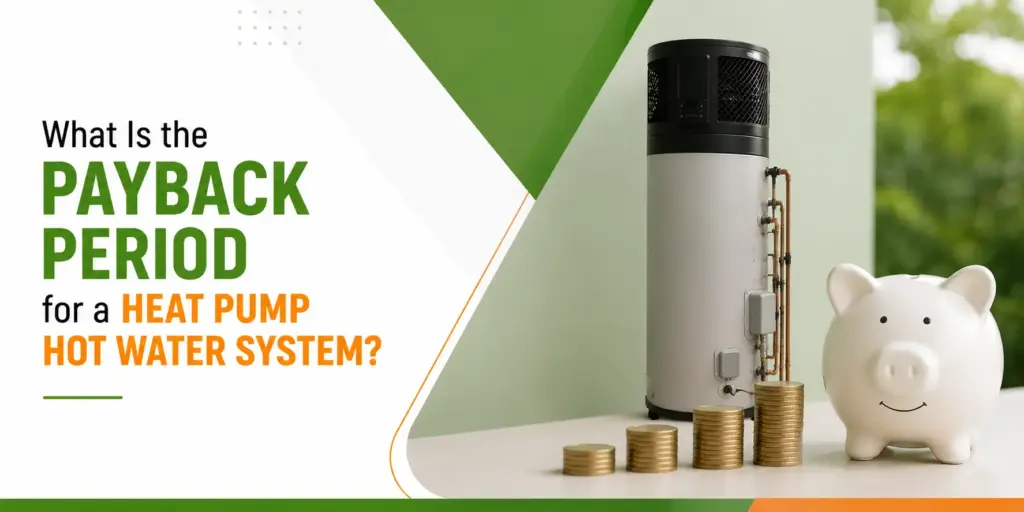
Let’s get straight to the point. You aren’t here for a lecture on thermodynamics or evaporation cycles. You’re here because […]



Our energy efficiency experts are here to answer all your questions and guide you through the products, rebates, and installation process.

Upgrade now and pay later with the Home Energy Saver Program!