Sydney homeowners are seeking ways to reduce their power bills. With the sun beating down on New South Wales, the […]
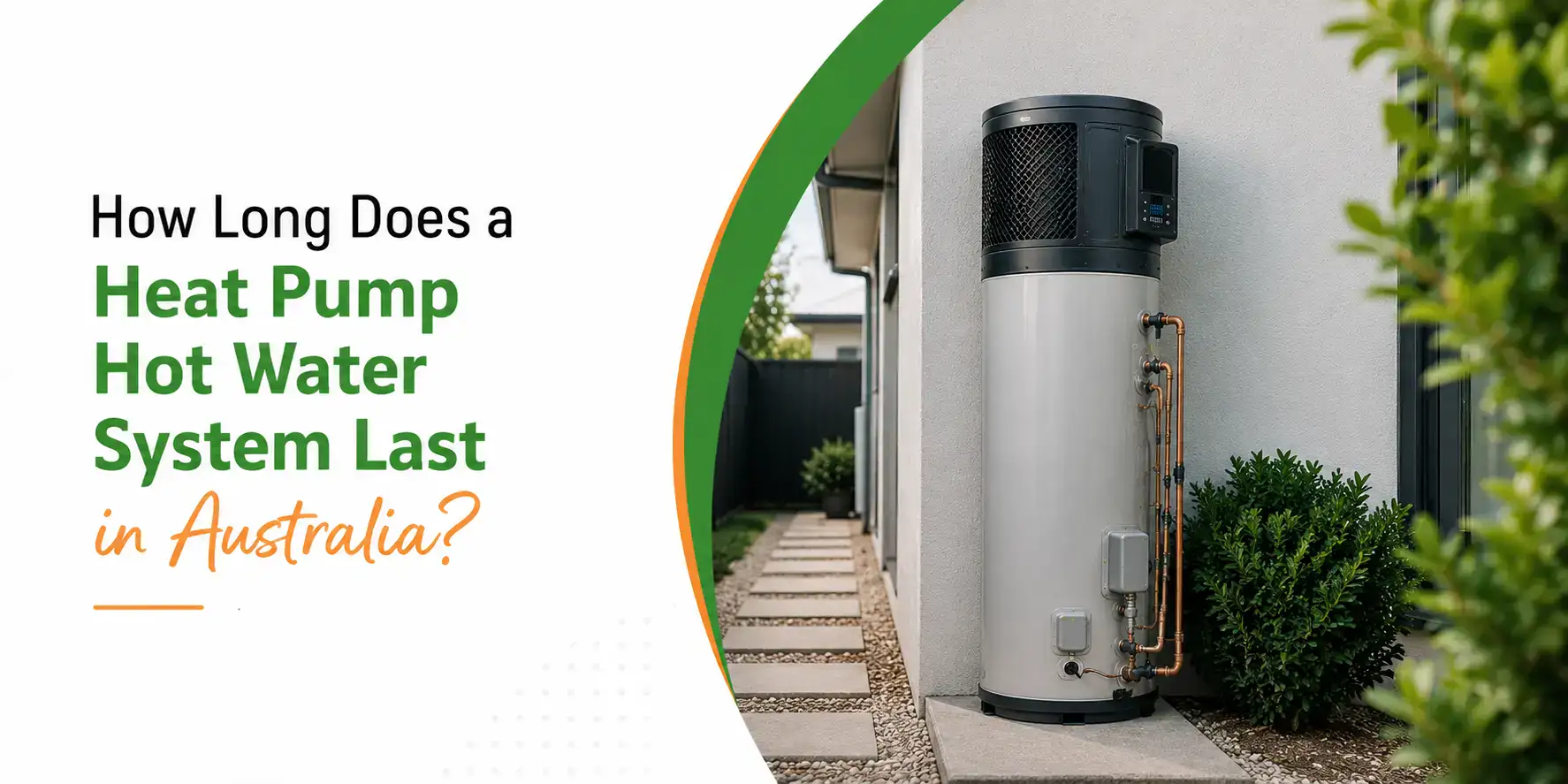
Spending over $4,000 on a home appliance is a big deal. It is a commitment that makes most homeowners pause. You deserve to know exactly what you are paying for. Is this investment going to pay off, or will you be looking for a replacement in a few years? It is a fair question. Nobody likes surprises when it relates to their bank account or their morning shower.
The good news is that a quality heat pump hot water system generally lasts about 15 years. That is a significant jump compared to the 10 years you usually get from a standard electric storage tank.
Before making a purchase, it is vital to understand how different technologies compare in terms of pure longevity. These numbers represent the industry standard for what you can expect from your system under normal Australian conditions.
Heat pump hot water: average lifespan of 15 years
A modern heat pump is a marathon runner. While a cheap electric tank might start to struggle early, these systems are built for endurance. Most industry experts and data from places like Consumer Reports suggest that 15 years is the sweet spot. Because the technology relies on moving heat rather than creating it with a high-strain element, the components don’t burn out as fast. It is a steadier, more efficient way to keep your water steaming.
Standard electric storage: average lifespan of ~10 years
Standard electric units are the old workhorses of Australian suburbs. They are simple, but that simplicity comes with a cost. They rely on massive amounts of electricity to heat a metal rod that sits directly in the water. This process is aggressive. Over time, the constant expansion and contraction of the tank, combined with the high heat of the element, leads to failure. Most of these units hit their limit right around the ten-year mark, leaving you with a cold surprise.
Gas hot water: where it fits in the comparison
Gas systems usually sit somewhere in the middle. You might get 12 years out of a high-end gas unit if the water quality is perfect. However, gas prices in Australia are volatile. Even if the tank lasts, the cost to run it often makes it a less attractive long-term play. When you compare the trio, the heat pump stands out as the primary value-of-investment choice. It lives longer and costs significantly less to operate every single day.
A warranty is the manufacturer’s way of telling you how long they expect their product to stay out of the repair shop. When comparing brands like Rheem, Rinnai, and iStore, look closely at which specific parts are covered for the longest duration.
Rheem — warranty terms and coverage
Rheem is a name everyone knows. They have been in the game forever. Their heat pump warranties are usually split into different tiers. You typically get a 1-year labour warranty, a 3-year compressor warranty, and a 7-year cylinder warranty. They focus on being a reliable, mid-range option. It is a safe bet, but it doesn’t necessarily lead the pack in terms of long-term manufacturer promises.
Rinnai — notable inclusions and exclusions
Rinnai offers a similar setup to Rheem. They are heavy hitters in the Australian market. Their warranties are decent, covering the tank for about 7 years. One thing to watch out for with Rinnai is the maintenance schedule. If you don’t keep up with the required checks, that warranty can get tricky. They build great gear, but they expect you to take care of it if you want them to foot the bill for repairs later.
iStore — positioning vs competitors
iStore has positioned itself as the premium endurance brand. They are very confident in their tech. According to iStore’s own documentation, they offer some of the strongest coverage in Australia. You often see a 5-year compressor warranty and a 10-year tank warranty. This gap between them and the older brands is a massive signal of confidence. They are telling the market that their systems are built to hit that 15-year goal without breaking a sweat.
Comparison table
| Brand | Product/Parts | Compressor Warranty | Tank/Cylinder Warranty |
| Rheem | 1 Year | 3 Years | 7 Years |
| Rinnai | 1 Year | 3 Years | 7 Years |
| iStore | 2 Years | 5 Years | 10 Years |
While the average lifespan is 15 years, your specific experience will depend on how the unit is treated and where it lives. Several external factors can either stretch that timeline or cut it frustratingly short.
Installation quality — placement and DIY risks
If your system is installed poorly, it is doomed from day one. Heat pumps need to breathe. If a technician tucks the unit into a tight, unventilated corner, the compressor has to work twice as hard to find heat in the air. This leads to premature burnout. Never try to DIY this. A professional knows exactly where to place the unit to ensure it isn’t fighting for air.
Water quality — hard water and anode rods
The water inside the tank is actually quite aggressive. If you have “hard” water full of minerals, those minerals will settle at the bottom of the tank. This creates a layer of sludge that forces the system to work harder. Every tank has a “sacrificial anode.” This is a rod designed to rust so your tank doesn’t. If you don’t replace that rod every few years, the tank starts to eat itself.
Climate and ambient temperature
The weather outside dictates how hard the machine works. If you live in a place that is constantly below zero, the compressor stays on for much longer periods. Luckily, most of Australia is fairly temperate. We will talk more about Sydney soon, but generally, a mild climate equals a longer life. Extreme heat can also be a factor, but modern refrigerants are designed to handle high Australian temperatures.
Usage demand — household size and patterns
How many people are under your roof? If you have six people taking long showers every morning, that pump is working overtime. Heavy usage means more cycles for the compressor. It is like a car; the more kilometres you put on the clock, the sooner it needs work. Matching the size of the unit to your actual needs is a huge part of making sure it doesn’t die young.
Maintenance habits — the annual checkup
You wouldn’t drive a car for 15 years without changing the oil. The same logic applies here. Cleaning the air filters and checking the pressure valves takes twenty minutes. If you do it once a year, you catch small leaks before they turn into floods. Neglect is the number one reason these systems fail at year eight instead of year fifteen.
Component quality — compressor grade and tank material
Not all metal is created equal. Some tanks are made of vitreous enamel, while others use high-grade stainless steel. Stainless steel often lasts longer because it doesn’t need an anode rod and handles corrosion better. The compressor is the “heart” of the system. Buying a unit with a high-end, brand-name compressor usually pays for itself in the long run.
If you are a homeowner in New South Wales, you are in luck. Sydney provides an almost ideal environment for this technology, which directly translates to a longer-lasting hot water system.
Mild Sydney winters reduce compressor strain
Sydney is practically the “Goldilocks” zone for heat pumps. It is rarely too cold and rarely too hot for the technology to work perfectly. During a mild Sydney winter, there is still plenty of heat in the air. The compressor can extract that energy quickly and shut off. Less runtime means less wear and tear. It is a simple equation that leads to a much longer life for your system.
Contrast with colder climates
In places like Hobart or the Blue Mountains, a heat pump has a tougher job. When the air is freezing, the system has to run for longer stretches to get the water to 60°C. This constant work puts stress on the mechanical parts. In Sydney, the system spends more time resting than it does running. That rest is what allows it to sail past the 10-year mark without a hitch.
Humidity and coastal considerations
If you live near the beach, you have to think about salt. Salt air is incredibly corrosive to metal. However, most quality heat pumps sold in Australia now feature “Blue Diamond” or similar anti-corrosive coatings on the coils. This protects the unit from the sea spray. Sydney’s humidity also helps; moist air actually carries heat better than dry air, making the heat exchange process even more efficient.
As your system approaches the 15-year mark, it will likely start giving you subtle hints that it is tired. Knowing these signs will allow you to plan for a replacement on your own terms rather than during an emergency.
Inconsistent water temperature
If your morning shower is hot one day and cold or warm the next, something is wrong. It could be a failing sensor, or it could be the compressor struggling to keep up. Before you panic, check the settings. But if the inconsistency continues, the system is likely telling you that its best days are behind it.
Unusual noises from the compressor unit
A healthy heat pump sounds like a quiet air conditioner or a large refrigerator. If you start hearing grinding, clanging, or loud vibrating, the internal bearings are likely shot. These mechanical noises usually mean a total failure is just around the corner.
Visible corrosion or leaking tank
Rust is the enemy. If you see brown streaks running down the side of the tank or a puddle of water at the base, the inner lining has failed. At this point, there is no “fixing” it. Once the tank is breached, replacement is the only safe option.
Frequent need for repairs
A good rule of thumb is the 50% rule. If a repair costs more than 50% of the price of a new system, stop spending money on the old one. If you are calling a plumber every six months, you are just throwing good money after bad. It is better to put that cash toward a new, warrantied iStore or Rheem unit.
Longevity is not just luck; it is a result of smart choices made from the day of purchase. By following a few simple steps, you can ensure your system lives its longest possible life.
Get it professionally installed
Start strong. Use a CEC-accredited installer. They understand the specific requirements for Sydney homes. They will ensure the drainage is correct and the airflow is unobstructed. A professional install is the foundation of a 15-year lifespan.
Annual servicing schedule
Mark your calendar. Once a year, check the filters and the valves. It is a small task that prevents major headaches. If you aren’t comfortable doing it yourself, many local Sydney plumbers offer a quick “hot water health check” for a small fee.
Anode rod replacement every 3–5 years
If your system uses an anode rod, replace it. It is the cheapest insurance policy you can buy. This little rod saves your $4,000 tank from rusting out. It is a simple swap that can add years to the life of the cylinder.
Keep the unit clear of debris
Don’t let your garden grow over the heat pump. Keep leaves, sticks, and spider webs away from the intake vents. The unit needs a clear path for air. If the fan is blocked, the motor will overheat and burn out prematurely.
Monitor with a smart controller
If your unit has an app or a smart screen, use it. These tools often alert you to “error codes” before the system actually stops working. Catching a minor electrical glitch early can save the entire compressor from failing later.
A heat pump is a fantastic investment for any Australian home. With a 15-year average lifespan and strong warranties from brands like iStore, you are looking at a very reliable future. Sydney’s climate only makes the deal sweeter, providing the perfect environment for these systems to thrive. You get lower bills, a smaller carbon footprint, and a decade and a half of hot showers.
Thinking about installing or replacing a heat pump hot water system? Reach out to us for professional, reliable advice. [Check out our service page to see how we can help you make the switch.]
Sydney homeowners are seeking ways to reduce their power bills. With the sun beating down on New South Wales, the […]
Swapping a gas hot water system to a heat pump is becoming a huge topic of conversation around Sydney dinner […]
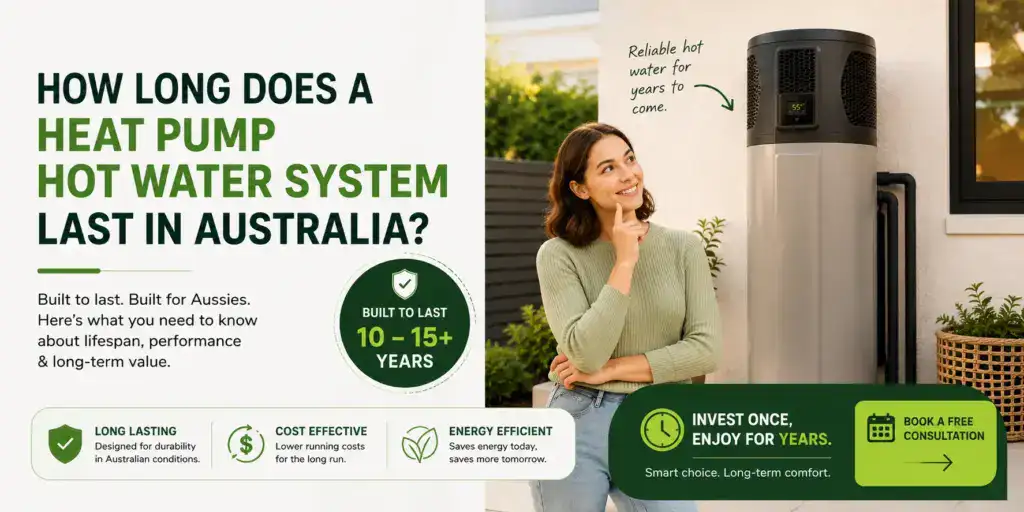
Spending over $4,000 on a home appliance is a big deal. It is a commitment that makes most homeowners pause. […]
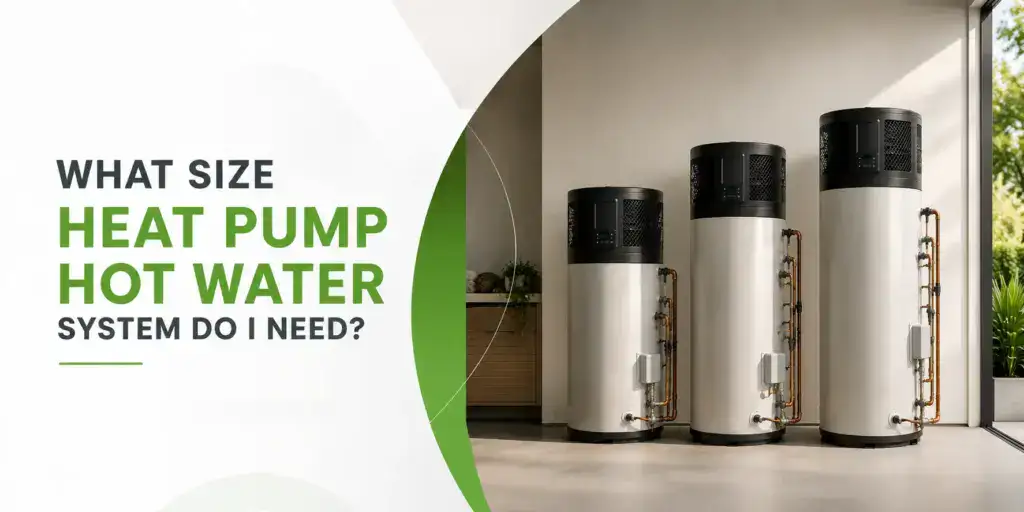
Choosing a new hot water system feels simple until you stare at two tanks that look identical but have different […]





Our energy efficiency experts are here to answer all your questions and guide you through the products, rebates, and installation process.

Upgrade now, pay later with