Sydney homeowners are seeking ways to reduce their power bills. With the sun beating down on New South Wales, the […]
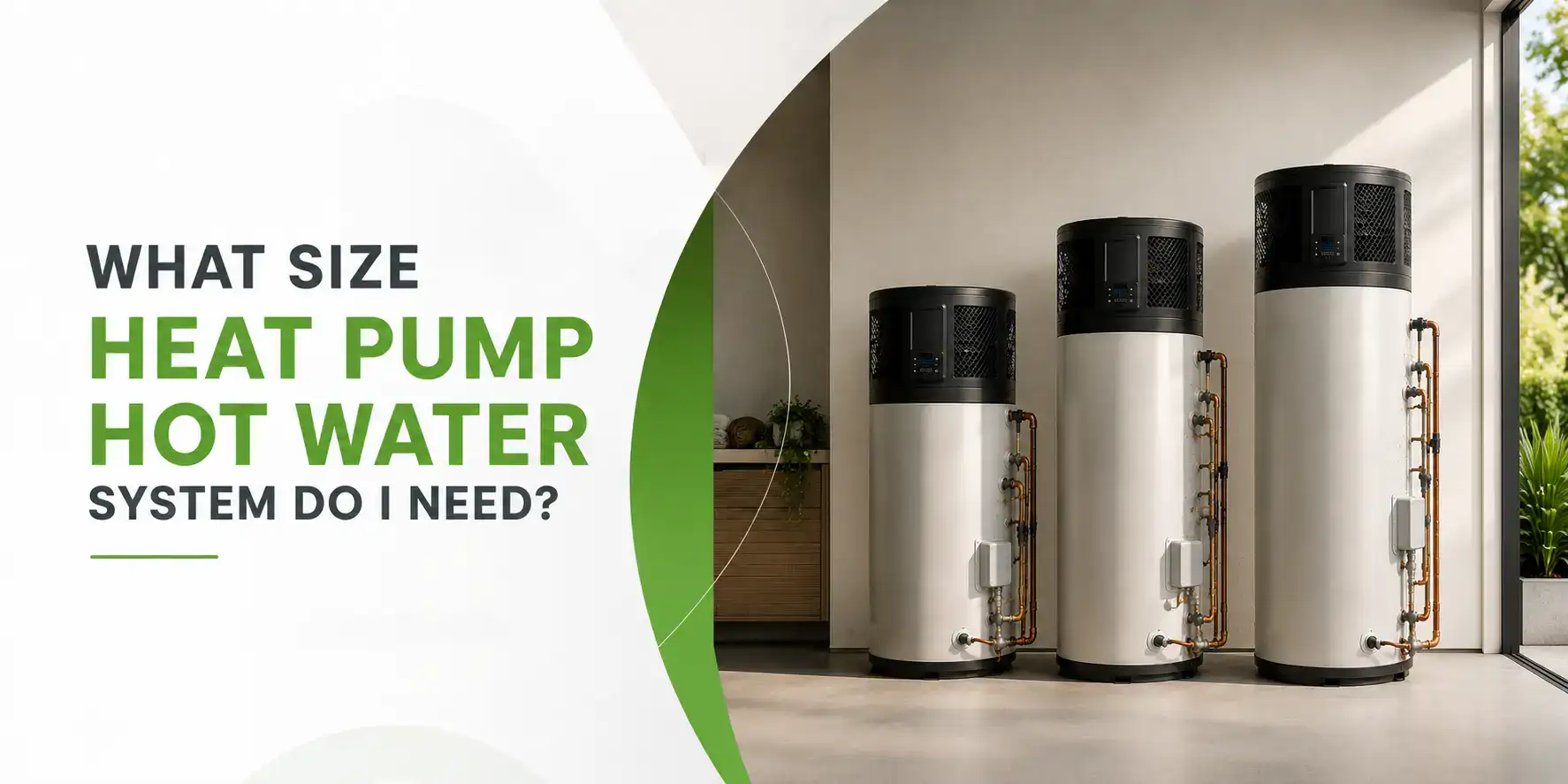
Choosing a new hot water system feels simple until you stare at two tanks that look identical but have different price tags. One says 270L. The other says 315L. Does that extra 45 litres actually matter? Or is it just a way to get you to spend more cash?
In Sydney, we use hot water differently from people in colder places. We have morning rushes and gym sessions. We have kids who think a twenty-minute shower is a human right. If you pick a tank that is too small, someone gets a cold shock mid-lather.
If you go too big, you pay to heat water you never use. This guide clears up the confusion. We are going to look at exactly how much water your Sydney home needs so you can stop guessing.
If you just want the numbers right now, here is the standard breakdown for Australian households:
These are the benchmarks most installers use. They work for most people. But they don’t tell the whole story of how your specific family lives.
Heat pump hot water systems are sized by the amount of water their storage tank can hold, measured in litres. Common residential sizes include 170L, 270L, and 315L.
That litre rating represents the total volume of heated water stored in the tank and available for household use. In general, the larger the tank, the more hot water your system can deliver before it needs time to reheat.
Tank size matters because heat pumps rely on stored hot water rather than rapid heating. They warm water gradually throughout the day, so the tank acts as your reserve during peak demand periods like busy mornings or evening showers.
Choosing the right size means matching that stored volume to your household’s usage habits. A tank that is too small may run out during high-demand periods, while an oversized tank can cost more upfront and take up unnecessary space.
For a couple or someone living alone, a 170L unit is usually plenty. Your usage is likely predictable. You might run the dishwasher at night and take a shower in the morning. This size handles that easily. However, if you have a massive bathtub or a spare room that often hosts guests, you might find this capacity a bit tight.
This is the sweet spot for the average Sydney family. A 270L tank handles the morning chaos of two adults getting ready for work and two kids getting ready for school. It’s the default choice for a reason. It balances the cost of the unit with enough storage to keep everyone happy.
If you have a big family, don’t even look at the smaller units. You need a 315L tank. Large homes usually have overlapping water needs. Someone is doing laundry while someone else is in the shower. A 315L tank prevents the “who used all the hot water?” shouting matches.
For many Sydney homes, the real debate is between the 270L and 315L models. While they look similar on paper, the choice usually comes down to how much “breathing room” your family needs during peak hours.
Think about your household at 7:00 AM. If one person showers while another gets breakfast ready, and then the next person waits ten minutes, a 270L tank is fine.
But what if you have two bathrooms running at once? If three or four people try to get out the door at the same time, that 270L capacity hits its limit fast. The 315L model is built for that specific surge in demand. It holds enough volume for when water is drained faster than the pump can refill.
Heat pumps are efficiency champions, but they aren’t built for speed. When a 270L tank is empty, you are waiting for a while before the water is hot again.
Moving up to a 315L unit isn’t just about more water. It’s about an insurance buffer. That extra 45 litres means that even if the kids stay in the shower longer, there is still a pocket of hot water left for the last person. It removes the stress of scheduling your hygiene.
Take a look at your showerheads. If you have modern, water-saving fixtures, a 270L tank goes a long way. But many Sydney renovations now feature large rainfall showerheads.
These fixtures dump water at an incredible rate. A 270L tank can vanish in under fifteen minutes with high-flow heads. If you enjoy a luxury shower experience, the 315L is basically a requirement. You don’t want a high-end bathroom paired with a mid-sized tank that leaves you shivering.
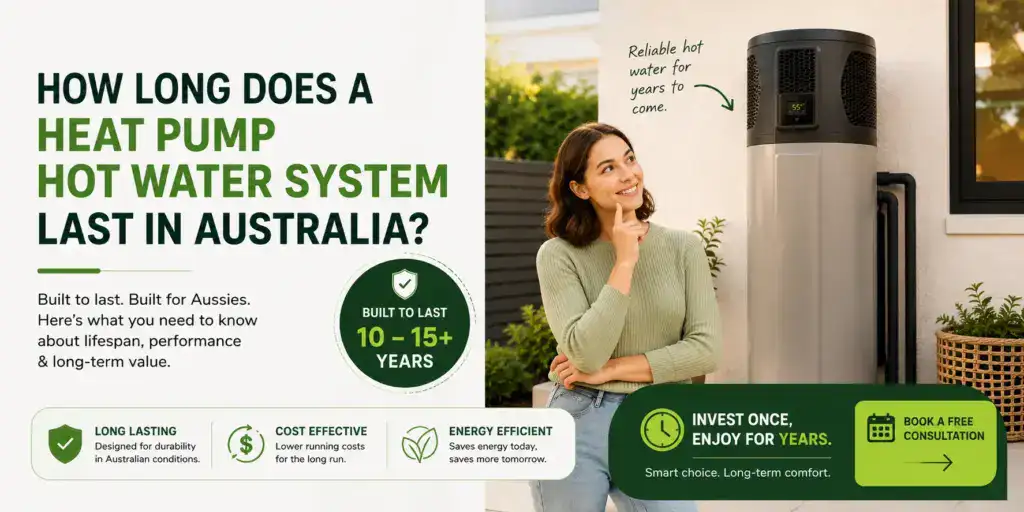
A heat pump system is a ten to fifteen-year investment. A family of four with two toddlers today will be a family with two teenagers in ten years.
Teenagers are notorious for high water usage and unpredictable schedules. Choosing a 270L tank now might save you a few hundred dollars today, but it could lead to daily arguments later. If there is any chance your household usage will grow, the 315L is the smarter long-term move.
The price difference between a 270L and 315L unit is often smaller than people expect. This is especially true when you factor in NSW government rebates.
When you spread that extra cost over the decade you’ll own the system, it works out to just a few cents a week. For that small price, you get the comfort of knowing you won’t run out of hot water on a cold July morning. Unless space is extremely tight, the 315L usually wins on value.
The number of people in your house is just the starting point. How those people actually live their lives is what truly determines if you’ll be taking a hot or cold shower by the end of the week.
This is the ultimate hot water killer. If your household is full of thinkers who spend twenty minutes under a steaming stream, you are draining the tank’s energy fast.
A standard showerhead uses about 9 to 12 litres per minute. One twenty-minute shower can gulp down over 200 litres of your stored hot water. If two people do this back to back, the third person gets a cold drizzle. If long showers are part of your daily ritual, you need a 315L system.
Sydney homes with two or three bathrooms often face a demand trap. When two showers run at the same time, the tank is being hammered from two outlets at once.
This doesn’t just empty the tank twice as fast. It can also affect the temperature consistency if the system isn’t sized to handle high flow. If your morning routine is a frantic rush where everyone washes up at once, a 315L tank provides the necessary volume buffer. It keeps the peace.
Many people forget that the laundry room is a major hot water consumer. If you wash towels or gym gear in warm water, you tap into your reserves.
Doing three loads of laundry on a Saturday morning while people try to shower is a recipe for a cold tank. Modern heat pumps are efficient, but they aren’t magic. They can’t distinguish between a relaxing shower and a heavy-duty cycle on the washing machine. If your laundry piles up on weekends, having that extra storage makes a massive difference.
Do the in-laws stay for the weekend often? Do your adult children visit frequently? Sizing a system strictly for your average Tuesday can leave you embarrassed when the house is full.
When you have guests, shower usage usually doubles. The dishwasher runs twice as often too. A 270L tank can struggle with six people under one roof. If you host Christmas or have a revolving door of visitors, sizing up to a 315L unit acts like an insurance policy for your hospitality.
Nothing tests a system like a large soaking tub. A standard bathtub can hold 150 litres. If you fill that up, you’ve used more than half of a medium tank in five minutes.
This is even more intense with trendy “rainfall” showerheads. These luxury fixtures demand a luxury volume of water. If your lifestyle includes regular baths or high-end plumbing fixtures, don’t settle for the minimum size. You’ll want the 315L capacity to handle the surge.
Don’t buy a small tank just because it’s slightly cheaper. You will regret it every single morning for the next ten years. Another mistake is ignoring the future. Are you planning on having kids? Are parents moving in? A heat pump lasts a long time.
Buy the tank for the family you will have in three years. Also, never assume these systems heat up as fast as a gas burner. They don’t. They are marathons, not sprints.
Is 270L enough for a family of 4 in Sydney?
Yes, usually. It works for most families with average habits. But if you have two teenagers, 315L is a safer bet.
Should I upgrade to 315L just to be safe?
If you have the space and the extra budget, yes. It is better to have 40 litres you don’t need than to be 10 litres short.
How quickly does a heat pump reheat water?
It varies by model, but expect it to take a few hours to fully recover from empty. It isn’t instant.
Does lifestyle matter more than household size?
In many cases, yes. Two people who take massive baths every night will use more water than four people who take quick showers.
Choosing the right size is about being honest about how your family lives. For most Sydney homes, the choice sits between 270L and 315L. If you are on the fence, size up. The cost of a slightly larger tank is small compared to the annoyance of running out of hot water in winter. Match your tank to your heaviest usage day, not your lightest.
Sydney homeowners are seeking ways to reduce their power bills. With the sun beating down on New South Wales, the […]
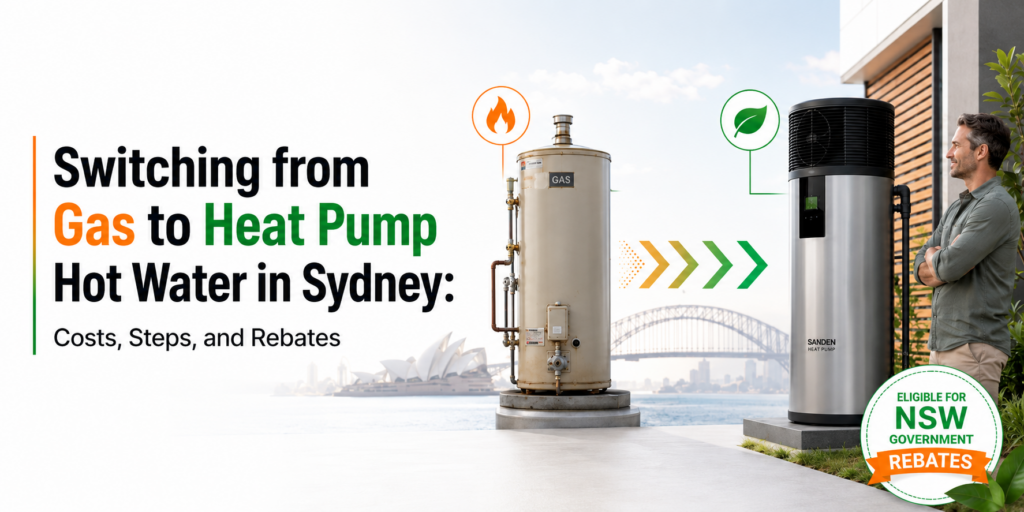
Swapping a gas hot water system to a heat pump is becoming a huge topic of conversation around Sydney dinner […]
Spending over $4,000 on a home appliance is a big deal. It is a commitment that makes most homeowners pause. […]
Spending over $4,000 on a home appliance is a big deal. It is a commitment that makes most homeowners pause. […]



Our energy efficiency experts are here to answer all your questions and guide you through the products, rebates, and installation process.

Upgrade now, pay later with