
Sydney homeowners are seeking ways to reduce their power bills. With the sun beating down on New South Wales, the […]

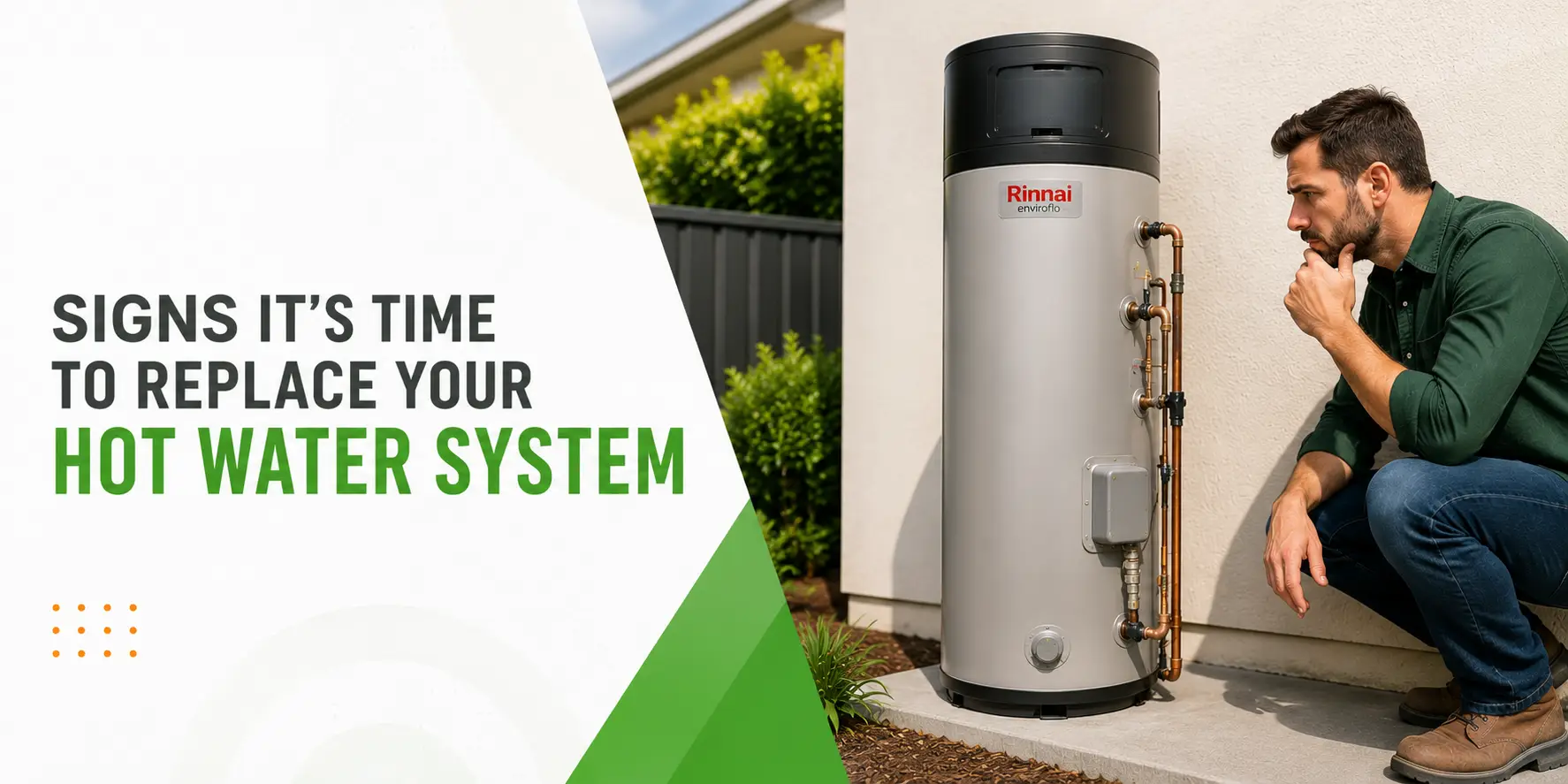
There is nothing quite like the jolt of an icy stream of water when you are expecting a steaming morning shower. It’s a wake-up call in the worst possible way.
You’re standing there, shivering, wondering what went wrong. Maybe the water has a strange metallic tang today. Or perhaps you just opened your latest power bill and nearly fell over. Your hot water system is usually screaming for help long before it actually quits. It gives you little hints.
A groan here, a leak there.
Ignoring these signs is a recipe for disaster. A failing hot water system is more than just a nuisance; it’s a money pit.
If you are currently nursing an ageing unit, you are likely at a crossroads. Do you patch it up one more time? Or do you finally grab a solution that actually works? Most people wait until the floor is flooded. Don’t be that person.
Today, we are looking at the clear signs your hot water system needs replacing. We will also look at why so many homeowners are ditching traditional tanks for high-efficiency heat pumps. It’s about saving money and keeping your showers hot.
Before we look at the symptoms, you need to know the biological clock of your plumbing. Every unit has an expiration date. Pushing past it is a gamble. Usually, that gamble ends with a flooded garage on a Sunday night when plumbers charge double.
Not all systems are built the same. Generally, the lifespan depends on the tech inside:
Electric & Gas Storage: 8–12 years for gas storage water heaters, 10 – 15 years for electric storage, and 15 to 20 years for tankless water heaters. These tanks live under constant pressure. They face internal corrosion every single day.
Heat Pump Systems: 15+ years. They use different mechanics and better parts. They simply outlast the old stuff.
If your system is over a decade old, its efficiency has hit the floor. Even if it still “works,” it is likely consuming way more energy than it used to. Your old unit is basically a tired marathon runner trying to keep up with a sprinter.
Moving toward a replacement at the 10-year mark lets you choose on your own terms. You get to compare prices. You get to breathe. If you wait for it to burst, you’ll just buy the first thing the emergency plumber has on his truck.
Waiting for a total breakdown is the most expensive way to handle plumbing. When a tank fails, it usually happens at the worst time. You end up paying for emergency call-out fees. You lose the chance to look for government rebates.
Most importantly, you lose the ability to shop around for a heat pump that actually fits your house. Taking care of it now means you stay in control of your budget.
Your water heater rarely fails without warning. It often gives clues that trouble is building. Paying attention to these signs can help you act early and avoid a full breakdown.
Efficiency loss is a silent thief. Older systems were built for a different time. They don’t meet today’s energy standards. A decade of heating and cooling makes the metal tired. If the manufacture date on your unit starts with a “2012” or earlier, you are living on borrowed time. Check the sticker on the side of the tank. If it’s faded and peeling, that’s your first hint.
Does your “hot” tap run brown? That is a massive red flag. It means the inside of your tank is rotting away. Most tanks have a “sacrificial anode” rod. Its job is to rust so the tank doesn’t.
Once that rod is gone, the tank is next. Once rust is in your water, you can’t fix it. The structural integrity is gone. It’s a health risk and a plumbing nightmare.
Are you constantly fighting with the taps to stay warm? This is usually a failing thermostat. Or, it could be a heating element that is covered in gunk. Over the years, minerals settle at the bottom of the tank.
This sediment creates a thick crust. It acts as a blanket between the heater and the water. Your system works twice as hard to give you half the heat. It’s a waste of time and money.
If your bills are spiking but your habits haven’t changed, look at the tank.
A degrading system struggles to stay hot. It cycles on and off constantly. It’s trying to maintain heat through layers of sediment or with a broken element. This extra work shows up on your bill every month. Modern systems can cut these costs immediately.
Your hot water unit should be quiet. If it sounds like a kettle boiling or someone is hitting it with a hammer, you have a problem.
This is caused by hardened sediment. When the water underneath that crust heats up, air bubbles pop. It puts a huge amount of pressure on the tank walls. So, if you hear banging, the tank is nearing its breaking point.
Any water at the base of your tank is a “Code Red.” A leaking valve is one thing. But a leak from the tank itself is the end of the road. Even a small damp patch means the internal lining has cracked. Metal expands and contracts as it heats. Eventually, it snaps. If you ignore a small leak, you are waiting for a flood that could ruin your floors.
Think about last year. How many times have you called a plumber? If you have repaired the same unit twice in twelve months, stop. You are throwing money away. Those service fees add up fast. You could have put that cash toward a new, warrantied unit. After all, a new system gives you peace of mind for the next decade.
Replacing a hot water heater isn’t just a repair cost. Done right, it can actually reduce what you spend on energy every month.
Here’s where the savings come from:
When a hot water system fails, the pressure is usually to fix the problem fast. That urgency often leads to decisions that seem practical in the moment but cost more over time.
Pro Tip: A like-for-like replacement solves the immediate problem, but it doesn’t improve anything. In many cases, it simply resets you back into the same cycle of higher running costs and eventual failure.
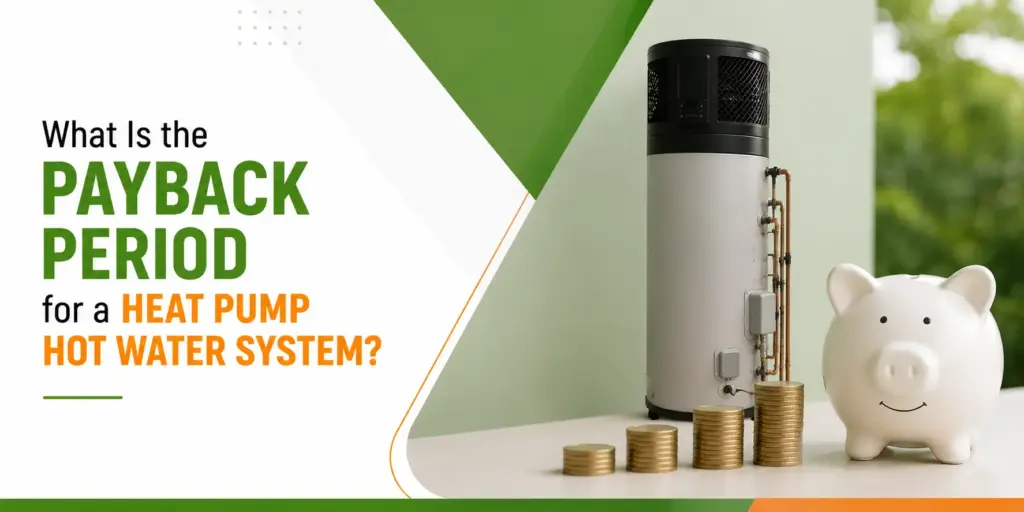
When you compare hot water systems side by side, heat pumps consistently come out as one of the most efficient and cost-effective options available for most homes today. They become even more energy-efficient when paired with solar panels, helping households maximise self-generated power and reduce electricity bills further.
That’s because they don’t generate heat in the same way traditional systems do — they move heat from the surrounding air and use it to warm your water.
Think of it like a fridge in reverse.
Instead of using a high-powered heating element, a heat pump pulls heat from the air around it and transfers that heat into your water system. Even in cooler conditions, there’s still usable heat in the air.
Because it’s moving heat rather than creating it, it uses far less electricity than traditional electric storage systems.
| Feature | Electric Storage | Gas Storage | Heat Pump |
| Running Cost | High | Medium | Very Low |
| Lifespan | 8–12 years | 8–12 years | 15+ years |
| Rebates Available | Almost None | No | Yes (Big ones) |
| Eco-Friendly | No | No | Yes |
Fear of a messy job keeps people using broken systems. At E-Green Electrical, we make it easy. We know you need hot water now, not next week.
We don’t leave you hanging. Usually, we can get a new system in place within 24 hours. Our team looks at your house to find the best spot for airflow. We want that heat pump running at peak performance from day one. It’s about doing the job right the first time.
We handle the heavy stuff. We haul away your old, rusty tank and install the new one. You don’t have to worry about the paperwork for rebates either. We know the system, and we make sure you get every cent you’re owed. It’s a clean, quick transition.
Before any work begins, we walk you through your options in plain language. That includes what will work best for your home, what it will cost to run, and what kind of long-term value you can expect. There’s no pressure or technical overload. Just clear, honest recommendations so you can make an informed decision.
Every home is different, so we don’t take a one-size-fits-all approach. We check airflow, available space, and electrical setup to make sure the system is installed in the right location. This helps ensure efficiency and long-term performance. It also avoids issues that can come from rushed or poorly planned installations.
All work is carried out by qualified, licensed professionals. This ensures the system is installed safely and in line with regulations. It also means you don’t have to worry about workmanship issues down the track. The focus is on getting it right the first time.
Once the system is up and running, we’re still available if you need help. If you have questions or notice anything unusual, we’ll step in and sort it quickly. You’re not left on your own after installation. The aim is long-term reliability, not just a quick install.
Watch for red or discoloured water, loud banging noises, or any signs of leaking around the unit. These are usually early warnings that internal components are breaking down. If the system is over 10 years old, it’s already well into the failure zone even if it still seems to be working.
Rarely. Most older systems are already operating with reduced efficiency, so repairs tend to be short-term fixes. In many cases, you end up spending on repeated call-outs without solving the underlying problem. That money is usually better directed toward a full replacement.
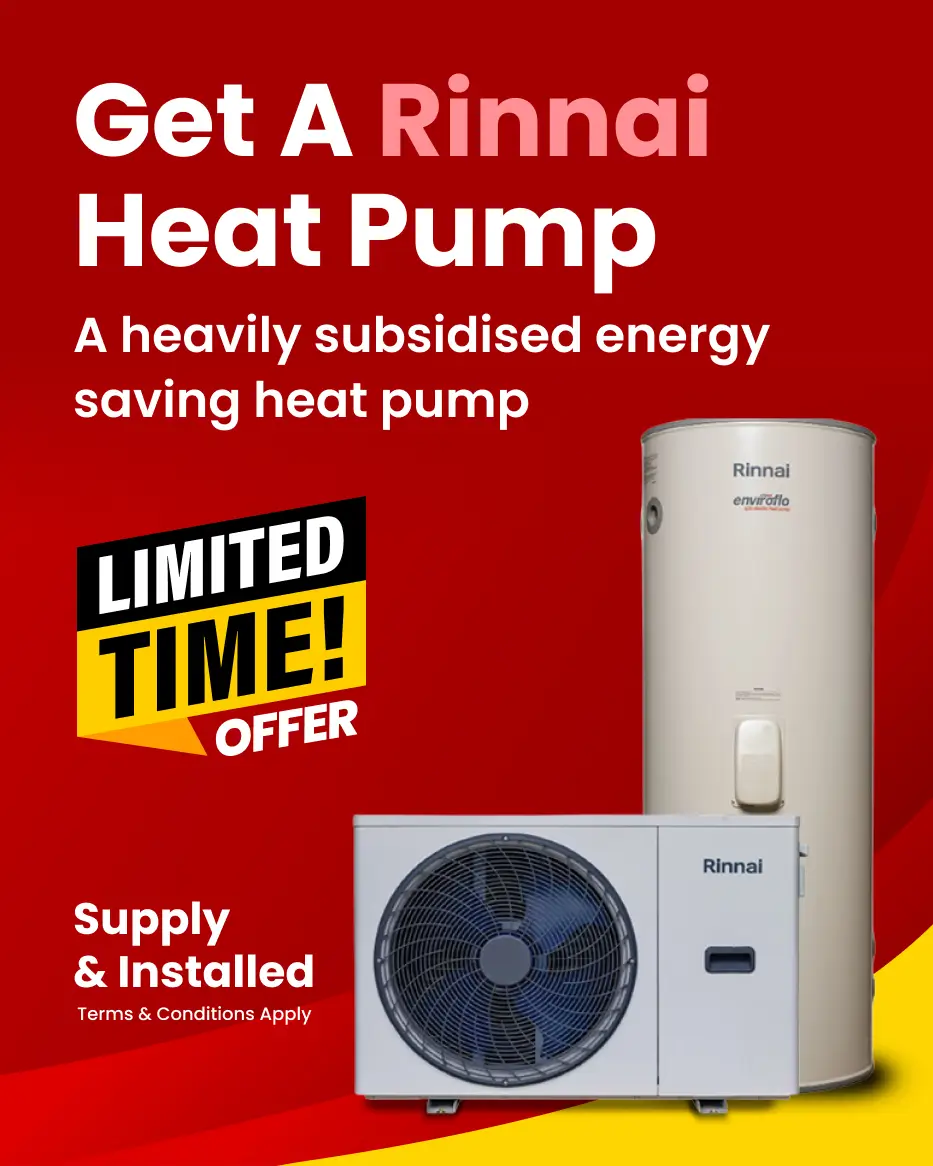
Heat pumps are currently the most efficient option for most households. They work by using heat from the surrounding air instead of generating heat directly, which significantly reduces electricity use. This makes them far more efficient than traditional electric storage systems.
Yes. Federal and state-based incentives are often available for eligible heat pump installations. These rebates can reduce the upfront cost of switching to a more efficient system. Eligibility depends on location and system type, and can usually be checked before installation.
In most cases, replacement can be completed within the same day once the unit is ready and access is clear. Urgent jobs are often prioritised, especially when there is no hot water at all. The exact timing depends on system type and site conditions, but it’s usually a quick turnaround.
There is usually a short downtime during the changeover when the old system is disconnected and the new one is being installed. However, this is typically planned to minimise disruption. Once the installation is complete, hot water is restored immediately.
The old unit is fully removed as part of the replacement process. It’s then disposed of or recycled, depending on the material and condition. You don’t need to arrange anything separately or handle disposal yourself. It’s included in our service.
In most cases, very little is required from the homeowner. The main thing is ensuring clear access to the existing unit so it can be safely removed. If there are any specific requirements, they are usually communicated beforehand. The goal is to keep it as simple as possible on your end.
The best time to upgrade your hot water heater is now. If you wait for the tank to explode, you lose your power to choose. You’ll be stressed and cold. Book a free assessment with E-Green Electrical today. We will check your old unit and show you the math on a heat pump. See exactly how much you can save before the next bill arrives.
Sydney homeowners are seeking ways to reduce their power bills. With the sun beating down on New South Wales, the […]
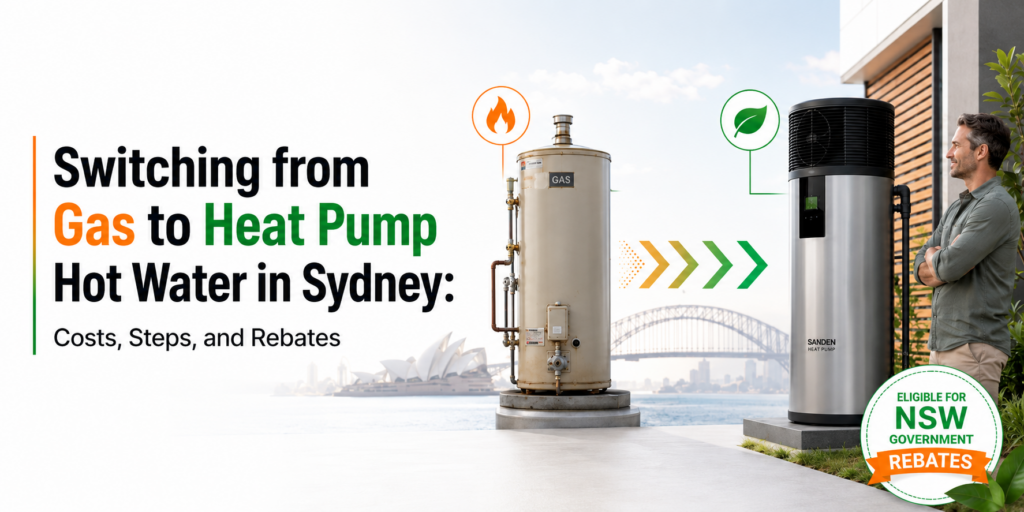
Swapping a gas hot water system to a heat pump is becoming a huge topic of conversation around Sydney dinner […]
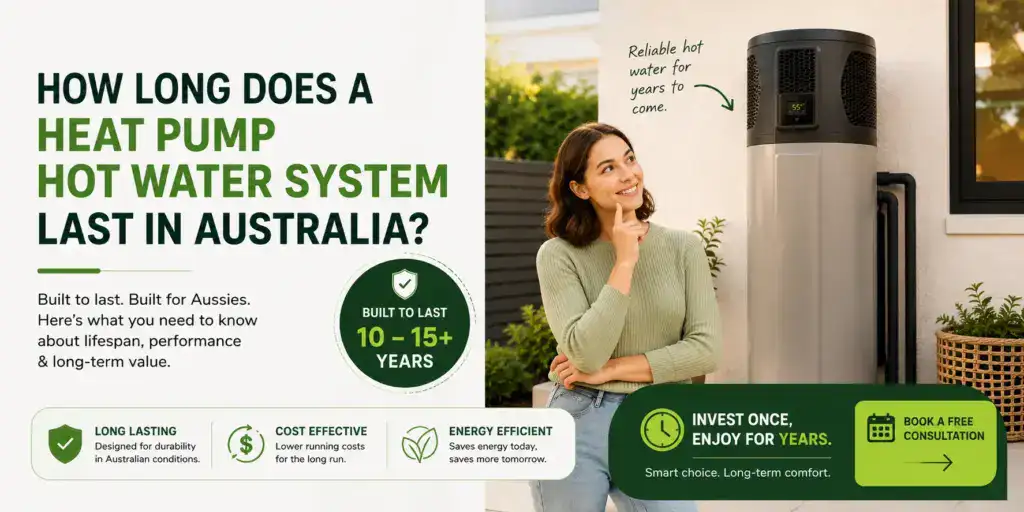
Spending over $4,000 on a home appliance is a big deal. It is a commitment that makes most homeowners pause. […]
Let’s get straight to the point. You aren’t here for a lecture on thermodynamics or evaporation cycles. You’re here because […]





Our energy efficiency experts are here to answer all your questions and guide you through the products, rebates, and installation process.

Upgrade now and pay later with the Home Energy Saver Program!