
Electricity prices in some Australian states are rising to over 40 cents per kWh, and we are all busy now […]

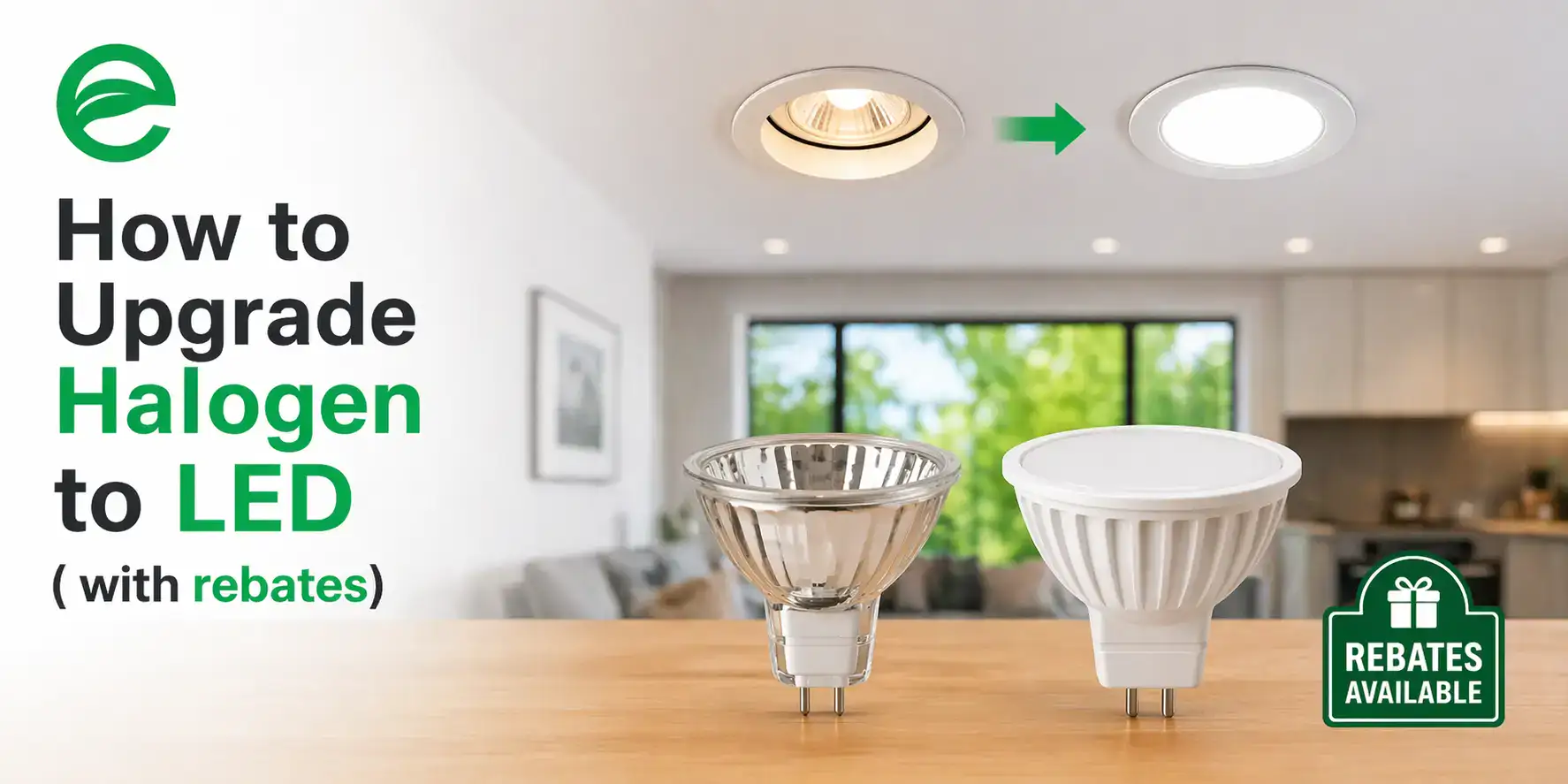
Getting an energy rebate shouldn’t feel like you’re doing a tax return. In New South Wales, the government is practically begging you to stop wasting electricity on lighting that belongs in a 1990s museum.
If you’re still using halogen downlights, you’re not just lighting your home; you’re heating your ceiling at an astronomical cost.
The NSW Energy Savings Scheme (ESS) is the state’s way of fixing that. But since we’ve just crossed the March 2026 threshold, the rules have shifted. Here is how you navigate the new landscape to get your LED upgrade without the headache.
Quick Answer: To upgrade your halogens to LEDs under the government energy rebate in NSW, you must use an Accredited Certificate Provider (ACP).
You can’t DIY this and claim the money back later. You pay a mandatory co-payment, typically starting at $33*, and the provider covers the rest of the cost by creating energy savings certificates in NSW.
Residential is still “Go”: While big changes hit businesses recently, the residential LED replacement program in NSW is still active and easy to access.
Commercial Cliff: The standard commercial lighting rebate ended on March 31, 2026. If you missed it, you now have to use the more rigorous “SuperLED” or “PIAM&V” methods.
No Cold Calls: NSW has officially banned unsolicited door-knocking for energy rebates. If someone shows up uninvited, they aren’t part of the official NSW government energy efficiency program.
Mandatory Co-payment: By law, you must contribute at least $33 to the cost. If someone offers it for “free,” they are likely operating outside the official scheme.
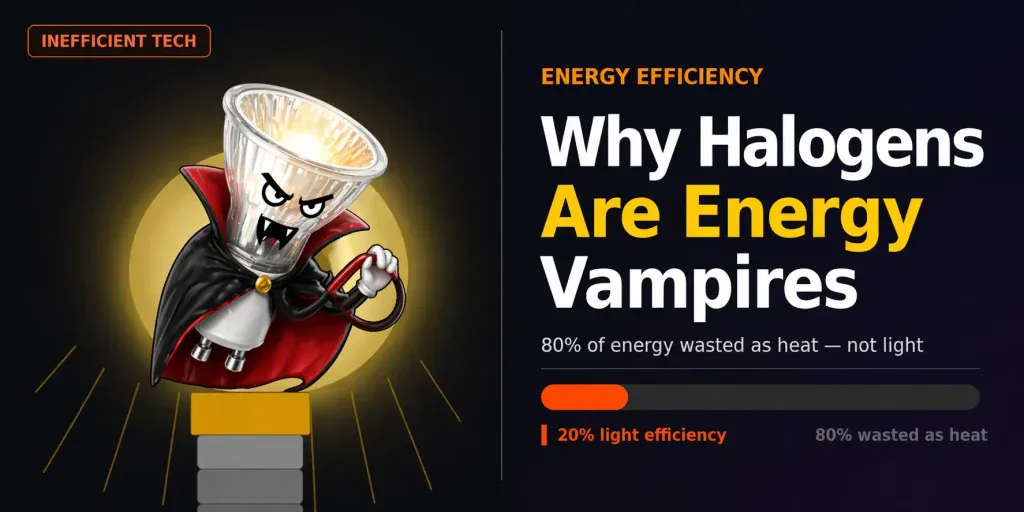
To be honest, halogens are terrible at their job. About 80% of the energy is converted into heat, not light. This is why halogen downlights are notorious for drying out ceiling timber and becoming fire hazards.
By switching to an energy-efficient lighting upgrade in NSW, you’re cutting your lighting power consumption by nearly 90%. Over a year, that’s hundreds of dollars staying in your pocket instead of going to the grid.
Before you call an installer, you need to know what’s in your ceiling.
The Five-Minute Rule: If your light covers are too hot to touch after being on for five minutes, they are halogens.
Check the Pins: If you can pop a bulb out, look at the base. Two thin pins (MR16) or two thick “twist and lock” nubs (GU10) are the usual suspects.
Count the Numbers: Walk through every room, don’t forget the garage and the outdoor floodlights. The more you replace at once, the better the value of your subsidised LED lighting NSW co-payment.
The NSW electricity savings initiative isn’t managed directly by government workers in hi-vis vests. It’s run through private companies called ACPs.
Check the List:Go to the official IPART website to find a provider active in your area.
Ask About the “2026 Rule”: Since the ESS NSW rebate rules have been updated recently, make sure they are using IC-4-rated lights. These are the “gold standard” because they can be covered by insulation without starting a fire.
Get a Quote: Even though the rebate is massive, labour costs vary. Compare two or three providers to see who gives you the best deal for your co-payment.
Once you’ve picked a provider, they will send a consultant to your home.
Verification: They’ll confirm that you actually have halogens. If you’ve already swapped some to cheap LEDs yourself, those usually won’t qualify for the halogen to LED upgrade NSW rebate.
Safety Check: In 2026, inspectors are much stricter. They’ll check your transformers. Old halogen transformers are the main reason new LEDs flicker. A quality provider will include a transformer bypass or replacement in their service.
This is a critical step. The work must be done by a licensed electrician. They won’t just change the bulb; they’ll usually replace the entire fitting. This ensures the new light is sealed, modern, and safe.
Environmental responsibility: A key part of the **ESC scheme NSW** is that the old bulbs must be destroyed and recycled properly. Your installer is legally required to take them away so they don’t end up in a landfill.
After the installation, you’ll sign a “Post-Implementation Declaration.”
The Paperwork: This digital form confirms you received the upgrade. The ACP then uses this to create certificates, which are essentially the currency of the energy efficiency incentives in NSW
The Payment: You pay your $33 (or whatever the agreed-upon payment is) directly to the installer. The rest of the bill which could be hundreds of dollars is covered by the certificates.
Good to Know: The “New” Commercial Rules
If you are looking for a commercial LED upgrade in ESS NSW things got a bit more complicated on April 1st. The “easy” way to claim certificates for office and warehouse lighting ended in March 2026.
Now, businesses have to use the “Project Impact” method. It requires more documentation and energy monitoring, but for large facilities, the savings are still massive. If you’re a business owner, look for a provider who specialises in “PIAM&V” (it’s a mouthful, but it’s how you get the big rebates now).
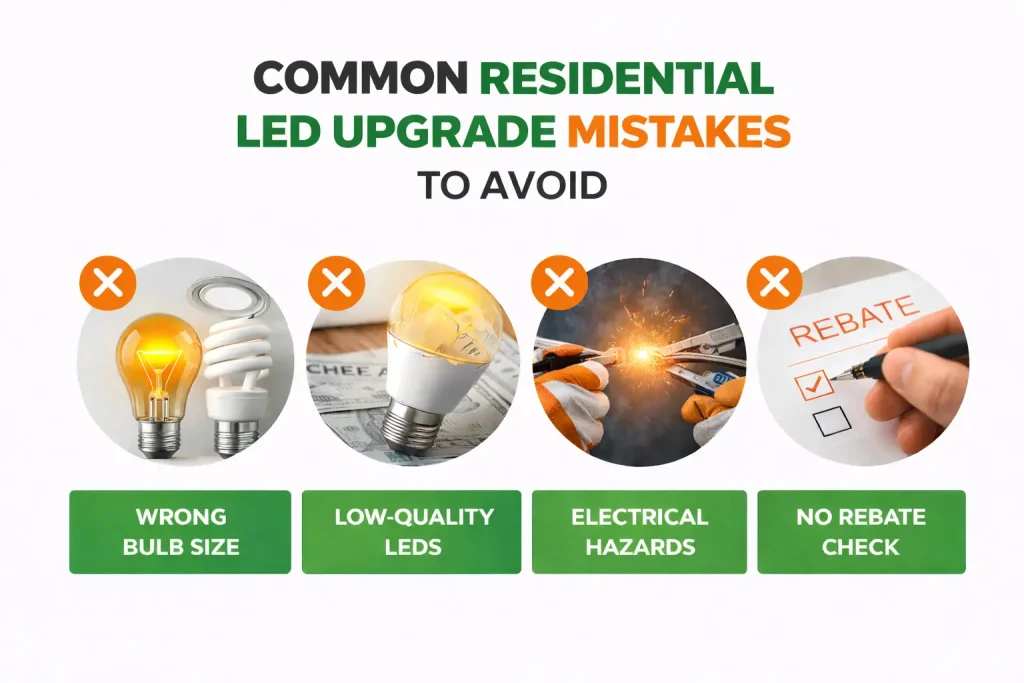
Note: Make sure your installer checks your dimmers. Old halogen dimmers often don’t work with new LEDs.
Warning: Never pay the full amount up front. The co-payment should be paid only after the work is completed or as a small deposit.
Remember: The NSW energy upgrade program is a long-term play. These LEDs should last you 15 to 20 years, so don’t settle for “no-name” brands. Ask for a 5-year warranty.
The NSW Energy Savings Scheme is one of the few government programs that actually works the way it’s supposed to. It reduces the strain on our ageing power grid and keeps your electricity bills from spiralling out of control.
We’ve officially passed the “Gold Rush” era of free commercial lighting, but for homeowners, the window is still wide open.
Don’t wait until the next price hike from your energy provider. Grab a torch, count your downlights, and call an accredited provider today. It’s the easiest $33 you’ll ever spend to save thousands over the next decade.
Electricity prices in some Australian states are rising to over 40 cents per kWh, and we are all busy now […]
Did you know that around 10% of your household electricity budget goes to lighting? It’s such a huge bill that […]

So, you are fed up with the old light bulbs that keep flickering, increasing your electricity bills, and failing when […]
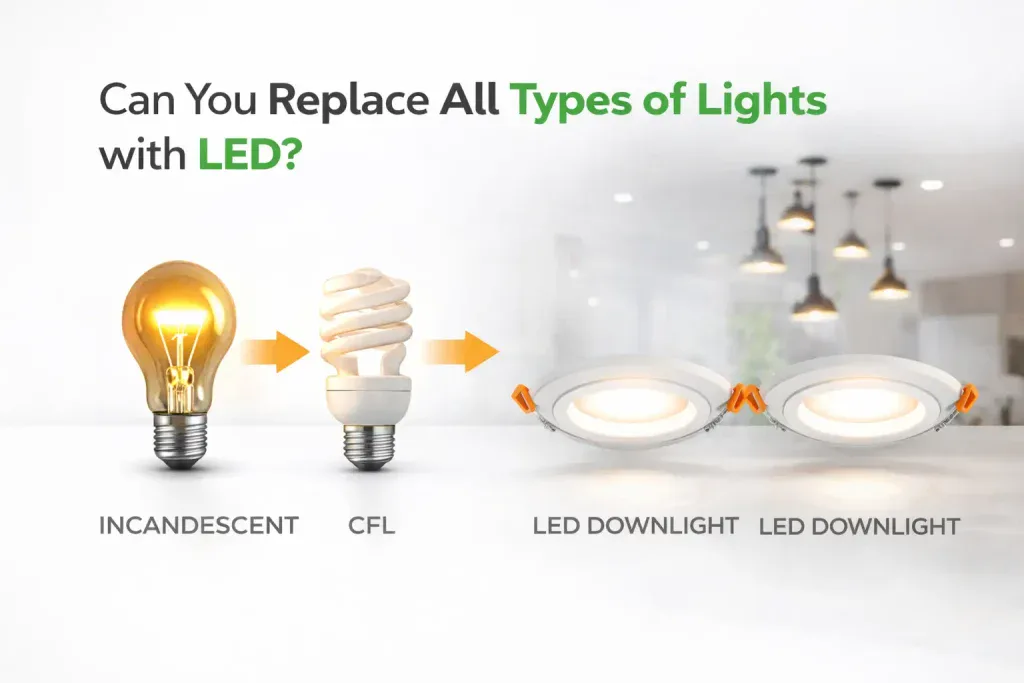
How does it feel walking through your home and noticing the mismatched bulbs? Those flickering tubes in the garage or […]


Our energy efficiency experts are here to answer all your questions and guide you through the products, rebates, and installation process.

Upgrade now and pay later with the Home Energy Saver Program!