
For Sydney homeowners wanting to replace an old electric or gas hot water system, a heat pump can provide a […]


The worst time to discover your air conditioner needs replacing is when Sydney is already facing a 35°C+ day.
Every year, homeowners make the exact same mistake: assuming an aging air conditioner will pull through just one more hot season. Then, the first major heatwave hits.
The house turns into an oven, the old unit blows out lukewarm air or stops working altogether, and frustration takes over.
When you pick up the phone, you quickly discover that installer demand rises sharply across Sydney.
Installation wait times stretch out, technician schedules fill up for weeks, and you are left dealing with uncomfortable indoor temperatures during the hottest days of the year.
Summer in Australia always arrives quickly. Taking action before the summer rush ensures your home stays comfortable, your system is installed on your schedule, and you can choose the right setup without feeling rushed.
Organizing your air conditioning upgrade before temperatures peak isn’t just about escaping the heat; it gives you full control over the process.
You get clear practical advantages which include:
Air conditioners rarely fail without warning. Most systems show clear signs of decline long before they stop working altogether.
Take a moment to evaluate whether your current system displays any of these common warning signs:
| Warning Sign | What It Usually Indicates |
| Rooms take too long to cool | Reduced cooling capacity, potential refrigerant leaks, or compressor wear. |
| Uneven temperatures across rooms | Airflow restrictions, undersized equipment, or aging ductwork. |
| Unexplained increases in energy bills | Loss of efficiency, forcing the system to work harder for the same result. |
| Strange noises (rattling, grinding) | Mechanical wear, worn bearings, or loose internal components. |
| Frequent service calls | The system is approaching the end of its practical lifespan. |
| The system is over 10–12 years old | An indicator that components are aging and technology may be out of date. |
If several of these points sound familiar, relying on your current unit to get you through another intense Sydney summer is a risk. You should upgrade early and save yourself a lot of hassle down the line.
If you haven’t bought an air conditioner in recent years, the technology has come a long way. Modern reverse-cycle systems are no longer just seasonal coolers; they are comprehensive climate control solutions for the entire year.
If you upgrade to a contemporary system you’ll enjoy several clear benefits which include:
With all these benefits, you can see that the upgrade shifts your air conditioning from an occasional luxury to a practical, year-round investment in home comfort.
Selecting the right configuration depends on your floor plan, usage habits, and budget. The two primary options each serve distinct needs as follows:
A split system pairs an outdoor condenser with an indoor wall-mounted unit.
A ducted system uses a central unit which is usually installed in the roof cavity and connected to discreet vents throughout the property via flexible ducting.
The ideal choice comes down to your home’s layout, space constraints, and how your family uses different rooms throughout the day. If you are unsure, call for an on-site assessment to help determine the best fit.
When sizing an air conditioner, bigger isn’t automatically better. Installing a system that is either too large or too small for your space causes long-term operational issues:
Calculating the correct capacity requires looking at more than just square meterage. Important factors include:
Professional sizing ensures optimal performance, lower energy usage, and consistent indoor comfort.
A major hesitation for many homeowners is the cost of running air conditioning on hot summer days. However, modern systems are far more efficient than older units, meaning you can stay cool without spiking your energy bills.
To keep running costs low:
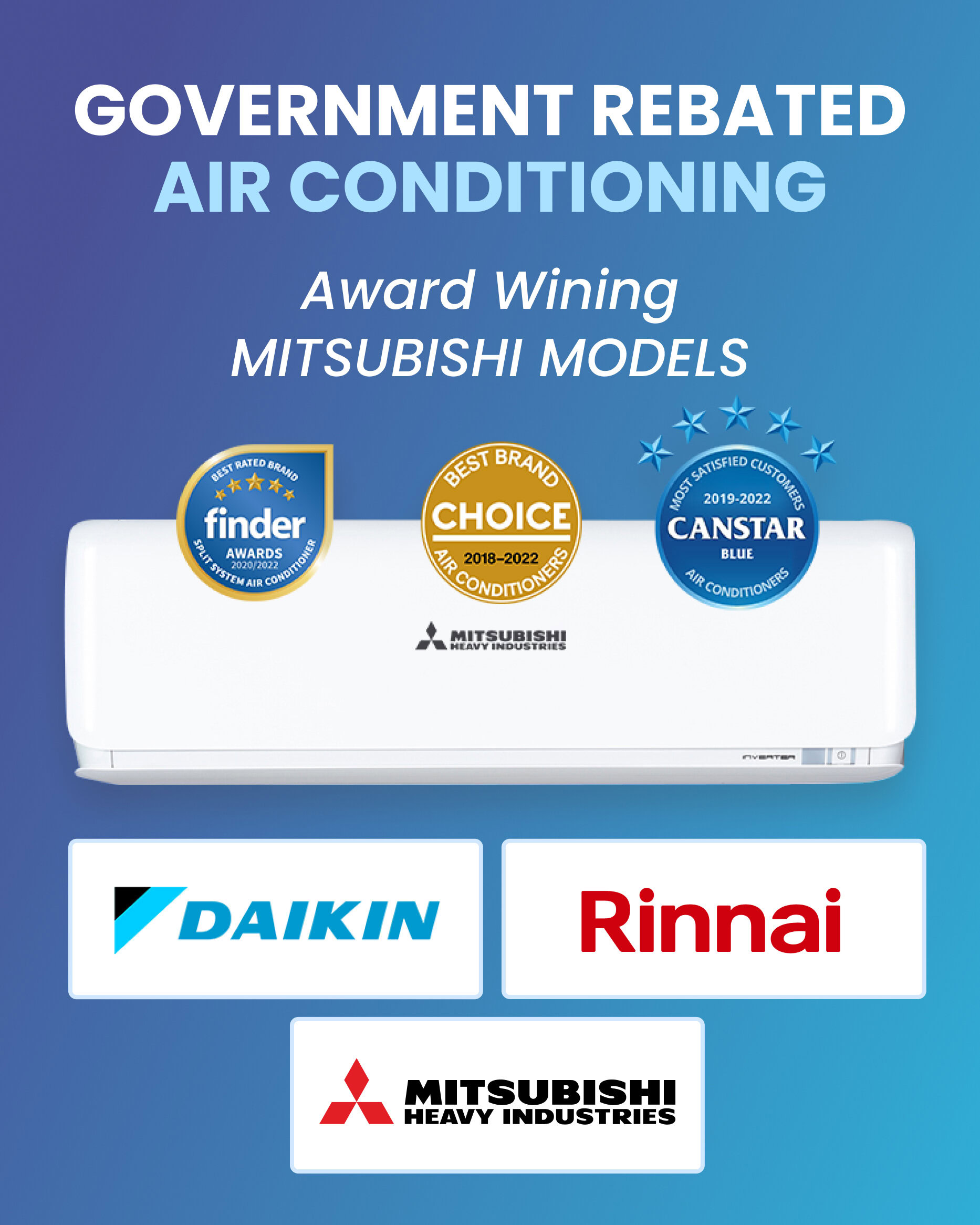
To handle Sydney’s summer climate, we select proven systems from leading manufacturers backed by strong local warranties and high efficiency ratings. Here are five of the top systems we install at E-Green Electrical:
| Air Conditioner | Type | Ideal For | Key Standout Feature | Capacity Range |
| Daikin Cora | Split System | Bedrooms & living rooms | 2-Area Intelligent Eye (draft prevention & efficiency) | 2.5 kW – 7.1 kW |
| Daikin Alira X | Split System | Allergy sufferers & families | Streamer Technology (decomposes allergens & mold) | 2.5 kW – 7.1 kW |
| MHI Avanti Plus | Split System | Compact areas & quiet rooms | Top-tier energy ratings & ultra-quiet operation | 2.5 kW – 5.0 kW |
| MHI Bronte | Split System | Large open-plan areas | Jet Air Technology (18m long-reach airflow) | 6.3 kW – 9.5 kW |
| Daikin Premium Inverter | Ducted System | Whole-home climate control | Concealed multi-zone control across the entire house | 7.1 kW – 12.5 kW |
Note: For budget-conscious homeowners looking for simple, straightforward cooling value, we also install the full range of Rinnai Reverse Cycle Split Systems from 2.6 kW to 8.0 kW.
Upgrading your air conditioning system is an investment, but financial options and energy programs can make modern installations far more manageable.
Below are some funding options that can slash your total AC installation cost.
Depending on your location in NSW, replacing old, energy-intensive systems with high-efficiency reverse-cycle models may qualify for financial incentives under the Energy Savings Scheme (ESS). Where applicable, accredited certificate providers apply these subsidies as an upfront discount directly to your installation quote.
To spread out upfront costs, eligible NSW households can access government-backed zero-interest finance through the NSW Home Energy Saver program—allowing up to $15,000 in energy upgrades to be repaid over up to 10 years with no interest charges.
Before booking, ask about current rebate eligibility and available interest-free financing options to see what applies to your home.
Selecting a quality air conditioner is only half the equation. Proper sizing, design, and professional installation are just as important to ensure your system performs as intended.
At E-Green Electrical, we focus on providing straightforward, professional service tailored to your home:
When summer hits, installation schedules can fill up fast. Upgrading early allows you to select the right system without pressure, book an installation date that suits you, and ensure your home stays cool well before the heat arrives.
Don’t wait until the middle of a heatwave to find out your system isn’t up to the job.
Ready to Upgrade Your Home Comfort?
Contact the team at E-Green Electrical today for an expert home assessment and a straightforward, no-obligation quote.
For Sydney homeowners wanting to replace an old electric or gas hot water system, a heat pump can provide a […]

If you own or rent a property in NSW, you can make eligible home energy upgrades without paying the full […]
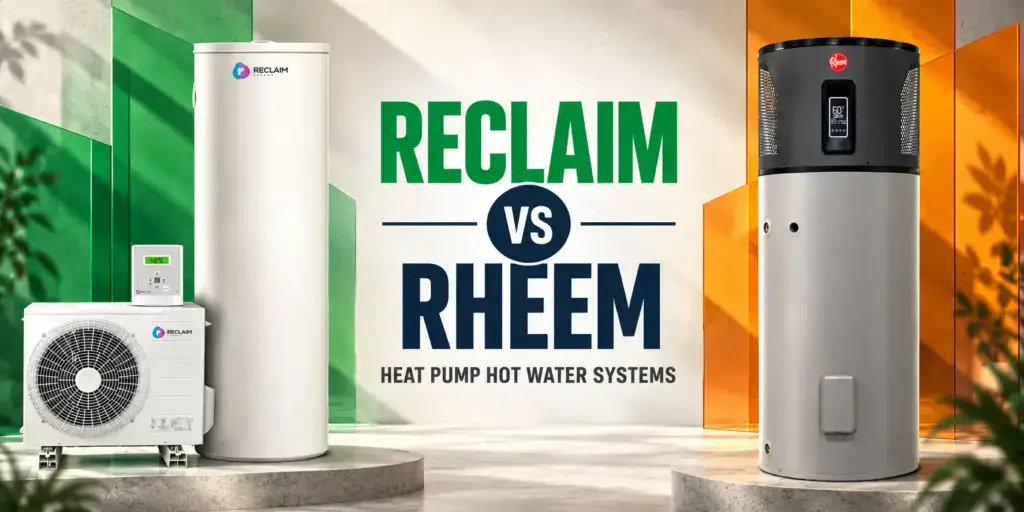
Quick Answer If you are choosing between Reclaim and Rheem, the better option depends on what matters most to you. […]
Quick Overview If you are a commercial property owner, facility manager, or business operator in Australia and plan to install […]



Our energy efficiency experts are here to answer all your questions and guide you through the products, rebates, and installation process.

Upgrade now and pay later with the Home Energy Saver Program!